Oral and maxillofacial surgery
Providers publishing information about this clinical service.
Sector Summary & Scope
This report covers our global network of accredited hospitals specializing in Oral and maxillofacial surgery. We have identified 36 leading providers that meet international clinical protocols, offer bilingual coordinators, and deliver premium inpatient accommodations.
Accredited Network Providers
ALBUSDENT
Kraków, Poland
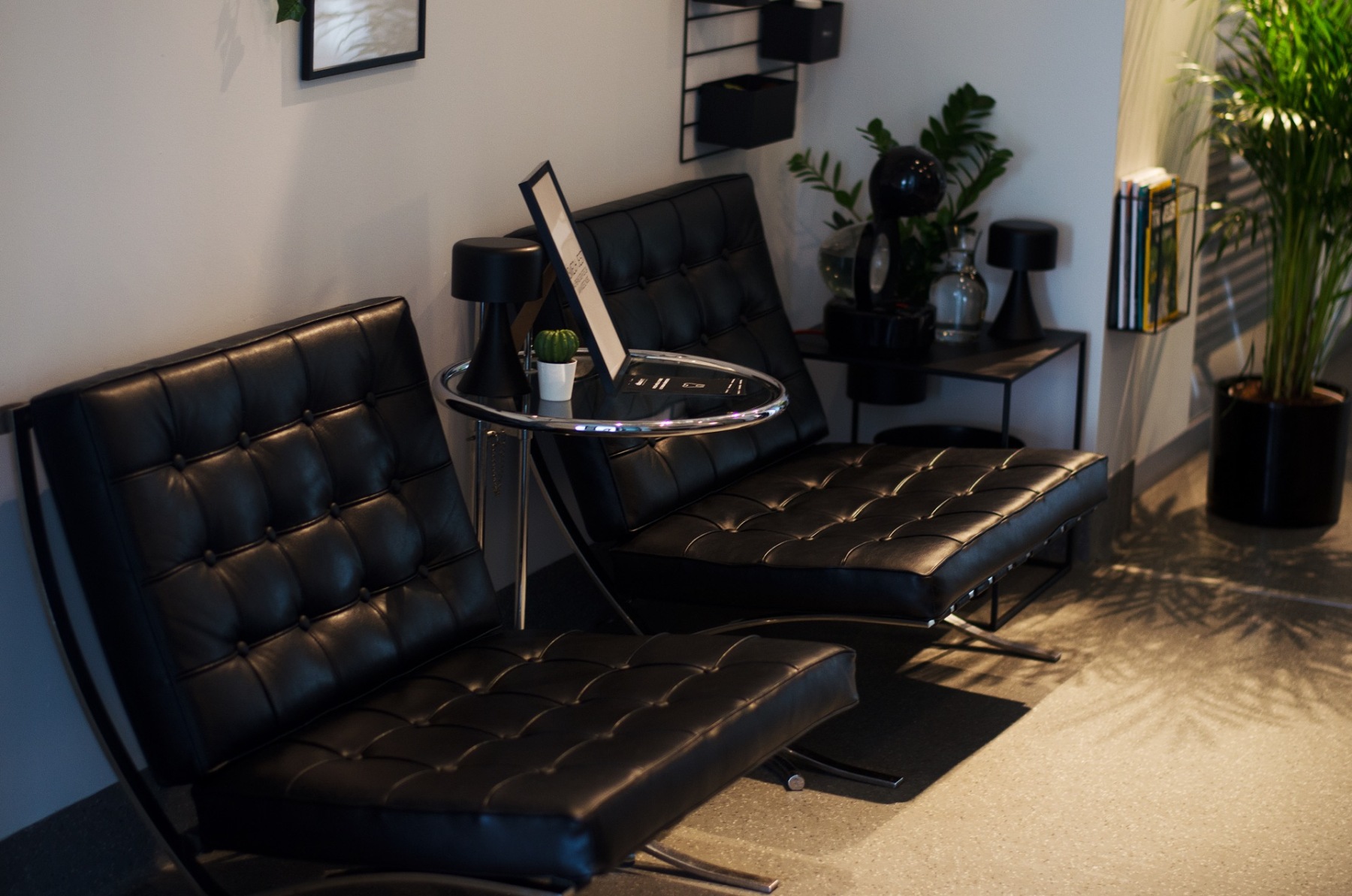
ALBUSDENT is an outpatient dental centre on Balicka Street in Kraków's Bronowice area. The institution dates its establishment to 2009 and presents care for children and adults at the identified local practice. Its service directory includes conservative and aesthetic dentistry, prevention, oral surgery, endodontics, prosthodontics, periodontics, implants and orthodontics. The clinical scope is therefore broader than a single restorative procedure, with consultations used to connect diagnosis, treatment alternatives and the patient's longer-term oral health needs. The official team page lists twelve named dentists, followed by separate sections for hygiene, physiotherapy and administration. Those supporting roles are not added to the dentist count. The roster is a public presentation rather than a dated workforce audit, and an individual clinician's availability should be confirmed through reception. The website also describes communication with patients who speak languages other than Polish, asking them to identify their language needs when making contact rather than promising that every dentist speaks every language. Prosthodontic information covers crowns, veneers, inlays and onlays, bridges and removable dentures. The clinic discusses both the appearance of a restoration and its relationship with chewing and the bite. Follow-up includes checking the restoration, gums and remaining teeth, with hygiene and adjustment where needed. Full-ceramic materials and the presence of a prosthodontic service do not establish a CEREC manufacturing chain. The reviewed official pages do not identify an intraoral impression scanner, CEREC design system or a named local milling unit, so same-visit digital manufacture is not claimed. Documented equipment-related services include microscope-assisted root-canal treatment and dental radiography, with the tariff distinguishing small intraoral images, panoramic imaging and a one-arch computed-tomography examination. Laser dentistry has a separate service page. These tools serve different clinical tasks; they are not grouped under a generic CEREC label. Prevention includes professional cleaning and a separately priced Guided Biofilm Therapy protocol. Whitening information distinguishes individual trays, a Beyond lamp and the Prevdent approach rather than describing all whitening as an identical procedure. Children's care has its own first-visit assessment and adaptation appointment, fillings, prevention and extraction entries. The tariff also identifies local anaesthesia, The Wand and nitrous-oxide sedation as separate items with their own scope. Orthodontic options include removable and fixed appliances and ClearCorrect aligners. Oral surgery and implant placement appear in the same published service list, while dental physiotherapy is represented by a separate practitioner. The intended treatment plan determines which of these services needs to be combined. The online tariff states that it has applied since 28 March 2024 and that figures are informational, with the final amount following examination and any additional diagnostics. Listed examples include a specialist consultation at 260 Polish złoty, a full-ceramic crown at 2,650 and implant placement from 3,200. These published figures retain their source date and scope rather than being represented as a newly issued fixed quotation. Official contact hours are weekdays from ten in the morning until six in the evening, with telephone and online appointment channels.
Acıbadem Altunizade Hospital
Istanbul, Turkey
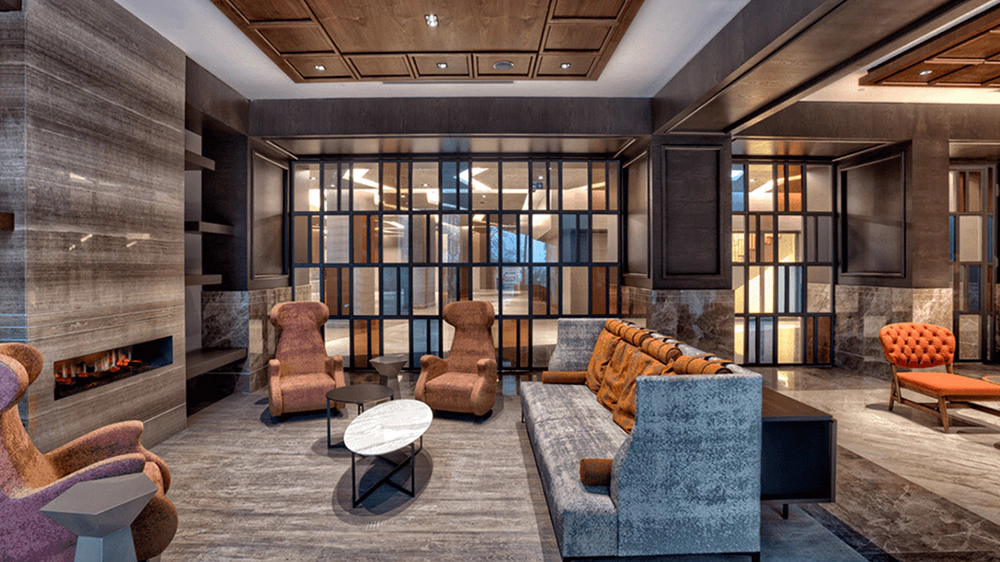
Acıbadem Altunizade Hospital is a multidisciplinary institution in Istanbul's Üsküdar district, on the Asian side of the city. It opened in March 2017 as part of the Acıbadem healthcare group. The hospital's own Turkish-language overview reports 350 beds, including seventy-five intensive-care beds, within 98,000 square metres of enclosed space. Intensive care is divided into neonatal, paediatric, coronary, cardiovascular-surgical and general units. These figures describe the Altunizade institution rather than the combined capacity of the group's other hospitals and clinics. The local overview identifies oncology, neurosurgery, cellular therapies, robotic surgery, bone-marrow transplantation, cardiac care, spine care, breast services, dentistry and rehabilitation. Cancer care combines surgical, medical and radiation-oncology assessment. Imaging and treatment equipment named for this hospital includes PET-CT, SPECT-CT, three-tesla MRI, Tomotherapy and Gamma Knife Icon. The institution also describes a hybrid operating environment connecting advanced imaging with surgery. The clinical plan determines which technology is relevant; the equipment list alone does not establish suitability for every diagnosis. International enquiries are organised through the group's patient centre. Its stated process begins with medical reports and a description of the problem, followed by specialist review, a proposed plan and an itemised written estimate. The coordinator can help identify the appropriate hospital and department before travel. This distinction matters in a large network: a technique or clinician available elsewhere in the group is not automatically located at Altunizade, and the final appointment should identify the actual treating institution and team. The international service description includes assistance with visa letters, transfers, nearby accommodation, interpretation and insurance or billing questions. These are coordination services whose inclusion can be agreed with the treatment proposal, rather than an assumption that every associated travel cost is covered. It also describes discharge documentation and remote follow-up after the patient returns home. Establishing the local recovery period, review dates and the contact responsible for later questions connects hospital treatment with the practical continuity of care across countries. Acıbadem's official preparation guide asks patients to collect prior investigation results, imaging and relevant medical history. It also recommends bringing a list of regular medicines, including non-prescription and herbal products, and checking insurance coverage for the intended clinician as well as the hospital. Preparing questions before the visit and arranging an accompanying person where necessary are part of the same checklist. These instructions explain how an existing diagnostic record can be brought into the consultation instead of treating the appointment as an isolated procedure purchase. The appointment guide allows selection of the hospital, department, date and available time through the official booking pathway. The hospital also publishes direct contact details and a price-enquiry channel. A universal fixed treatment tariff was not established by the reviewed sources, and group-wide physician totals are not assigned to this one campus. The profile therefore preserves verified clinical capacity while leaving unpublished building and physician counts explicit, with individual treatment costs confirmed in writing after assessment.
Ajapnyak Medical Center — Dental Clinic
Yerevan, Armenia
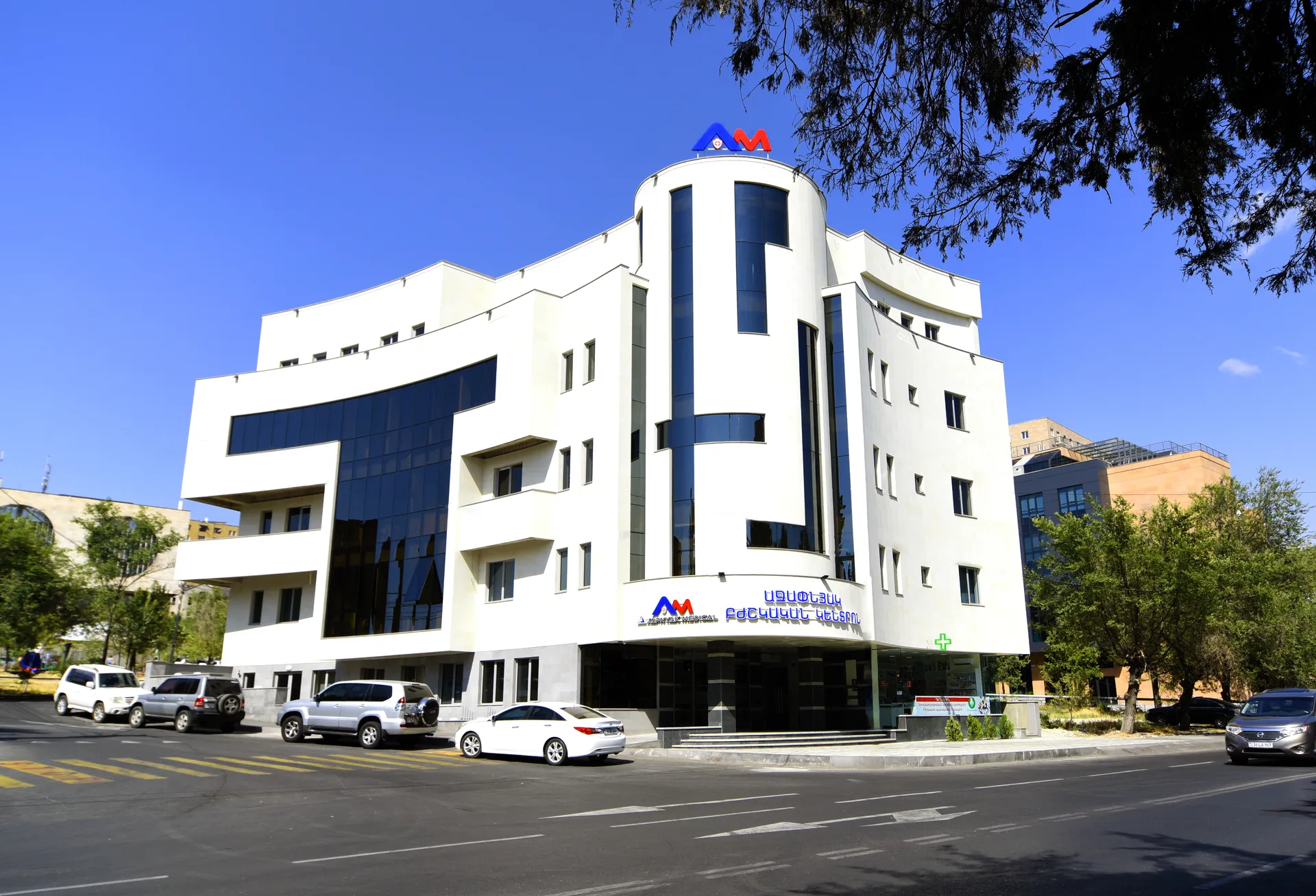
Ajapnyak's dental clinic is part of Ajapnyak Medical Center in Yerevan, at the institution's published Abelian street address. The medical center provides a broad range of outpatient diagnostic and specialist services, while the dental department has its own clinical description and named practitioners. This profile concerns that dental service rather than assigning every medical-center department, inpatient facility or staff member to the dental clinic. Patients can confirm the receiving unit and appointment details through the institution's direct contact channels. The dental department explicitly describes an integrated digital CAD/CAM laboratory for producing zirconia structures. Its official information advertises manufacture within one day for suitable work. A separate laboratory page discusses virtual modelling, computer-assisted checking and production of the proposed structure. These are institutional descriptions of a digital manufacturing service. The reviewed pages do not name Sirona CEREC, a particular scanner or a milling-unit model, so the confirmed CAD/CAM capability is kept distinct from an unsupported brand-specific equipment claim. The clinical scope runs from pediatric dentistry to dental implantation and oral and maxillofacial surgery. Restorative and prosthodontic responsibilities appear in the named team directory, alongside therapeutic dentistry and children's care. The published dental page names Lenka Misakyan, Samvel Vardanyan, Arsen Nersisyan, Hermine Kurghinyan, Liana Hakobyan and Lusine Stepanyan with their stated roles. Those listings show the disciplines represented in the public directory; they should not be interpreted as an audited count of every dentist employed by the wider medical organisation. Implantology is presented alongside access to the dental laboratory and supporting diagnostic facilities. The department describes using a patient's own blood-derived preparations in selected surgical work and links that process with the medical center's laboratory services. This documents a stated treatment approach, rather than demonstrating superior outcomes or establishing that the preparation is appropriate for every implantation. The responsible clinician determines the proposed surgical and prosthetic stages after assessing the individual case. The institutional information also describes instrument disinfection and sterilisation arrangements. Those processes form part of the organisation's published clinical infrastructure, while the digital laboratory focuses on designing and making dental constructions. Neither laboratory equipment nor outpatient sterilisation establishes that the dental department operates its own hospital intensive-care unit or inpatient beds. Capacity and staffing information therefore need to be confirmed at the appropriate institutional level rather than inferred from photographs of the wider medical center. Ajapnyak publishes separate departmental pages, contact numbers, an address and appointment hours, making it possible to direct enquiries to dentistry or the technical laboratory. Patients considering treatment can request a written proposal identifying the treating dentist, diagnostic investigations, material, manufacturing route and anticipated visits. Where rapid laboratory production is offered, the full timetable should still account for clinical preparation, any surgical healing and the final prosthetic stage. A complete price depends on that individual plan and should be confirmed directly with the institution before treatment or travel is arranged.

Avanta Medical Center · Dentistry
Yerevan, Armenia
Avanta combines modern dentistry with aesthetic medicine and plastic surgery at its Heratsi branch in Yerevan. Its official tariff separates implant placement, oral surgery and other dental procedures, while its implant information emphasizes coordination between the surgeon, restorative dentist, technician and hygienist. Avanta’s official branch information identifies its Heratsi location in Yerevan, with modern dentistry, aesthetic medicine and plastic surgery organized as separate service areas. Each has a distinct contact extension and published hours. This profile concerns that local clinical organization rather than assuming that all three services have identical staffing, procedures or admission arrangements. The dental service operates through both weekday and weekend appointment hours, while plastic surgery and aesthetic medicine have their own schedules. These published differences are part of the provider’s organization. Extended appointment hours are not presented as evidence of a continuously operating general emergency department or an intensive-care unit. The dental tariff separates implantation, oral surgery and other procedures. Its implant information describes cooperation between the surgeon, restorative dentist, dental technician and hygienist. That team structure connects preparation, placement and restoration, while the role of each professional remains distinct. A technician or hygienist is not counted as an additional physician in the key facts. Implant placement is treated as one component of a broader restorative pathway. The clinic’s official financial information identifies individual services, making it important to distinguish a fixture from an abutment, crown or complete reconstruction. The price shown for a named implant service is therefore not used as the total for any possible dental treatment or as a hospital-wide starting charge. Aesthetic medicine and plastic surgery appear alongside dentistry in the official directory but remain separate clinical categories. Their inclusion establishes the provider’s stated scope and contact organization, not a universal indication for an appearance-related procedure. The profile does not convert promotional language about modern methods into comparative evidence of safety or treatment effectiveness. The branch and contact pages give the Heratsi address, telephone and electronic enquiry routes. They support a verified Yerevan location and a documented organization of dental, aesthetic and surgical services. They do not provide a sufficiently clear current count of buildings, inpatient beds or all clinical doctors, so those figures are not derived from the number of departments or telephone extensions. The official tariff remains linked for checking the exact service and its financial scope, with individualized treatment estimates kept separate from the published component prices. The institution reports the following clinical and infrastructure information: outpatient care: Yes. The scope and reporting period remain those of the linked institutional sources. The provider publishes these named service prices: Dental implantation: from 132000 AMD. Starting price for implantation; the chosen system and final restoration require a complete written estimate.
BJB Stomatologia Estetyczna
Kraków, Poland
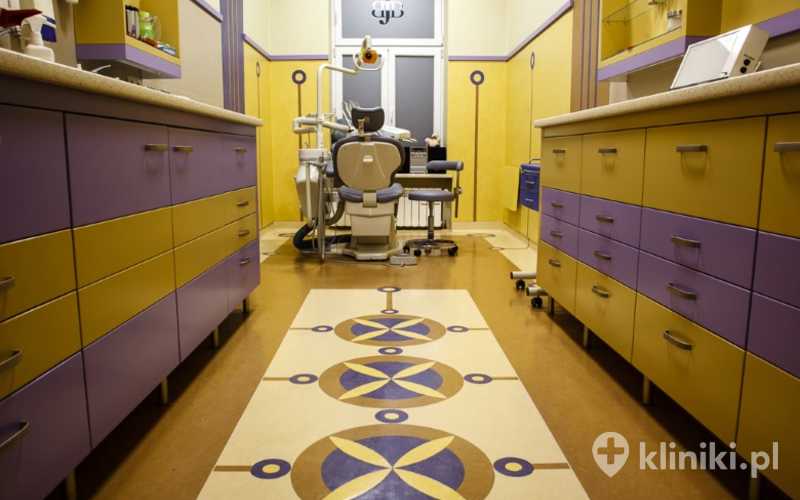
BJB Stomatologia Estetyczna is a Kraków dental practice whose official history dates its foundation to 1991 by Barbara Borowska-Jachym and Robert Jachym. The institution publishes the Lubicz street address and also mentions a branch in Nowa Huta. Its service presentation combines aesthetic and restorative dentistry with implantology, surgery, endodontics, orthodontics, children's care and professional hygiene. This profile uses the published Lubicz tariff and does not assume identical equipment or appointment arrangements at every branch. CEREC is directly documented on a dedicated service page. The practice describes intraoral scanning, computer-assisted design, a CEREC milling unit on site and immediate fitting and cementation of suitable restorations. Crowns, veneers and bridges are included in the introduction, with material choice discussed as part of planning. The reviewed source does not name the scanner generation, mill model or furnace. It therefore establishes a complete local restorative workflow without supporting a guessed Primescan or Primemill configuration. The manufacturing description explains that the prepared tooth is scanned to produce a virtual model. The restoration is designed with attention to the bite and contact points before the approved file goes to the milling unit. The final construction is checked clinically before cementation. The clinic advertises completion in one appointment for suitable work, but that manufacturing timetable is not extended to implant healing, active periodontal problems or every course of extensive reconstruction. Those parts of a proposal require their own clinical assessment. The official tariff distinguishes CEREC restorations made with Cerasmart, Empress and e.max rather than giving a single material-independent crown price. It also separately lists zirconia restorations, temporary PMMA crowns, implant components and removable implant-retained dentures. Cerasmart is retained as a named material option rather than being relabelled as identical to the ceramic alternatives. This separation helps patients compare the actual proposed construction, laboratory or chairside stages and any supporting components. Other service pages describe microscope-assisted root-canal treatment, implant placement and surgical preparation, including sinus-related procedures. Children's dentistry, orthodontics, composite fillings, tooth-shape changes and hygiene form additional parts of the directory. The public team page distinguishes six named dental clinicians from hygienists, assistants, reception and management. That is a clinical roster, not an audited staffing total, and the presence of founders in a management section is not used to inflate the number of currently listed treating dentists. Prices are published in Polish złoty with separate items for consultation, diagnosis, anaesthesia and different treatment stages. The tariff notes exclusions for some endodontic options and conditions for its loyalty-card discounts, so those discounts are not applied automatically to every visitor. Patients can contact the Lubicz practice for a written plan naming the material, CEREC route, clinician, preparation and review visits. Confirming the intended branch and complete scope is particularly useful when arranging travel around a rapid restoration rather than a single isolated advertised fee.
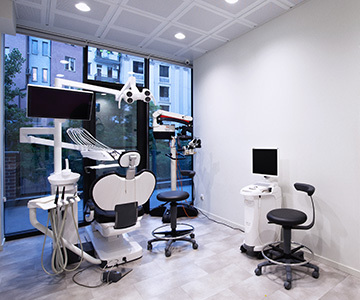
Blits Dental — Kakhaber Kharebava Clinic
Tbilisi, Georgia
Blits Dental, also presented as Kakhaber Kharebava Clinic, is a multidisciplinary dental provider in Tbilisi. The official service directory covers conservative dentistry, prosthodontics, orthodontics, periodontology, implantology, gnathology and pediatric dentistry. It also identifies computed tomography and dentistry under anesthesia. This combination places the organisation's digital restorative work within a broader clinical service that includes diagnosis, treatment of existing teeth, replacement of missing teeth and assessment of the bite. The organisation describes itself as a regional strategic partner of Dentsply Sirona. More specifically, its laboratory page names equipment and software used for computer-aided design and manufacture. The published list includes inLab MC X5 and inLab MC XL milling systems, an inEos X5 laboratory scanner, an inFire HTC Speed sintering furnace and a VITA Vacumat ceramic furnace. The software list includes inLab CAD and exocad. These are documented laboratory capabilities rather than an assumption that every scanner belongs to a complete chairside CEREC installation. Blits Lab lists ceramic veneers and crowns, full-contour zirconia crowns, zirconia and metal frameworks, temporary crowns, inlays, onlays and digital wax-up among its products. Its stated typical manufacturing period for most laboratory work is 4–5 working days. The laboratory description therefore provides a useful distinction between a digital production process and a universal promise of delivery during one appointment. The homepage separately promotes an Enamic restorative offering; patients should ask which manufacturing route and timetable apply to the restoration proposed for their case. The medical team directory identifies Kakhaber Kharebava as medical manager with prosthodontic and implantology responsibilities. The published list also includes prosthodontists, orthodontists, periodontists, endodontists, therapeutic dentists, a pediatric dentist, implant surgeons and oral and maxillofacial surgeons. Named clinicians include Zurab Kurdiani in implant surgery and Lia Mania in pediatric care. Supporting the digital laboratory with several clinical disciplines allows the stated service menu to address preparation and maintenance as well as manufacture of the final restoration. A separate official page describes collaboration with American Hospital Tbilisi for oral rehabilitation under general anesthesia. The listed areas include implantation, therapeutic dentistry and pediatric therapeutic care. This is a service delivered in cooperation with a hospital; it should be discussed with the team as a specific treatment pathway. It does not establish that the dental clinic itself has hospital intensive-care beds or that every restorative case requires general anesthesia. The practice publishes direct telephone and appointment channels, with weekday and weekend opening information. Its explanation of caries treatment states that the accurate cost follows consultation and diagnosis, depending on the condition of the tooth and procedures required. Patients can therefore request a written plan identifying the clinical stages, laboratory work, restoration material, expected visits and individual charge. The official clinical and laboratory pages provide complementary information for comparing both the care team and the manufacturing process.
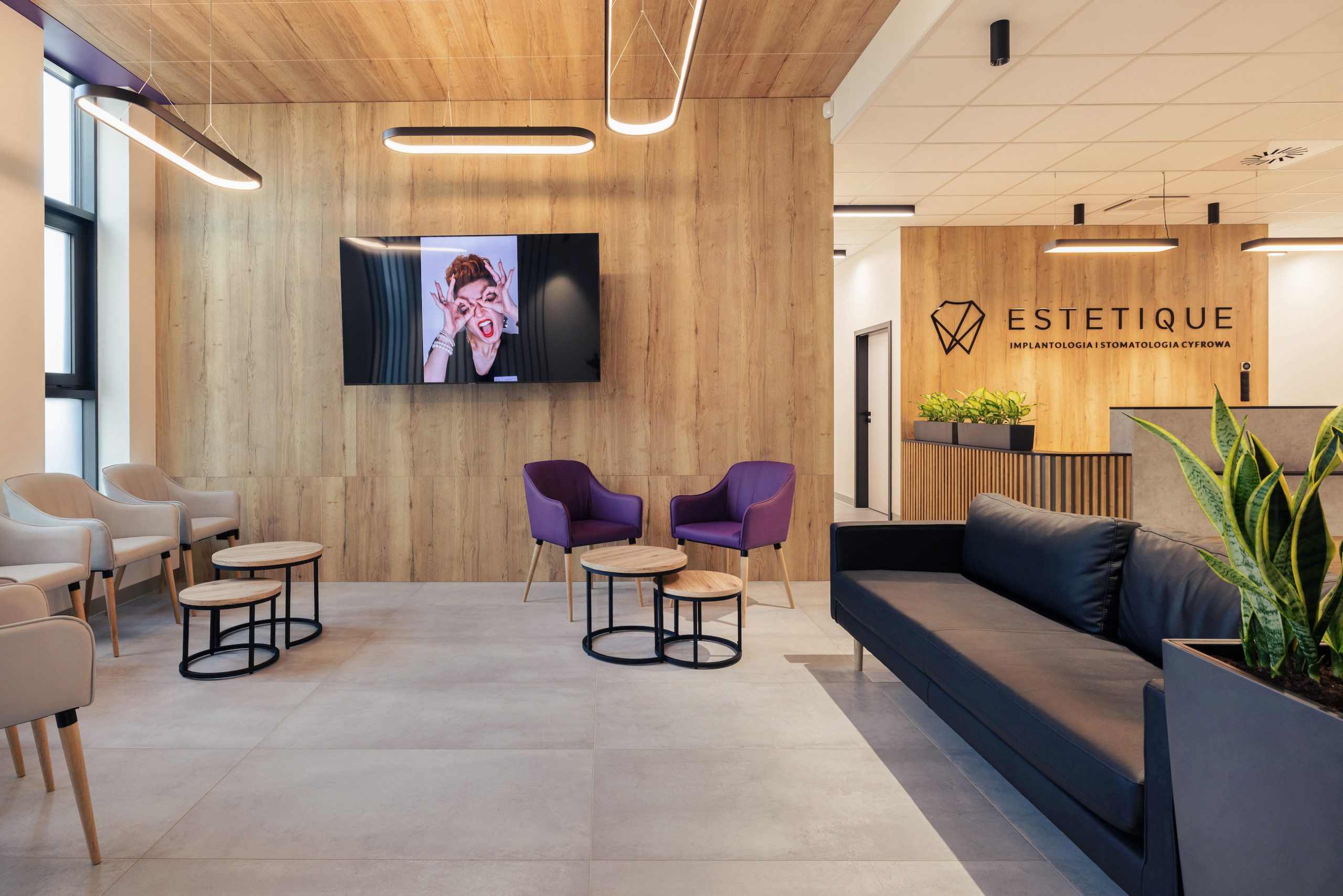
Centrum Estetique
Wrocław / Lower Silesia, Poland
Centrum Estetique is a Lower Silesian dental organisation with official locations in Wrocław, Bielany Wrocławskie and Polanica-Zdrój. Its institutional history dates the first centre in Polanica-Zdrój to 2013, founded by dentist Paweł Szuba-Paszkiewicz. The profile covers the named network and keeps branch-specific information explicit. Three addresses do not by themselves establish a three-building clinical capacity, and equipment or clinicians listed for the organisation are not assumed to be duplicated at every site. The official laboratory description provides unusually specific evidence for digital manufacturing. Estetique states that it owns a prosthetic laboratory equipped with a CORiTEC 350i Loader Plus milling machine. The same page describes three-dimensional printing for diagnostic models and surgical guides and porcelain firing for final characterisation. That supports an owned laboratory CAD/CAM pathway and identifies a concrete alternative to chairside CEREC. The source does not state that every restoration is completed during one appointment, so laboratory coordination is not converted into a universal same-day promise. The technology directory names DEXIS IS 3800, Medit and Shining 3D intraoral scanning systems, along with a CS9600 computed-tomography unit. MODJAW is described for recording and analysing jaw movement, linking restorative and orthodontic planning with functional assessment. The directory also identifies Zeiss and Zumax microscopes, VDW Gold endodontic equipment and an AIRFLOW hygiene system. These are distinct diagnostic, planning, treatment and preventive tools. They are not all called CEREC, and promotional claims of guaranteed comfort or treatment success are not reproduced as clinical outcomes. The clinical service presentation includes implants, prosthodontics, conservative dentistry, endodontics, oral surgery, orthodontics, periodontics, children's dentistry and preventive care. The network-wide public roster contains forty named dental clinical profiles before the separate physiotherapy and support sections. This is not a claim that forty dentists work at the Wrocław branch at the same time. The published biographies distinguish digital prosthodontic planning, surgical or implant work, orthodontics, periodontal care and paediatric or conservative treatment, allowing the intended department and appointment location to be clarified. The laboratory's stated position within the care process allows direct communication between dentist and technician about design and adjustments. Clinical planning still begins with examination and diagnosis, followed by treatment and review rather than manufacturing alone. The Safe Implant Concept consultation is priced separately from the scans and computed tomography needed for an individual case. This distinction keeps a named consultation pathway from being mistaken for an all-inclusive implant, surgery and final crown package. Estetique publishes separate tariffs for its locations. The examples in this profile use the Wrocław tariff: implant placement from 3,750 Polish złoty, full-ceramic veneers from 2,450 and a professional hygiene visit at 420. The source describes prices as informational and notes that branch and treatment complexity affect the final amount. The written plan should therefore confirm the actual location, clinician, investigations, materials and laboratory stages, connecting the documented digital equipment with the complete clinical and financial proposal.
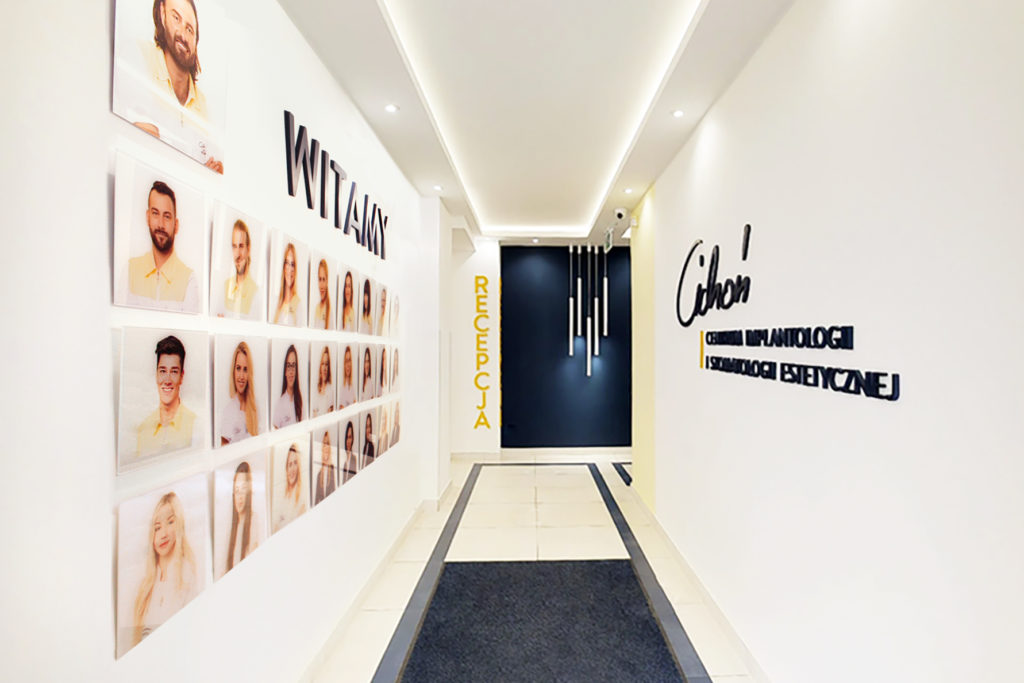
Centrum Implantologii i Stomatologii Estetycznej Cichoń
Kraków, Poland
Cichoń Implantology and Aesthetic Dentistry Centre is based on Borelowskiego-Lelewela Street in Kraków. Its official history begins with Bartosz Cichoń's first dental office in 2003 and describes the later development of a multidisciplinary centre. The institution reports eight dental treatment rooms and two radiology facilities. These are rooms and diagnostic services, not eight buildings or a count of hospital beds. The clinical directory includes implants, implant-supported restorations, prosthodontics, orthodontics, periodontics, conservative dentistry, endodontics, oral surgery and treatment for children. The official equipment inventory documents an intraoral three-dimensional scanner, dental computed tomography, panoramic imaging and X-Guide implant navigation. It also names the Zebris JMA Optic jaw-movement system, an endodontic microscope, piezosurgery and a SMART M ST dental laser. These tools have different functions, from diagnosis and functional analysis to surgery and root-canal treatment. Their inclusion establishes the institution's stated equipment offering without converting every digital device into a CEREC manufacturing component. The prosthodontic department explicitly states that restorations are made in cooperation with partner laboratories. Its options include veneers, ceramic or metal-ceramic crowns, bridges, removable dentures and implant-supported work. The reviewed official pages support intraoral scanning and Digital Smile Design, but do not identify a complete local CEREC scan-design-mill chain or a named clinic-owned milling machine. CAD/CAM manufacture and a definitive crown during one visit are therefore left unconfirmed. A digital preview concerns treatment planning, while the actual material, preparation, laboratory stages and fitting schedule are agreed for the individual restoration. The centre describes joint planning involving implantology, prosthodontics, orthodontics, endodontics and periodontal care. Its public team page currently contains twelve named dentists and two anaesthesiology doctors, followed by hygiene, assisting and administrative staff. This named roster is more specific than the older institutional statement of over thirty people, which includes non-physician roles. Anaesthesia and sedation support is not presented as proof of an inpatient intensive-care unit. The doctor count is not a claim that every listed clinician is present simultaneously. The published tariff was last updated on 16 March 2026 and primarily gives consultation and planning prices. Implant consultation without a treatment plan is 250 Polish złoty, while comprehensive planning with a plan is 300. Prosthodontic, endodontic and periodontal consultations are separately listed. Imaging has conditional starting charges when performed in connection with consultations. The website states that the detailed tariff is available at reception, so this profile does not invent a public implant, crown or full-arch package amount from an old promotion or another practice. The centre publishes weekday opening hours and several telephone contact routes, alongside an English-language site and dental-tourism information. A visitor can arrange the intended specialist appointment and establish which scans or records are needed before travel. The published care pathways distinguish preparation, surgical treatment, restoration and ongoing hygiene. Confirming the written plan, laboratory turnaround and review visits is particularly relevant for treatment involving implants or several dental disciplines, where a digital workflow does not remove clinical healing time or the need for later assessment.
Charité Berlin
Berlin, Germany
Charité is Berlin's university medical institution, linking patient care, research and education across four campuses. Its centers encompass a broad range of clinical and scientific disciplines; annual reporting separates hospital activity from the wider group and identifies physicians and researchers as a combined category. The institution's annual accounts describe more than one hundred clinics and institutes working across four campuses. Clinical treatment, biomedical investigation and medical education are presented as connected activities of the same university institution. The campus count is an organizational and geographical description; it is not a statement that Charité consists of four individual buildings. Charité's annual reporting distinguishes the university hospital from the wider consolidated group. It also separates inpatient and day-case activity from outpatient cases. The 2024 report records 143,759 inpatient and day-case patients and 822,547 outpatient cases. These measures describe different care settings and reporting definitions, so they are not combined into a claim about the number of unique people treated. The planned bed figure is linked to Berlin's hospital planning arrangements rather than to a live count of vacant places. The workforce tables also require attention to their categories. Charité reports nursing staff separately from the combined scientific and medical category. The latter includes both physicians and researchers and therefore does not provide a stand-alone count of practising doctors. This is why the profile preserves an explicit distinction between a verified workforce category and the doctor field requested in the clinical facts. The official research portal describes basic biomedical science, patient-oriented investigation, clinical studies and shared infrastructure. It identifies interdisciplinary cooperation and support for translating laboratory questions into clinical research. External research funding is reported through distinct public, academic, foundation, industry and other sources in the annual account, documenting an organized research environment rather than an assumption based solely on the hospital's university name. Clinical departments provide their own patient information and access arrangements. The nephrology and intensive-medicine service is one documented example, linking specialty consultation with the corresponding inpatient and critical-care services. International financial information is likewise department-specific: the published DHZC guidance describes individual estimates after medical review and prepayment arrangements, rather than one treatment price applicable to every Charité clinic. The institution reports the following clinical and infrastructure information: outpatient care: Yes; inpatient beds: 3,293 (Charité including DHZC, 2025.); intensive care / resuscitation: Yes. The scope and reporting period remain those of the linked institutional sources. Charité connects basic biomedical research with patient-oriented clinical research. Its official research portal describes interdisciplinary collaborations, clinical studies, shared research infrastructure and support for translating laboratory findings into clinical questions.
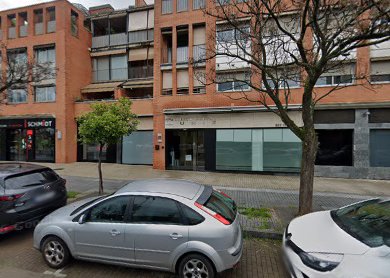
Clínica Dental Curie
Córdoba, Spain
Clínica Dental Curie is a dental practice in Córdoba, with its official address on Marie Curie street. Its clinical directory covers orthodontics, periodontics, endodontics, prosthodontics, dental implants, whitening, aesthetic dentistry and oral surgery. The provider publishes separate explanations of digital smile design and CEREC, allowing the restorative technology to be assessed independently of the clinic's more general statements about modern equipment. Its contact pages give direct appointment channels and working hours for the Córdoba practice. The dedicated CEREC page states that the clinic designs and manufactures dental restorations by computer within its own premises. It describes taking an intraoral scan instead of conventional impressions, planning the final restoration on a computer and producing a provisional component in resin or a definitive component in ceramic. The clinic connects the diagnostic records and computer design with production of the proposed restoration in the same clinical setting. The published description focuses on the restorative sequence; the team can clarify the scanner, milling equipment and material selected for an individual case. Digital smile design is described as a related but distinct planning tool. Curie explains the use of photographs and analysis of facial and dental features to develop a virtual proposal before treatment. Its description connects the digital design with communication among the dentist, the patient and the laboratory, and with transfer into three-dimensional models. That planning information is not represented as a guarantee of the appearance of a completed restoration. It documents how the clinic describes visualising and discussing proposed changes before moving to the clinical and manufacturing stages. Orthodontic care is provided for adults and children. The official orthodontics page names Damon Q and Damon Clear within its passive self-ligating bracket options and identifies Invisalign and Spark among its clear-aligner systems. The clinic describes choosing an individual approach following diagnostic assessment rather than treating the appliance brand as the deciding factor on its own. This range makes the practice relevant to patients considering tooth alignment as well as those seeking ceramic restorations, with orthodontic planning available alongside the practice's separate digital restorative service. The broader restorative menu includes prostheses and implant-supported treatment. Periodontal and endodontic services are listed alongside those options, giving the practice published pathways for management of the supporting tissues and for treatment inside a tooth. Aesthetic dentistry and whitening are separate offerings. CEREC and digital smile design can contribute to appropriate restorative cases, but their presence does not establish that periodontal preparation, orthodontic movement, implant surgery or healing will be completed within the manufacturing appointment. The official material confirms the Córdoba institution and its named digital services without supplying an audited clinician total, inpatient capacity or hospital building count. These figures are not inferred from photographs or from the length of the treatment directory. Likewise, the reviewed pages do not establish one complete price for every proposed course of care. Patients can request an individual quotation that identifies the proposed procedures and materials. Appointment duration and single-visit availability depend on the particular restoration, diagnostic findings and preparation required before manufacture.
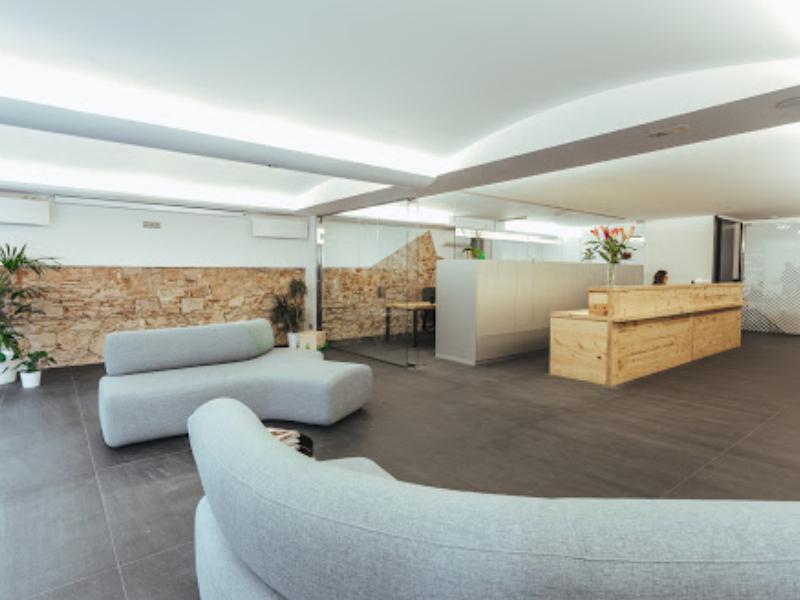
Clínica Dental Friedländer
Barcelona, Spain
Clínica Dental Friedländer is a multidisciplinary dental practice in Barcelona's Gràcia district, with its published address on Gran de Gràcia street. The official service menu covers orthodontics, aesthetic dentistry, implantology, periodontology, pediatric dentistry, prosthodontics, oral surgery and endodontics. Its public presentation emphasises coordination among different dental disciplines, allowing a restorative proposal to be considered together with the condition of the teeth, supporting tissues and bite rather than as a stand-alone cosmetic purchase. Digital prosthodontics is described on a dedicated official page. The clinic states that restorations are designed and milled on its premises using CEREC CAD/CAM. Its published examples include crowns, bridges and ceramic inlays, with single-visit manufacture advertised for suitable cases. This is direct documentation of a local restorative manufacturing process. The reviewed page does not name every scanner, milling unit and furnace model, so the confirmed CEREC service is distinguished from an assumed configuration of particular hardware generations. The prosthodontic unit identifies Andrés De La Nuez and Ricardo Díez Deustua among its responsible clinicians. It describes diagnostic work using digital scans, computed tomography and magnification, followed by restoration planning adapted to the clinical findings. The listed options include ceramic and zirconia crowns, tooth-supported bridges, implant-supported prostheses and removable dentures. Those options differ in preparation and treatment stages; the presence of in-house milling does not establish that every implant reconstruction or full-mouth treatment is completed within one visit. Orthodontics is another substantial part of the official clinical directory. The practice publishes separate information about fixed brackets, transparent aligners, lingual treatment, children's orthodontics and surgical orthodontics. This provides several routes for assessing tooth position and jaw relationships, with the proposed method selected through consultation. Periodontal and endodontic services complement that work by addressing the tissues supporting the teeth and conditions inside a tooth before or alongside restorative treatment. The wider technology presentation includes three-dimensional scanning, cone-beam imaging, printing, dental microscopy and recording of mandibular movement. These systems have different functions: diagnostic imaging and movement records support assessment, while CAD/CAM contributes to restoration design and manufacture. The profile preserves that distinction instead of treating every digital device as evidence of a complete manufacturing chain. Pediatric and oral-surgical services are described separately, broadening the practice beyond the digital crown and veneer treatments highlighted in its restorative pages. The clinic publishes direct appointment channels, contact details and opening hours. Its financial-information page describes an initial assessment, individual budgeting and discussion of payment arrangements rather than one universal price for all courses of care. Patients can request a written proposal specifying the responsible clinician, materials, manufacturing route, expected visits and financial terms. For extensive rehabilitation, the complete timetable should include preparatory treatment, any surgery or healing and subsequent review, in addition to the time needed to produce the proposed restoration.
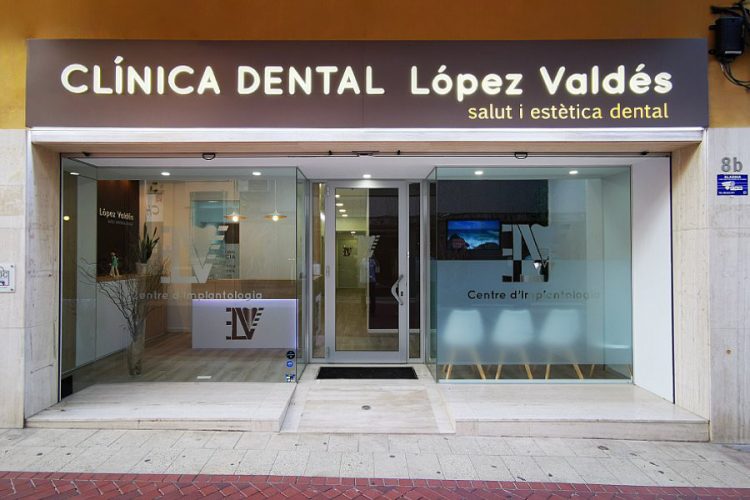
Clínica Dental López Valdés
Gavà, Spain
Clínica Dental López Valdés is an outpatient dental clinic in Gavà, in the Barcelona area, with its official address on Salvador Lluch street. The practice presents a combination of general dentistry, prosthodontics, implantology, orthodontics and oral and maxillofacial surgery. Its website is available in Spanish and Catalan and provides direct appointment channels. The clinic's published introduction emphasises individual assessment of the patient's dental condition and objectives before advising on treatment, rather than offering a uniform restoration package independently of the clinical findings. CEREC is a particularly prominent and specifically described part of the practice's digital dentistry. Its dedicated technology page explains a sequence of intraoral scanning, computer-assisted restoration design, manufacture in a milling unit and ceramic processing when the selected material requires it. The scanning equipment is identified as CEREC Omnicam, a colour camera used to obtain three-dimensional records of the mouth. This is the model documented by the provider; the description relates to the equipment named on the practice's own CEREC page and its documented restorative sequence. The design stage uses CEREC software to propose a restoration for adjustment to the individual case. The clinic then describes making the restoration with an in-house CEREC milling unit. Its finishing-stage information explicitly names the CEREC SpeedFire furnace and distinguishes processing requirements for zirconia and lithium-disilicate materials. The reviewed page does not identify the milling-unit model. Taken together, the information supports a complete chairside restorative workflow while preserving the boundary between confirmed component names and equipment specifications that the clinic has not published. The practice advertises restoration in one session for suitable cases and uses a single-unit restoration to illustrate that approach. This statement is recorded as a clinic offering, not as a guarantee covering all patients or all prostheses. The same official materials describe dental implants and explain their role in supporting a replacement crown or bridge. Implant surgery, any healing period and production of the definitive restoration are separate clinical stages; the presence of CEREC does not establish that an entire implant treatment can always be completed within the restorative appointment. The wider treatment directory includes fixed and removable prostheses, aesthetic dentistry, periodontal care, endodontics, hygiene and prevention. Orthodontic services include conventional treatment and Invisalign transparent aligners. The clinic also lists management of the temporomandibular joint and bruxism among its areas of work. Its oral and maxillofacial surgery presentation mentions three-dimensional diagnostic imaging and implantology, linking the restorative service with surgical and diagnostic capabilities rather than limiting the profile to the manufacture of ceramic pieces. Official contact information identifies the Gavà premises, telephone, email and appointment hours. The legal notice identifies the company operating the website at the same address, helping distinguish the institution from similarly named providers elsewhere. Public treatment pages invite patients to request information and an individual budget; they do not establish one all-inclusive price for every intervention. The practice's written proposal can identify the treatment scope, materials, timing and final charge. Patients can discuss the named technologies alongside their diagnostic findings and compare the stages required for the restoration being considered.
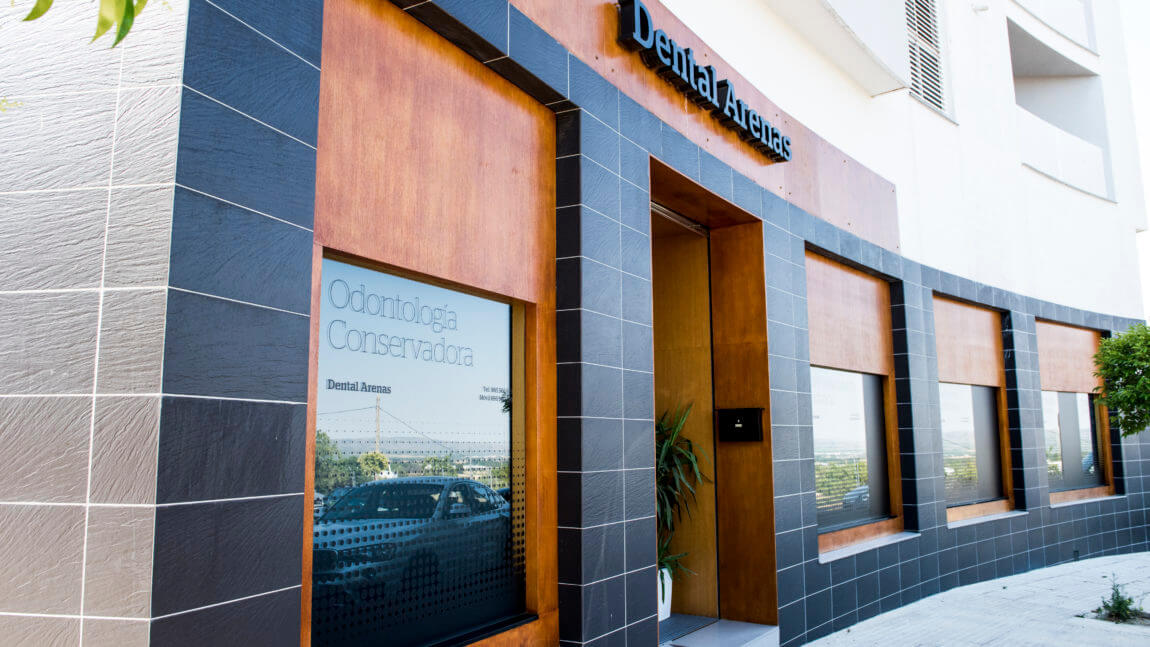
Dental Arenas
Villena & Banyeres de Mariola, Spain
Dental Arenas is a dental organisation with practices in Villena and Banyeres de Mariola, both in Alicante province. Its official pages publish separate addresses and telephone numbers for the two locations. The institutional description presents a longstanding clinical practice and a team covering several branches of dentistry. The common website presents the organisation's clinical services and technology. Patients can use the individual contact details to confirm which location provides the proposed restorative work and how the diagnostic and treatment appointments will be arranged. The official CEREC page provides direct evidence of chairside CAD/CAM restoration. Dental Arenas describes capturing the teeth with an intraoral camera, designing a restoration with three-dimensional software and using milling equipment to make the ceramic component in the clinic. Its explanation explicitly distinguishes that approach from sending the restoration to an external laboratory. The page advertises suitable aesthetic restorations in a single session. It does not name the scanner, milling machine or furnace models, so the record confirms the published CEREC workflow without inventing a particular generation of Sirona hardware. Oral rehabilitation and prosthodontics are part of the broader service menu. The organisation describes restoring chewing function and appearance after tooth loss or substantial damage to existing teeth. Implant treatment and oral surgery are listed alongside ceramic restorations, while conservative dentistry addresses preservation of the patient's own dental tissues. Digital manufacture is therefore represented as one component of an overall restorative service, rather than evidence that surgical preparation, implant healing and every stage of complex rehabilitation all take place during one visit. The official technology section also includes dental radiology, an operating microscope and nitrous oxide sedation. Microscopic endodontics appears separately in the treatment directory, connecting magnification with work inside the tooth. The published preventive services include professional hygiene and conservative care. Periodontics, pediatric dentistry and oral medicine extend the practice beyond aesthetic procedures. The directory also lists dental approaches to snoring and sleep apnea, which are recorded as a stated service area without suggesting that a dental appliance is appropriate for every sleep-related condition. Orthodontic options cover conventional appliances and transparent aligners. Aesthetic dentistry and whitening are listed in addition to the restoration service. The public team directory names Regino Arenas Dalla-Vecchia as the coordinating clinician and lists Laura Arenas, Clara Arenas, Regino Arenas Seguí, Etna Verdú and Elías Verdú among the dentists and stomatologists. Hygienists, dental assistants, reception and administrative personnel are identified in distinct roles. The resulting clinician figure refers to names listed for the organisation, not an audited staffing total at one location. Dental Arenas publishes appointment hours and direct contact details for each practice. The two addresses establish two clinical locations; they do not establish the number of buildings occupied or the presence of inpatient facilities. The reviewed pages describe treatment options and invite further enquiries without providing a single price covering an individual rehabilitation. Patients can request an individual quotation and confirm the branch, restoration materials, manufacturing sequence and expected appointments within the proposed treatment plan. The two practices publish their own contact channels for arranging that discussion.
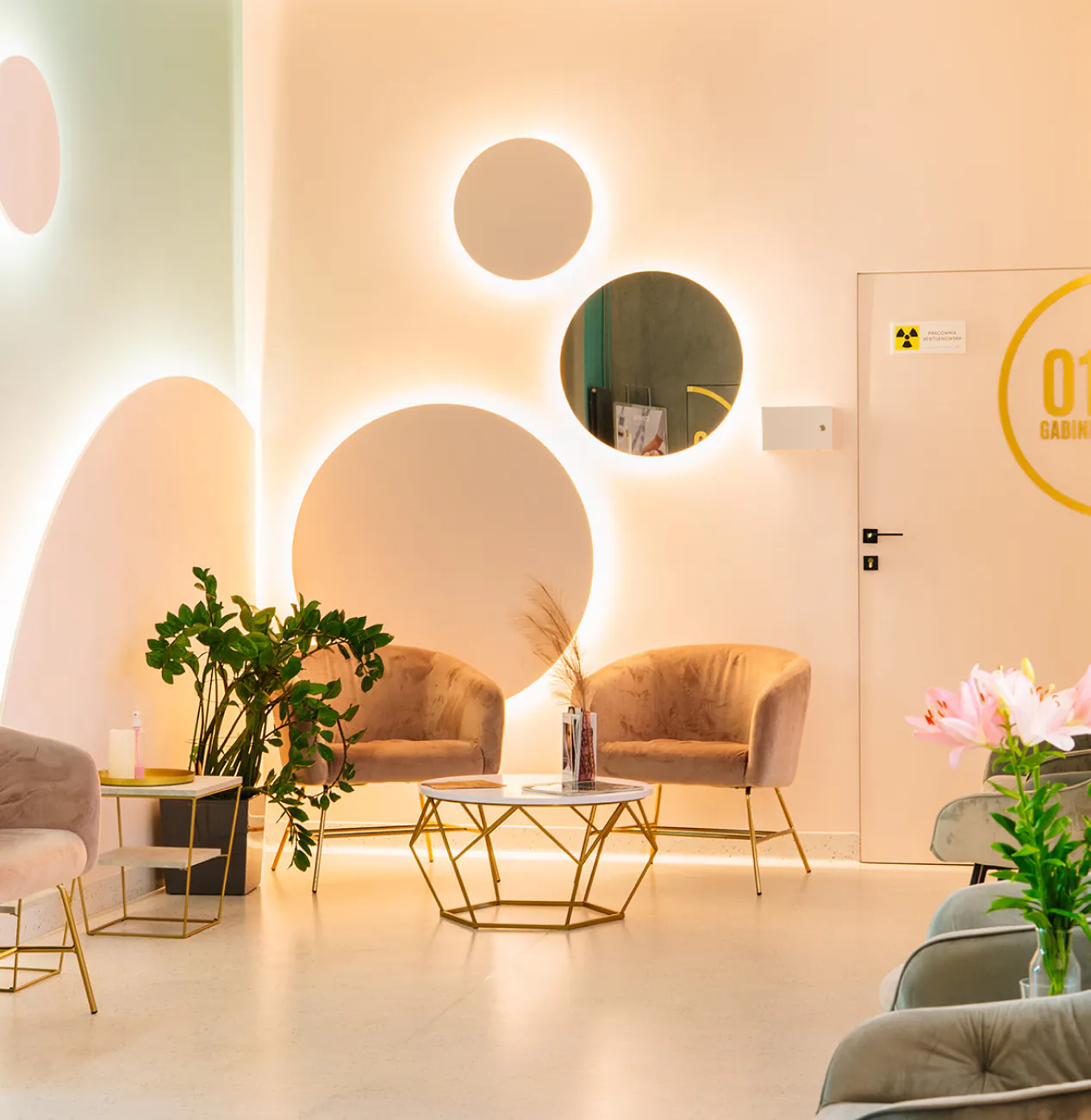
Dentaxo
Wrocław, Poland
Dentaxo is an outpatient dental organisation in Wrocław with two published locations, on Nowowiejska and Tęczowa streets. The official website states that the practices share a registration system and clinical tariff. Its scope covers adults and children, from prevention and fillings to endodontics, implants, prosthodontics, oral surgery, orthodontics and dental physiotherapy. The two addresses are treated as appointment locations rather than proof of two dedicated hospital buildings or inpatient capacity. The current public team page lists eighteen distinct dentists after repeated name headings are removed. Physiotherapy, hygiene, assisting and administration are presented separately and are not added to that dentist count. Published clinical roles include implantology, orthodontics, endodontics, prosthodontics, paediatric and conservative dentistry. The main page also contains a smaller general team-size statement, so the profile uses the identifiable named roster with its scope explained rather than treating an undated marketing counter as a workforce audit. Equipment described by the practice includes treatment microscopes, instruments for warm-gutta-percha work, a reciprocating root-canal system and dental imaging. The official presentation identifies on-site radiography and computed tomography, while the tariff separates different imaging examinations. These are useful diagnostic and endodontic capabilities, but they do not establish a complete CAD/CAM production line. The reviewed pages do not identify a CEREC scanner, design package or named milling unit, and the availability of ceramic or PMMA crowns is not substituted for that missing evidence. Restorative services include fillings, bonding, veneers, crowns, bridges, inlays, onlays and removable dentures. The price list distinguishes a zirconia crown veneered with porcelain from a pressed full-ceramic crown and other material options. Implant treatment has separate entries for consultation, a surgical guide, placement, exposure with a healing component and the definitive crown. Additional bone augmentation and sinus-elevation procedures have their own prices. This separation helps a patient understand which stages are included instead of reading the implant fixture price as the cost of a finished tooth. Root-canal treatment under a microscope is priced by canal count, with additional items for retreatment and more complex work. Children's care includes adaptation and conservative treatment, and the orthodontic list covers fixed and removable appliances and related review appointments. The practice's physiotherapy offering addresses the chewing system and temporomandibular concerns alongside dental assessment. These services are part of an outpatient dental pathway, not a general orthopaedic or inpatient rehabilitation department simply because jaw-function treatment is offered. Published examples include a consultation at 200 Polish złoty, a porcelain-veneered zirconia crown at 2,600, implant placement at 3,500 and a screw-retained implant crown at 3,800. Implant exposure and healing components are separate listed items. Some veneer and hygiene entries vary by section, so the complete written plan should identify the exact procedure rather than combining ambiguous tariff lines. The shared registration channel can confirm the treating location, relevant clinician, investigations and follow-up schedule for the intended course of care.
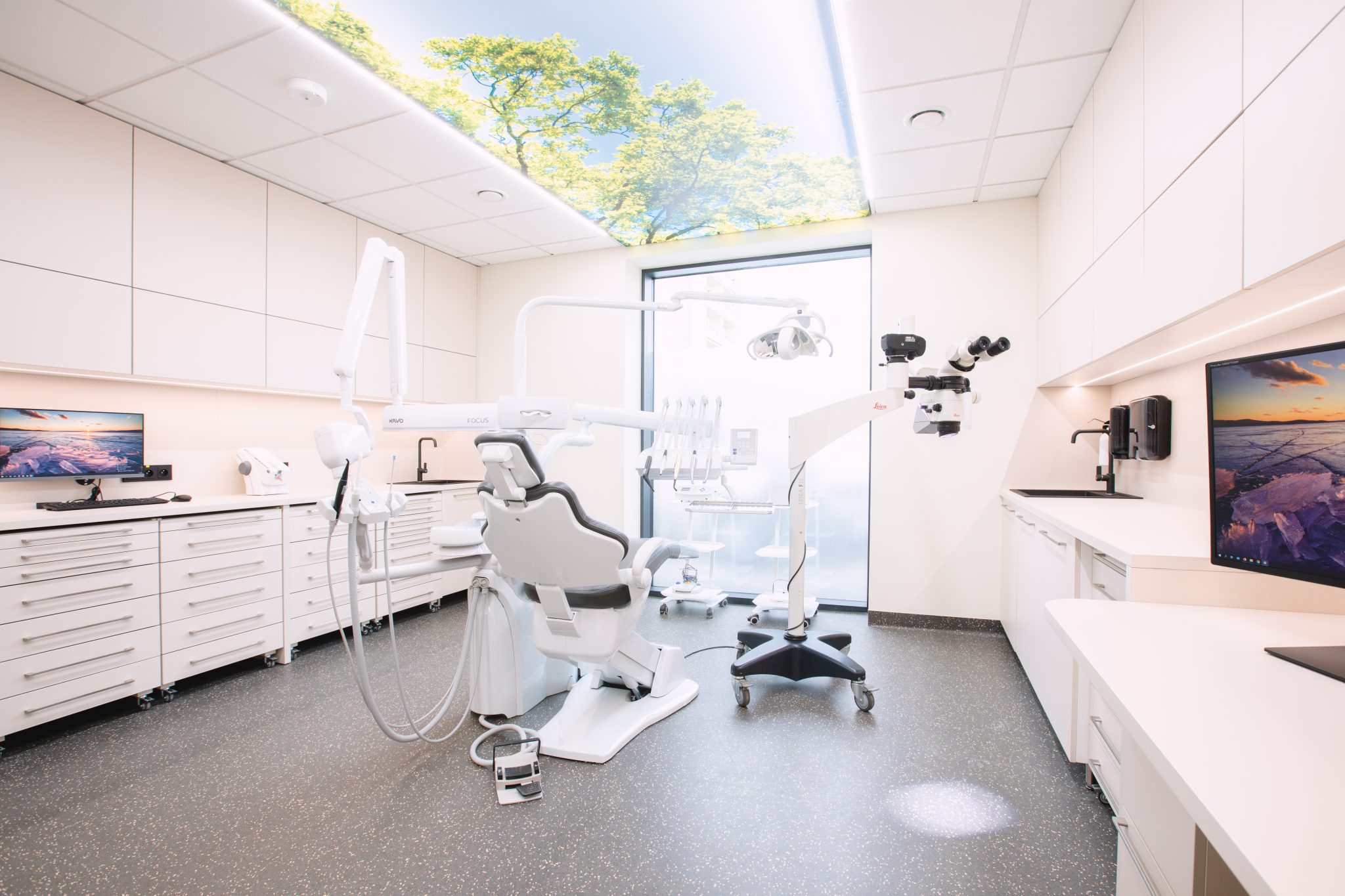
Dr Piosik Stomatologia
Poznań, Poland
Dr Piosik Stomatologia is an outpatient dental clinic on Piątkowska Street in Poznań's Winiary area. Its official service directory presents implantology, prosthodontics, orthodontics, endodontics, oral surgery, aesthetic and conservative dentistry, periodontics and preventive care. The clinic describes an interdisciplinary approach in which restorations and tooth alignment are considered together with the bite and function of the chewing system. The identified Poznań practice is the scope of this profile rather than an assumed network of hospital campuses. The institution states that patients have access to a prosthetic laboratory and publishes separate clinical and laboratory-related roles. The tariff explicitly names a nickel-free metal-ceramic crown milled using CAD/CAM and also lists dental scans and digital models. These confirm digital restorative services, but the reviewed equipment directory does not identify a CEREC scanner or milling-unit model. The source does not establish that every CAD/CAM crown is manufactured chairside during one appointment, so the digital workflow is described without a same-day completion promise. Named diagnostic equipment includes the X-Mind Trium CBCT system and Cadiax 4 for functional analysis of temporomandibular-joint movement. Digital Smile Design is used to discuss the intended appearance before restorative treatment, while microscopy supports selected dental procedures. The official technology page also identifies The Wand, an Acteon Piezotome Cube and a Pentamix impression-material mixer. A conventional material mixer is not described as a digital impression scanner. Each device is connected to its documented role instead of being grouped under a generic CEREC label. The public team page lists twelve dentists including medical director Adam Piosik, followed by administration, a dental technician, hygienists and assistants. The clinician biographies distinguish prosthodontics, implantology, periodontics, oral surgery, orthodontics and microscopic endodontics. This is the displayed roster rather than an audited employment total. Piosik's official biography also documents academic work concerning zirconia ceramics and professional teaching. That supplies a specific scientific and educational context without converting a qualification or publication into a guarantee about an individual patient's outcome. The clinical tariff separates consultation, diagnosis, tooth preparation, restorative materials and different implant stages. Implant placement, healing components and implant-supported crowns are not one interchangeable price. The endodontic list distinguishes primary treatment, retreatment, canal count and additional work. Removable prosthodontics includes conventional and BPS dentures, while the functional-care offering addresses bite-related concerns. These distinctions help connect the clinic's prosthetic and diagnostic capabilities with the particular sequence proposed after examination. Published examples include an examination with a treatment plan at 300 Polish złoty, dental scans and digital models at 180, both-arch CBCT at 320 and a full-ceramic crown at 2,900. The CAD/CAM metal-ceramic crown is listed at 2,250 and implant placement from 4,300, with additional restorative stages separate. Official hours include weekday and Saturday appointments. Confirming the treating clinician, laboratory timing and review visits alongside the written estimate provides a practical schedule for care rather than assuming that digital planning removes all further visits.
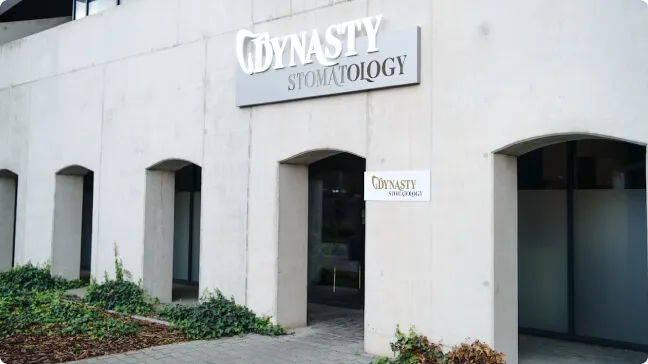
Dynasty Stomatology — Kraków
Kraków, Poland
Dynasty Stomatology is a dental organisation with two published practice addresses on Romanowicza street in Kraków. Its official contact page distinguishes the entities responsible for the two local clinics and separately links to a Prague operation. This profile concerns the Kraków services and contacts; it does not combine another country's facilities or workforce into the Polish practice. The website provides Polish, English, Ukrainian and Russian information and invites patients to state their communication preferences when arranging an appointment. The service range includes conservative dentistry, microscopic endodontics, implantology, prosthodontics, orthodontics, pediatric care, periodontology, hygiene and oral surgery. Gnathological assessment is also listed, with attention to the bite, jaw joints and associated muscles. The clinic describes consultation and an agreed plan before treatment rather than one standard procedure for all patients. Its directory therefore supports a wider clinical profile than a short listing focused only on crowns or implants. Digital methods are documented through intraoral scanning, three-dimensional bite modelling and on-site computed tomography. The institutional introduction also states that CAD/CAM and Digital Smile Design are used in prosthodontics. These statements establish digital records and a CAD/CAM restorative offering, but the reviewed pages do not identify CEREC scanner and mill models or confirm a complete local ceramic manufacturing chain. The profile consequently does not turn the presence of scanning into a promise of definitive single-visit CEREC manufacture. The published tariff distinguishes restoration types and clinical stages. It includes ceramic veneers and crowns, zirconia crowns, removable dentures and temporary or permanent implant-supported prostheses. Implant placement is listed separately by system, including Straumann, Megagen and JDental, with subsequent crown work shown in the prosthodontic section. This separation helps patients compare a completed reconstruction with an individual surgical price. Full-arch or immediate provisional treatment still requires its own diagnosis, selection and healing plan. Orthodontic services include fixed appliances, removable functional devices, aligners and retention, with diagnostic work and reviews separately identified. Periodontal treatment is presented through assessment, charting and supportive care as well as active treatment. Pediatric appointments include adaptation, fillings, sealing and other preventive services. For selected patients, sedation and general anaesthesia are described under anaesthesiologist supervision; the tariff explains separate anaesthetic charges. These dental arrangements are not used as evidence of an inpatient intensive-care unit. The contact page publishes the two Kraków addresses, direct booking details and daily appointment hours. Selected service prices are available in Polish złoty, while a full plan is established after assessment. The clinic also describes payment instalments and support for patients coordinating dental visits with travel. Before booking, patients can confirm the treating branch, required diagnostic records, proposed materials, laboratory route and expected reviews. That written sequence is particularly important when digital restorative work is combined with surgery or orthodontics, whose duration is not determined by the speed of scanning or manufacture alone.
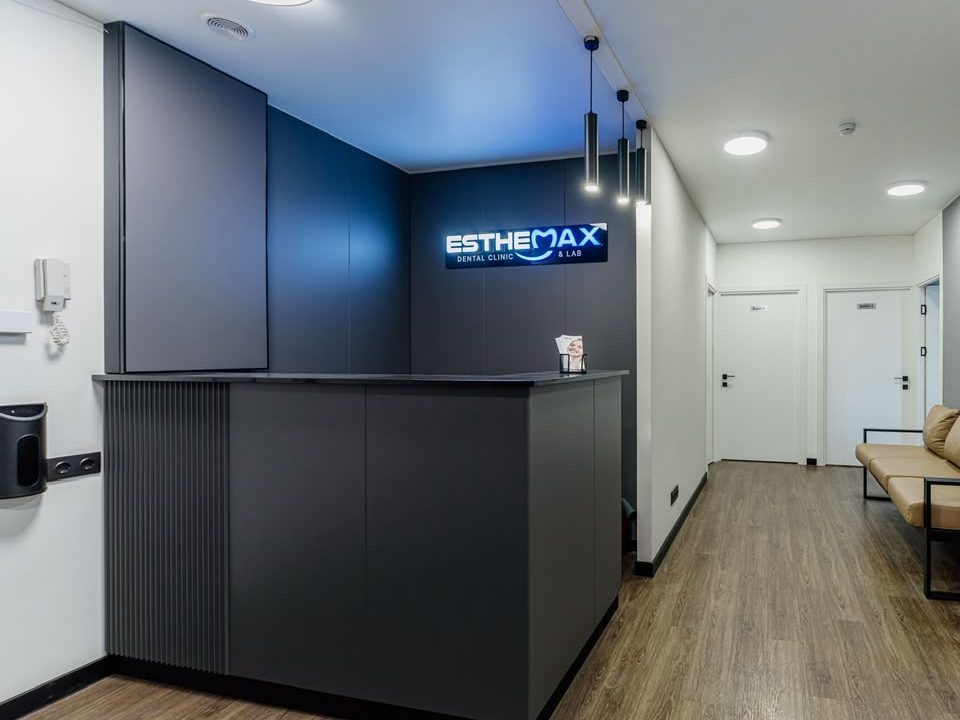
ESTHEMAX Dental Clinic & Lab
Yerevan, Armenia
ESTHEMAX is a dental clinic and laboratory in Yerevan, located on A. Avetisyan street. Its official presentation identifies Arsen Gevorgyan as a co-founder and describes treatment for local and international patients. The main clinical areas include dental implants, ceramic veneers, prosthodontics, orthodontics, whitening and comprehensive restoration of the dentition. The published service and tariff pages also describe conservative, endodontic, periodontal and oral-surgical procedures, giving the clinic a wider scope than aesthetic restorations alone. The organisation specifically states that its laboratory is located on the same floor as the clinic. Its crown page explains a workflow using intraoral scanning, computer-aided design and manufacture, followed by production on site. The price list further identifies milled and layered zirconia crowns and printed temporary acrylic crowns. These descriptions establish an integrated CAD/CAM laboratory, but the reviewed material does not identify Sirona CEREC or name a particular scanner and milling-machine model. The profile therefore documents the confirmed digital process without assigning an unsupported hardware brand. Restorative options include zirconia, lithium-disilicate, metal-ceramic and full-cast metal crowns, together with temporary restorations. The clinic offers crowns on natural teeth and on implants. Its veneer information discusses E-max Press and other ceramic options, digital smile design, wax-up and mock-up. A short manufacturing period is advertised for suitable veneer cases, while the scope, preparation and total number of appointments depend on the individual treatment. That timetable should not be transferred automatically to implant surgery and healing. Implantology includes named Korean, French and Swiss systems in the official tariff. Supporting procedures include digital surgical guides, soft-tissue grafting, bone augmentation and open or closed sinus lifting. The clinic distinguishes implant placement from later crown delivery and explains that temporary loading is considered when the implant site and bone conditions permit it. This makes it possible to discuss the surgical and prosthetic stages separately, rather than treating the price of an implant fixture as a complete rehabilitation package. Orthodontic services include removable appliances, fixed brackets, clear aligners and retention. The tariff also lists composite fillings, root-canal work, periodontal procedures, professional cleaning and oral-surgical interventions. Whitening is described using the BEYOND Polus system. The public clinical information connects these services with diagnostic photographs, imaging and digital planning, while the patient consultation determines which elements belong in the proposed plan and which can be managed independently. ESTHEMAX publishes an itemised tariff in Armenian dram, with ranges reflecting materials and clinical complexity. Implant placement, prosthetic components, crowns and preparatory surgery are listed separately, while comprehensive reconstruction is quoted individually. The clinic provides direct telephone and messaging channels and describes communication in English, Armenian and Russian. Patients visiting from abroad can request preliminary review of their records, then confirm the clinical plan and financial estimate following examination. Published travel-duration examples depend on the procedure and should be checked against the actual stages of the proposed care.
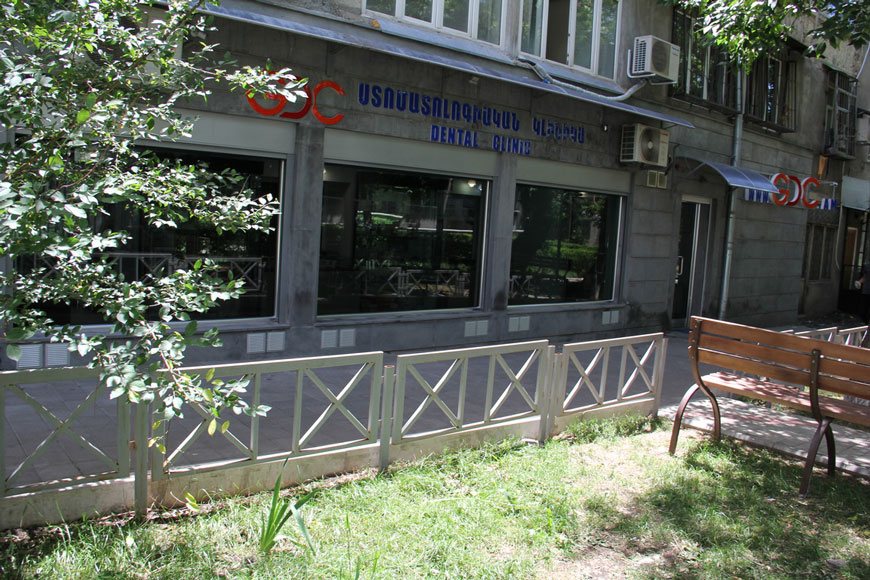
GDC — Center of Dentistry and Implantology
Yerevan, Armenia
GDC is a dentistry and implantology center in Yerevan, established in 1997 according to its official institutional history. The practice describes its own dental laboratory and a clinical approach linking dental treatment, implantation and prosthodontic work. Its published director biography identifies Thorgom Dashtoyan as a dentist, implantologist and prosthodontist associated with Yerevan State Medical University. The organisation also describes its role as a clinical training base for implantology, connecting its patient services with professional education. The equipment page provides unusually clear information about alternative digital manufacturing routes. GDC identifies an Amann Girrbach CAD/CAM system in its own laboratory, used for computer design and manufacture of dental structures. The clinic states that suitable work can be produced within one day and that the dentist can oversee the process within the practice. This documents a laboratory-based digital production service; it should not be relabelled as Sirona CEREC when that specific system is not identified in the published equipment list. A second route uses the NobelProcera 2G scanner. GDC explains that scanning and modelling take place at the clinic, while the corresponding restoration is manufactured at a NobelProcera production facility. The distinction is important: owning a scanner for that system is not the same as manufacturing every component locally. Patients can ask which of the described workflows is proposed for their crown, bridge or implant-supported structure and how laboratory location affects the expected timetable and appointments. The practice also names a Planmeca Emerald intraoral scanner, which produces a digital record for subsequent processing in a CAD/CAM laboratory. Digital impressions, restoration design and final manufacture are therefore documented as related but separate stages. The institutional laboratory description presents collaboration between the treating dentist and dental technician. This can be considered alongside the clinical preparation needed before a restoration is designed, rather than treating speed of manufacture as the complete duration of treatment. The official service and tariff information covers surgical, therapeutic and prosthodontic dentistry. Surgical items include tooth extraction, implant placement, sinus lifting and supporting implant components. Therapeutic work includes root-canal treatment, retreatment, composite restoration, hygiene and whitening. Prosthodontic options include metal-ceramic, all-ceramic and zirconia crowns, ceramic inlays, onlays and veneers, as well as removable dentures. Named implant systems in the tariff include AB Dental, Alpha-Bio Tec and Nobel Biocare, with abutments and crowns shown as separate items. GDC publishes direct telephone and email contacts for its Abovyan street premises. Its official tariff specifies amounts in Armenian dram, enabling comparison of individual services. Those items do not form one all-inclusive price for an implant-supported tooth or an extensive reconstruction. Before treatment, patients can confirm the proposed clinical stages, restoration material, manufacturing route, additional components and complete written estimate. Where single-day manufacture is discussed, the team should clarify which restoration is suitable and what preliminary treatment or subsequent review remains necessary.
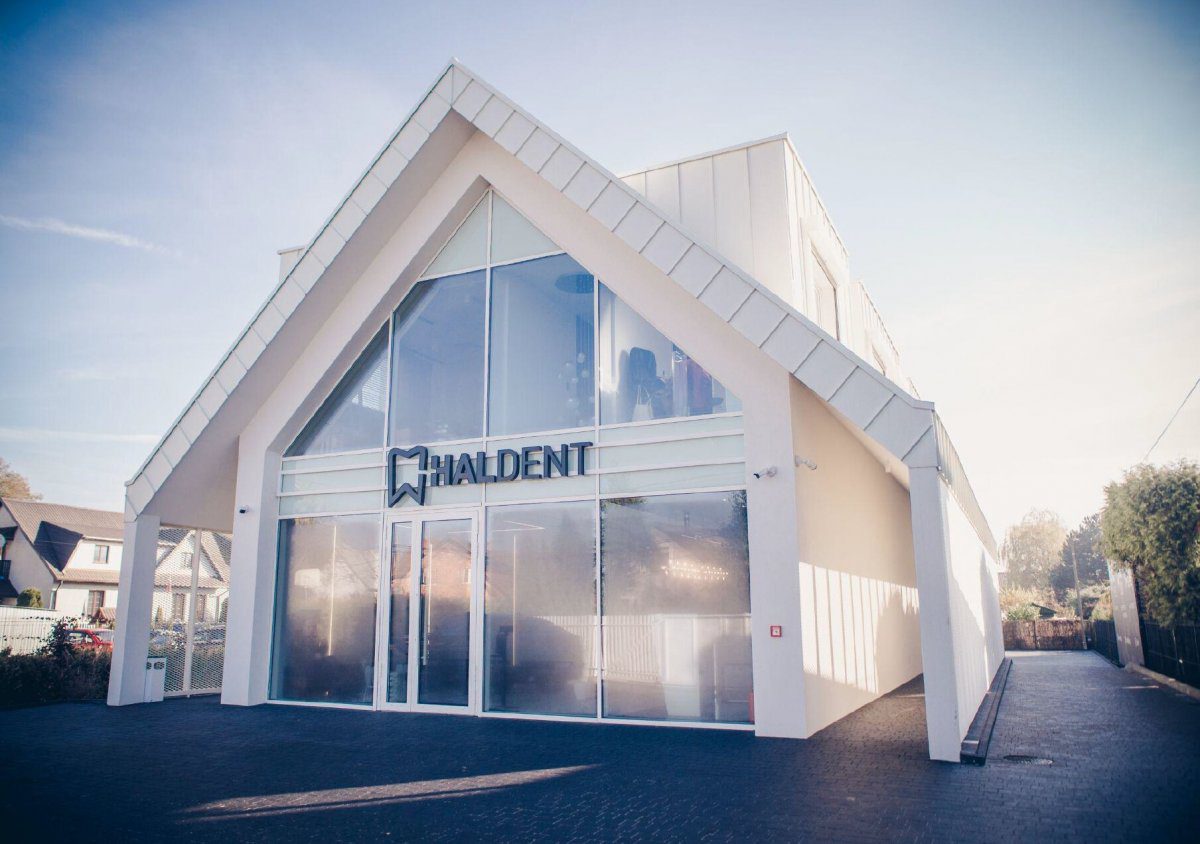
HALdent
Zabierzów, near Kraków, Poland
HALdent is an outpatient dental provider in Zabierzów, near Kraków, with its official address on Rodziny Poganów Street. Its own introduction distinguishes the dental practice from the associated HALmed medical activity and describes a shared two-building complex. That combined-campus statement is not treated as proof that both buildings are exclusively dental. The service directory covers preventive, conservative and children's dentistry, endodontics, oral surgery, implants, prosthodontics, periodontics, orthodontics, radiology and dental physiotherapy. Implant-supported full-arch restoration is a prominent clinical focus. The All-on-4 information separates initial assessment, surgery, temporary restoration and the later definitive prosthetic stage. Digital methods include intraoral scanning, CAD/CAM planning and three-dimensional printing. Same-day fixed teeth in selected pathways refer to the immediate restorative stage rather than completion of every healing and definitive-treatment step. The current patient tariff makes that distinction visible by separating package inclusions and the timing of the later zirconia bridge. The practice has its own HALdent Lab, which produces work for the clinic and for external dental organisations. Its official laboratory page documents digital wax-ups, printed prototypes, models, surgical-guide design and printing, and workflows using photogrammetry. These establish a laboratory-based digital manufacturing pathway. A complete CEREC scanner, design software and milling-unit chain is not named, so the profile does not assign CEREC or a particular mill model. The presence of e.max or zirconia in a price list alone is not used as equipment evidence. The public team page lists fifteen dentists, including the two leading clinicians, before separately identifying patient coordinators, hygienists, assistants and laboratory technicians. Hubert Trzepatowski's biography describes prosthodontic specialisation, All-on-4 clinical work and professional teaching through HALdent Academy. Agnieszka Trzepatowska's presentation focuses on orthodontic care for children, adolescents and adults. The listed roster is not an audited employment total, and technical staff are not counted as physicians. The academy's educational activity is distinct from patient treatment and from clinical accreditation. Patient and laboratory tariffs are kept separate. The clinical price list includes a diagnostic smile-planning package with computed tomography, intraoral scans, consultation, aesthetic analysis, a digital wax-up and discussion of the treatment plan. It also publishes individual items for hygiene, crowns, veneers, endodontics, implant placement and orthodontic care. Laboratory-only fabrication prices exclude the clinical examination, preparation, surgery and fitting needed for a patient's treatment, so they are not presented as cheaper all-inclusive dental care. Published patient examples include the smile-planning package at 1,000 Polish złoty, implant placement at 3,900 and a zirconia crown at 2,900. Full-arch proposals require careful comparison of temporary and definitive restorations and any additional procedures. Contact information names an implant-patient coordinator and support for foreign patients, with the practice open on weekdays from nine in the morning until eight in the evening. The actual schedule, accommodation arrangements and review visits can be confirmed alongside the written clinical plan, preserving continuity between diagnosis, manufacturing and follow-up.
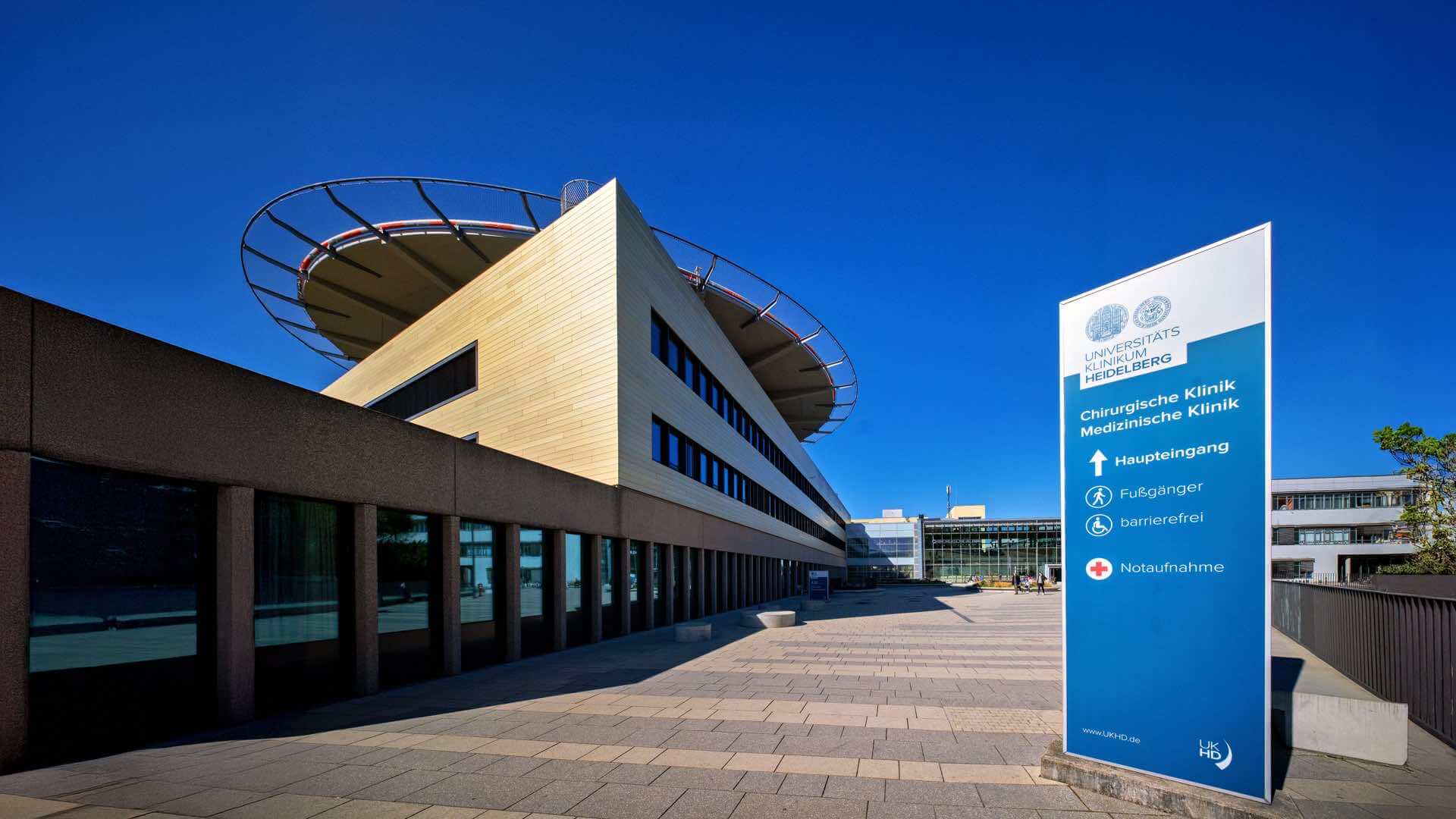
Heidelberg University Hospital
Heidelberg, Germany
Heidelberg University Hospital organizes specialist care through major clinical centers, including surgery, internal medicine, children's medicine, women's health and head specialties. Cancer care is linked with the National Center for Tumor Diseases, while institutional research spans neuroscience, infection, cardiovascular medicine and digital health. The institutional directory identifies major centers for surgery, internal medicine, head specialties, orthopedics, trauma and spinal-cord injury care. It separately names children's and adolescent medicine, the university women's hospital, dermatology, and psychosocial medicine, prevention and family health. This is a clinical-center structure within the Heidelberg university-medical organization, rather than a list of equivalent stand-alone hospitals. Cancer care is represented by the National Center for Tumor Diseases Heidelberg and the Hopp Children's Tumor Center. The adult center's official description explains interdisciplinary assessment and coordination across specialist departments. Its role is therefore to connect the relevant clinical expertise for cancer treatment, while pediatric oncology has its own identifiable institutional setting. A reference to the cancer center does not mean that every procedure occurs in the same ward or under one financial package. The hospital identifies cancer, neuroscience, infection and immunology, and cardiovascular research as institutional research priorities. Digital health, artificial intelligence, robotics, global health and prevention appear as additional profile areas. These are the categories used by the university hospital to describe its scientific work; they are distinct from an announcement that a particular experimental intervention is routinely offered to all patients. The 2024 institutional figures are explicitly labeled as group figures. They include beds, fully inpatient patients, outpatient cases and employees across the reporting scope. The statutory quality report for the campus uses a narrower boundary and reports its own inpatient capacity and staffing. Consequently, the group and campus figures cannot be substituted for one another, and staffing expressed in full-time equivalents is not presented as a headcount of individual doctors. The quality-report material also documents professional education beyond medicine, including nursing and anesthesia-related technical training. Together with the university clinics and research priorities, this describes a teaching environment with several professional groups. Department-level information, such as the published guidance for the intensive-care ward, adds the practical clinical setting to the institution's wider academic and organizational account. The institution reports the following clinical and infrastructure information: outpatient care: Yes; inpatient beds: 2,589 (UKHD group, annual report 2024; broader than one hospital building.); intensive care / resuscitation: Yes. The scope and reporting period remain those of the linked institutional sources. The National Center for Tumor Diseases Heidelberg brings together specialists involved in adult cancer care at Heidelberg University Hospital. Its official description explains interdisciplinary assessment and coordination of treatment across the hospital’s specialist departments.
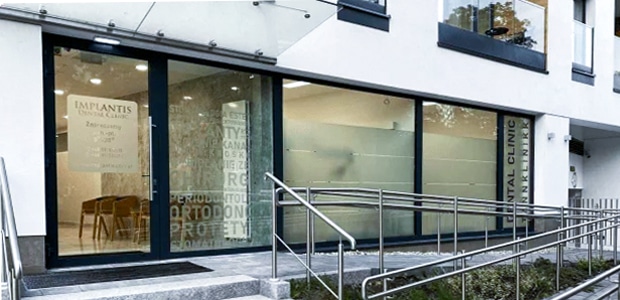
IMPLANTIS Dental Clinic
Kraków, Poland
IMPLANTIS is a Kraków dental provider founded in 2014 by dentist Tomasz Bobek. Its official contact page identifies two local branches, on Aleja Ignacego Daszyńskiego and Grzegórzecka Street. The practice presents implant treatment, prosthodontics, restorative and aesthetic dentistry, oral surgery, microscope-assisted endodontics and orthodontics. It describes care as potentially involving several stages, with the consultation used to establish the condition of the teeth, available alternatives, likely visits and the overall treatment budget. Digital dentistry is documented with specific equipment and processes. The main website names 3Shape TRIOS intraoral scanners, while the institutional introduction lists two dental computed-tomography systems, five treatment microscopes and five three-dimensional printers. The same introduction refers to digital printing and milling of prosthetic work, and the team directory identifies CAD/CAM prosthodontic experience. These statements establish a digital restorative workflow. They do not identify a complete branded CEREC chain, a particular milling-machine model or a guarantee that definitive restorations are made locally during one appointment. The public team directory lists seventeen dentists before separate hygiene and support sections. Named areas include implant surgery, prosthodontics, Digital Smile Design, Invisalign treatment, microscope-assisted endodontics, periodontics and conservative dentistry. This is the displayed clinical roster across the practice, not an audited headcount for each individual branch. Dental hygienists and assistants are not added to the physician figure. Patients can confirm which location and clinician will deliver each planned stage, particularly when the treatment combines surgery and definitive restoration. Implant information describes three-dimensional imaging, planning and a separate prosthetic stage. The clinical pathway includes assessment of available bone and, where necessary, additional procedures such as sinus elevation or augmentation. The website discusses digitally guided placement and the relationship between healing and final restoration. These stages remain separate from the speed of an intraoral scan or fabrication process: a digital impression does not mean that biological healing is completed in a day. The final crown, bridge or denture is selected within the complete clinical plan. The official tariff is unusually explicit about what is and is not included in an implant example. It lists a DIO implant, titanium abutment, healing component and metal-ceramic crown from 5,150 Polish złoty, while excluding consultation, computed tomography, the required surgical guide and any additional grafting procedures. Other published examples include a full-ceramic crown at 2,250 and both-jaw computed tomography at 360. The source describes the online figures as informational and directs patients to the reception tariff and an individual written estimate. Contact information provides separate numbers for the two branches and weekday hours from eight in the morning until eight in the evening. The consultation is also the point at which the practice discusses alternatives and the proposed schedule. The profile therefore connects its documented scanning, imaging and manufacturing-related services with the actual clinical and financial stages, without assigning an undisclosed inpatient capacity, intensive-care service or unsupported market-price tier to an outpatient dental organisation.
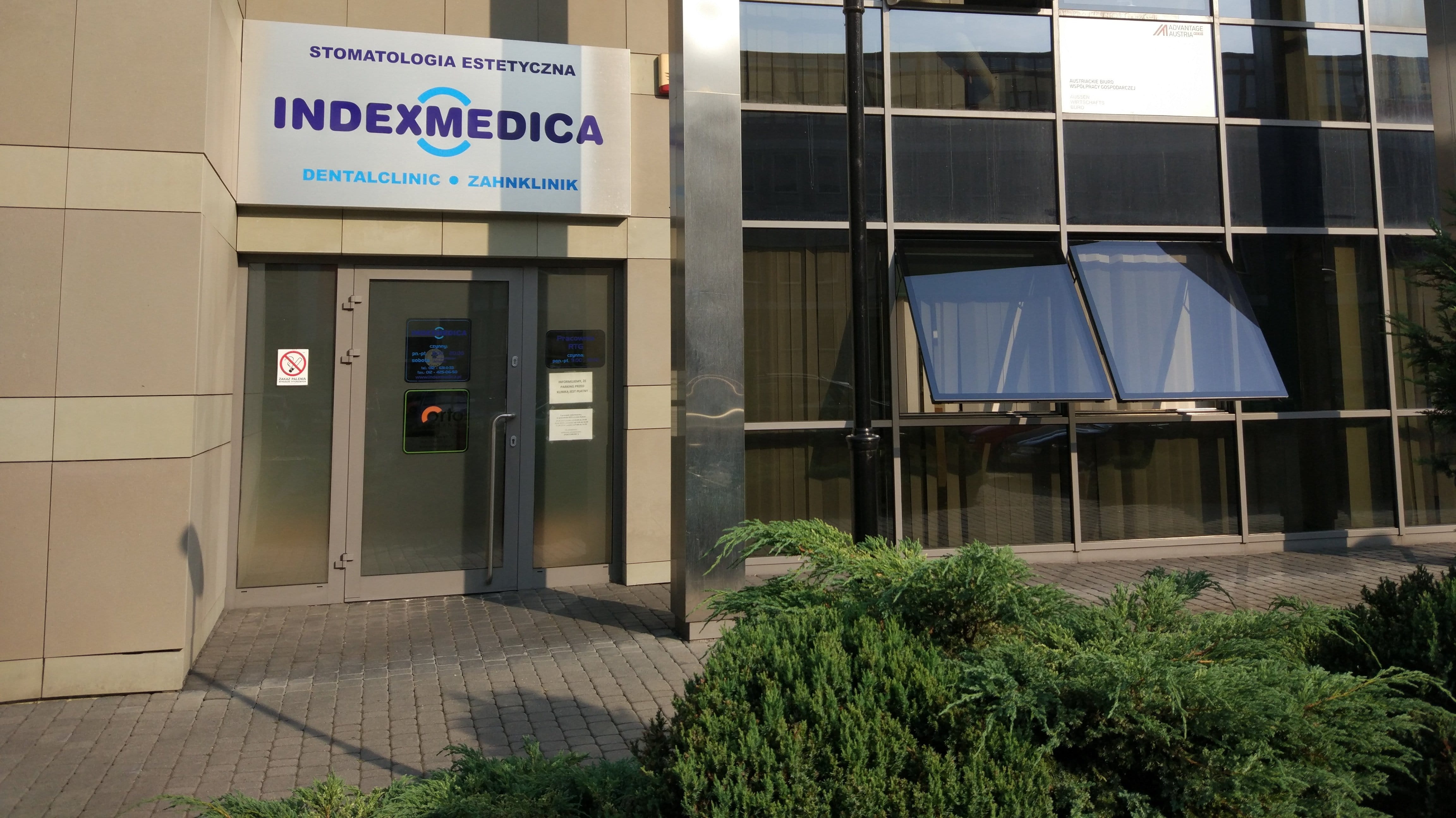
INDEXMEDICA
Kraków, Poland
INDEXMEDICA is an outpatient dental centre on Czapińskiego Street in Kraków, established in 2006 according to its official introduction. Its published clinical scope covers implant treatment, conservative dentistry, root-canal care, prosthodontics, oral surgery, children's dentistry, periodontics and preventive services. The institution also describes care for visitors from outside Poland. This profile follows the identified Kraków practice and its own clinical information rather than combining similarly named websites or assigning the capacity of a general hospital to a dental clinic. Digital prosthodontics is documented, but its stages require a precise distinction. The homepage names a CEREC intraoral scanner, while the dedicated restorative page describes digital impressions and definitive work fitted after several days. The laboratory page states that INDEXMEDICA collaborates with selected prosthetic laboratories using technologies including CAD/CAM. That supports a scanning-to-laboratory workflow. It does not establish an owned chairside CEREC mill or a complete same-visit manufacturing chain, and no particular scanner or milling-machine model is named in the reviewed information. The partner laboratories make a range of restorations, including metal-ceramic and metal-free crowns or bridges, zirconia and e.max work, veneers, inlays, removable dentures and implant-supported components. The institution describes joint shade selection with a technician and the treating dentist where needed. Prosthodontic planning therefore includes function, material and appearance, alongside the clinical preparation of the teeth. The laboratory relationship is part of that pathway rather than evidence that every restoration is produced in the consultation room. The public personnel page lists ten medical clinicians: eight dentists and two anaesthesiology specialists, followed by management roles. Their published fields include implantology, oral surgery, prosthodontics, conservative dentistry, endodontics and periodontics. This is the named roster, not a dated employment audit. Anaesthesiology support is relevant to the sedation offering but is not evidence of an on-site intensive-care unit. Likewise, dentists with several qualifications are counted once rather than once for each specialty title. On-site diagnostics include dental radiography, panoramic imaging, computed tomography and endodontic microtomography. The tariff describes investigations as separate from consultation where applicable, then a detailed written plan with costs divided by treatment stage. Local anaesthesia, The Wand and anaesthesiologist-administered sedation have different listed fees. Preventive cleaning, whitening, fillings, endodontic treatment, periodontal procedures and paediatric adaptation visits are also separately described. A patient's treatment can therefore be compared by actual components rather than by an unsupported all-inclusive headline. Published starting prices include 2,499 Polish złoty for an e.max crown, 2,299 for a zirconia crown or bridge unit, and 2,799 for implant placement of the titanium fixture. The source presents its online tariff as informational, with the final plan following consultation and diagnostics. The clinic and its radiography service publish separate opening schedules and request advance registration for imaging. Confirming those appointments, restoration timing and review visits helps coordinate care for someone travelling to Kraków.
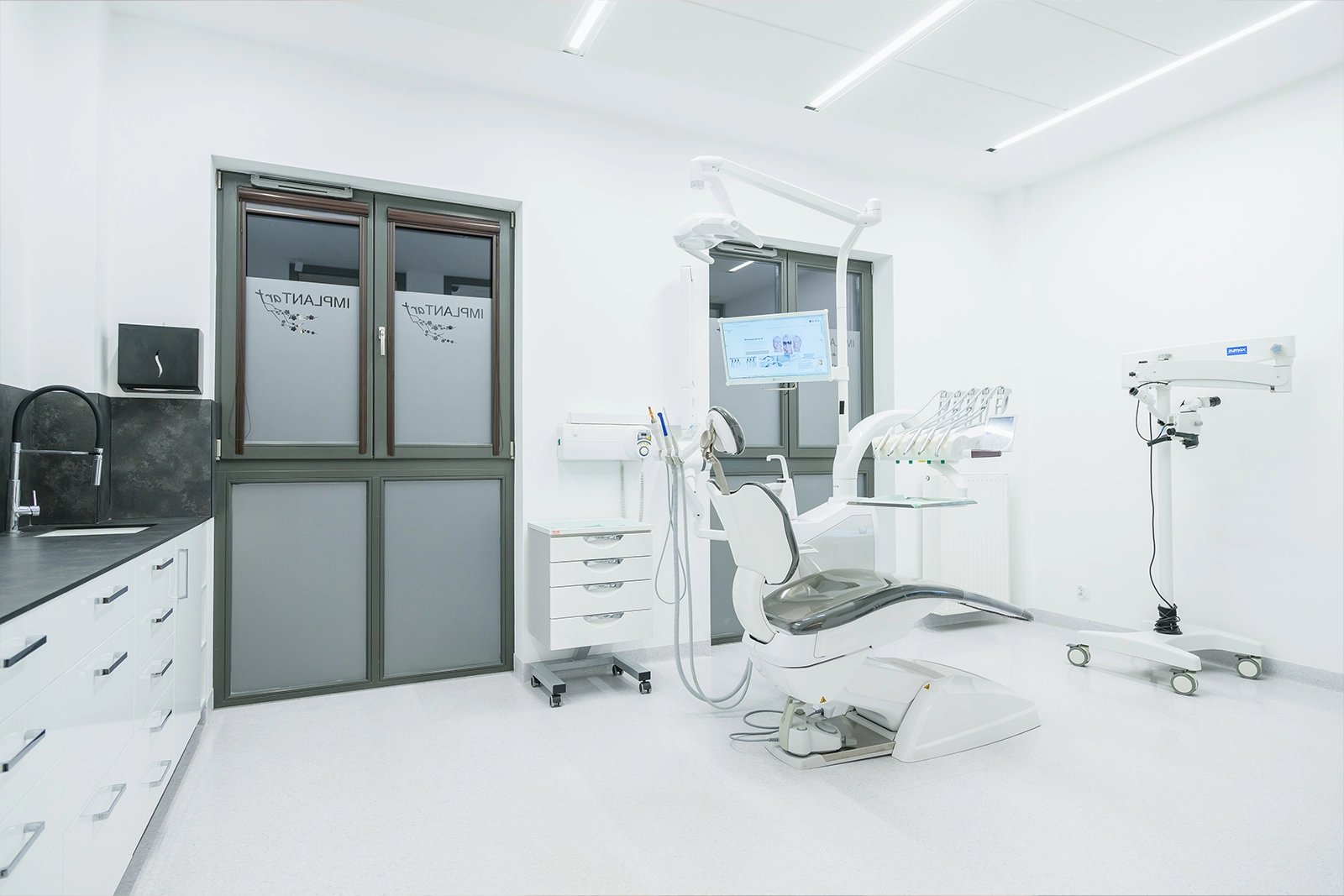
Implant-Art Piotr Stępień
Warsaw, Poland
Implant-Art Piotr Stępień is a dental practice in Warsaw's Mokotów district, with its official contact address on Puławska street. Its website presents implant treatment alongside restorative dentistry, orthodontics, oral surgery, endodontics, periodontology and preventive care. The clinical menu includes crowns, veneers, bonding, whitening and management of larger tooth gaps, so the practice is represented through its full documented service range rather than through implant surgery alone. Digital diagnostics are central to the published treatment pathway. The practice describes cone-beam computed tomography for evaluating the jaw and planning implant positions, together with radiographs, bite assessment and digital planning. Its prosthodontic page also explicitly describes intraoral scans and virtual records used before laboratory work and fitting appointments. The reviewed pages do not name a scanner model or establish a complete in-house CEREC milling-and-furnace chain. The confirmed service is therefore distinguished from a manufacturer-specific single-visit ceramic workflow. The implant information separates the surgical component from later restoration. Assessment considers the condition of the gums, available bone and the proposed prosthesis before implantation. The published pathway includes preparation where necessary, placement, healing, definitive restoration and review. It describes both single-tooth replacement and reconstruction of larger gaps, with bone augmentation and sinus-floor procedures available in appropriate cases. These stages are relevant when comparing an implant's advertised insertion price with the cost and duration of a completed tooth replacement. The prosthodontic offering includes tooth-supported and implant-supported crowns, bridges, ceramic or composite veneers, partial restorations and removable dentures. Digital scans or conventional impressions feed into laboratory manufacture, followed by fitting and delivery. The official explanation gives a usual restorative course of seven to fourteen days with two or three visits, depending on the work. The separate promotion of rapid full-arch treatment should not be interpreted as confirmation that every definitive ceramic crown is milled locally in one visit. Other clinical services are documented in their own sections and tariff categories. Orthodontic options include fixed appliances, clear aligners, assessment, retention and follow-up. Endodontic procedures are described as using microscopy and a rubber dam, with separate items for initial treatment and retreatment. Preventive work includes scaling, polishing, fluoride and hygiene instruction, while oral surgery covers extraction and more complex impacted-tooth treatment. Children's fillings and preventive services are also listed in the official prices. The clinic publishes a detailed tariff in Polish złoty and direct booking contacts, with weekday and Saturday opening hours. Some promotional package figures on the homepage differ from the detailed tariff, so the profile uses clearly scoped tariff items and leaves the complete reconstruction budget to an individual proposal. Before travel, patients can confirm the responsible clinician, diagnostic requirements, materials, laboratory arrangements and planned appointments. This makes it possible to evaluate the documented digital workflow together with preparatory care, healing and long-term review rather than relying on a single headline price.
LAMA Clinic — Dentistry
Warsaw, Poland
LAMA Clinic's dental services are offered at published Warsaw locations in Mokotów and Wola. The official website identifies Bukowińska street for dentistry and Jana Ostroroga street for a combined medical and dental location. A further medical-centre address is presented separately. This profile follows the dental organisation's own service descriptions rather than assigning all facilities or specialists of the wider medical operation to one dental practice. Direct telephone and online booking channels are available for arranging the appropriate location. The institution presents implantology and complex reconstruction as major areas of work, alongside conservative dentistry, endodontics, orthodontics and children's care. Its treatment pathway begins with consultation, diagnostic records and assessment of the teeth and bite. Preparatory dental work is considered before implant placement or final restoration, with different specialists contributing where needed. The published range also includes hygiene, whitening, oral surgery and dental radiography, extending beyond the short restorative description in the original attachment. Digital records are explicitly documented in the metal-free crown service. The clinic describes using a scanner to capture the prepared teeth and transferring the resulting data digitally to a laboratory. That is confirmation of digital scanning and a laboratory stage. The reviewed pages do not identify the scanner model, a CEREC milling unit or an in-house ceramic furnace. A zirconia or ceramic crown alone does not establish a complete CEREC manufacturing chain, so the profile distinguishes the confirmed digital workflow from an unverified single-visit production claim. Prosthodontic options include ceramic and zirconia crowns, veneers, partial restorations, removable dentures and prostheses supported by implants. The crown explanation separates examination, any necessary root-canal or supporting reconstruction, preparation, scanning, temporary restoration and final fitting. The selection depends on the condition of the tooth and the planned reconstruction. This sequence is useful for discussing both the final material and the practical timetable, particularly when several teeth or supporting structures require treatment. Implant services include reconstruction of missing teeth and larger full-arch plans, with the clinic also presenting assessment of more complex cases. Orthodontic and endodontic services are described alongside restorative work rather than as substitutes for it. The official content includes microscope-assisted root-canal care and individual planning of the bite. Children's dentistry, preventive visits and aesthetic services have their own roles within the directory and can be confirmed with the relevant clinician before an appointment is arranged. The crown page publishes a starting price in Polish złoty, while the wider prosthodontic page explains that methods and payment arrangements are discussed individually. A general promotional starting amount is not used as the price of a completed reconstruction. Patients can ask for a written estimate identifying the restoration, laboratory work, preparation, implant components where applicable and review appointments. Confirmation of the branch, clinician and manufacturing arrangements is particularly relevant when travel dates need to be coordinated with laboratory delivery and final fitting.
LUXDENTICA
Kraków, Poland
LUXDENTICA is a Kraków dental organisation founded by Dariusz Wilisowski in 2009, according to its official institutional presentation. It identifies three locations: Lubostroń, Lipska and Wrocławska. The homepage reports eighteen treatment rooms across those sites. This profile covers the organisation rather than presenting that network-wide capacity as the size of one branch. It is also distinct from the similarly named Luxdentic clinic in Warsaw. The published clinical scope extends from prevention and conservative care to implants, prosthodontics, orthodontics, periodontics, oral surgery and children's dentistry. Digital restorative planning is documented in the current tariff. Its aesthetic-planning package combines Digital Smile Design, wax-up and mock-up with digital scanning and a CAD/CAM workflow. The scanner name is printed as Primesca in that entry; no particular generation is inferred from the truncated wording. A clinician biography separately names iTero Lumina and Dental Monitoring for aligner care. These are specific pieces of scanning and planning evidence, rather than proof that every branch owns an identical manufacturing system. The official blog has a CEREC explanation dated November 2020, describing scanning, design and production of ceramic restorations during one visit. The reviewed current pages do not identify an installed CEREC mill or furnace, or a branch-specific complete branded chain. The profile therefore records documented digital planning and scanning while leaving local CEREC manufacture and same-visit definitive restorations unconfirmed. The separate implant pathway marketed around an hour involves advance diagnosis, a prepared surgical guide and a later surgical appointment. Its own explanation includes preparation over several days, so the headline is not used as the duration of an entire treatment course. MODJAW is explicitly offered for recording jaw movement and evaluating occlusal relationships and temporomandibular-joint function. The organisation also describes X-Guide dynamic implant navigation. Its endodontic tariff names a Zumax OMS 2360 microscope and states the listed root-canal treatment scope includes radiographs, inter-appointment dressings and anaesthesia; the computed-tomography examination has its own entry. These distinctions help identify which diagnostic, planning and treatment stages are included in a particular service. The public clinician directory contains twenty-nine named dentists and one anaesthesiology physician across the organisation. This is not a same-shift staffing count for one address. Physiotherapy and speech-language consultations are separately offered, while anxiety-management options include local anaesthesia, The Wand, nitrous oxide and sedoanalgesia. The presence of an anaesthesiologist does not establish a hospital intensive-care unit. The site describes three clinical addresses, not a verified count of separate hospital buildings or inpatient beds. Published examples include an initial general dental consultation at 250 Polish złoty, a MODJAW examination at 400 and an aesthetic DSD planning package from 3,200. Those are assessment and planning charges, not the cost of a finished smile reconstruction. The organisation publishes different opening schedules and contact numbers for its branches. Selecting the intended address and clinician is therefore part of arranging imaging, restorative preparation, laboratory work and follow-up, especially for someone planning treatment around travel.
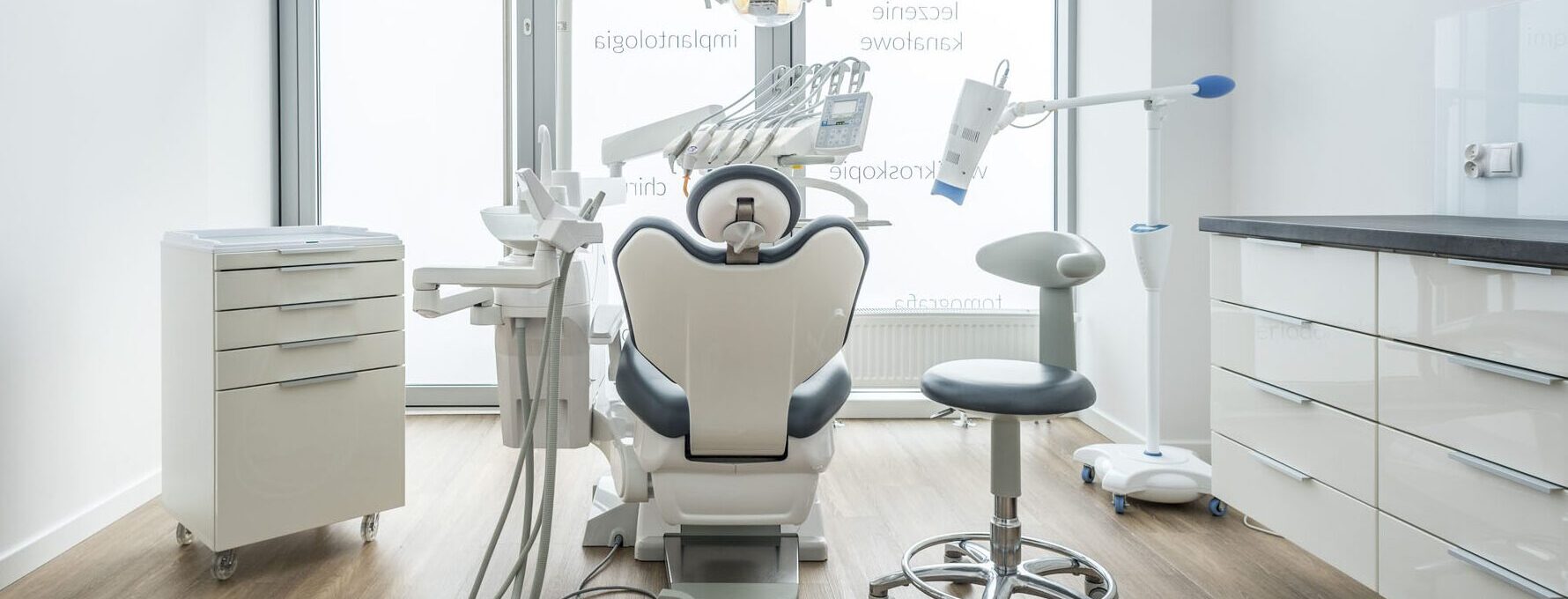
Luxdentic Stomatologia
Warsaw, Poland
Luxdentic is a Warsaw dental provider with practices in Praga Południe and Ursynów. The official contact information identifies the Galeria Wiatraczna location on Aleja Stanów Zjednoczonych and a second practice on Indiry Gandhi street. Its service directory includes conservative dentistry, implantology, prosthodontics, endodontics, orthodontics, oral surgery, periodontology and children's care. Preventive appointments, whitening and management of dental anxiety are also described, giving the provider a broader scope than a cosmetic crown service alone. Digital restoration is a documented part of its clinical offering. The practice states that it uses Sirona intraoral scanners and has its own CEREC prosthetic laboratory. The official presentation describes scanning, computer-assisted design and manufacture of suitable crowns, veneers and inlay or onlay restorations, with selected work available within one day. The price list separately confirms digital impressions, printed models and CAD/CAM cutting. Individual scanner, mill and furnace models are not identified in the reviewed text, so the profile does not assume a particular generation of CEREC equipment. The dedicated crown page explains how restorative planning begins with consultation and examination. Patients with existing radiographs are asked to bring them; imaging can also be performed at the clinic. Dental decay and deposits are considered before the proposed reconstruction proceeds. The resulting plan can involve a single crown, bridge or more extensive restoration. Availability of rapid manufacture does not establish that preparatory care, implant integration or an entire reconstruction will be completed in the same appointment. Implant services are itemised rather than represented by one universal package. The tariff separates implantation, uncovering and the implant-supported ceramic crown with its abutment. Removable implant-retained dentures and fixed full-arch options are listed separately. Oral surgery also includes extractions, management of impacted teeth, sinus-related or bone-regenerative preparation and soft-tissue procedures. These components need to be matched to the actual clinical proposal when comparing treatment costs. Orthodontics includes fixed appliances and Invisalign aligners, with assessment, planning, adjustments and retention distinguished in the tariff. Pediatric services include introductory visits, preventive sealing, fluoride application and fillings in primary teeth. Root-canal treatment is listed by the number of canals, with microscopy and radiographic work addressed in the price notes. Periodontal care, professional hygiene and whitening remain separate services with their own indications and schedules. The published prices are indicative and the clinic states that a detailed estimate follows examination. The two Warsaw locations publish separate telephone contacts, weekday hours and Saturday appointments. Patients can confirm the appropriate branch, clinician and appointment sequence directly, particularly when requesting the CEREC laboratory service alongside other treatment. A written budget should identify the restoration material, necessary diagnostics and surgery, included laboratory work and review visits, allowing the digital manufacturing stage to be understood within the complete course of care.
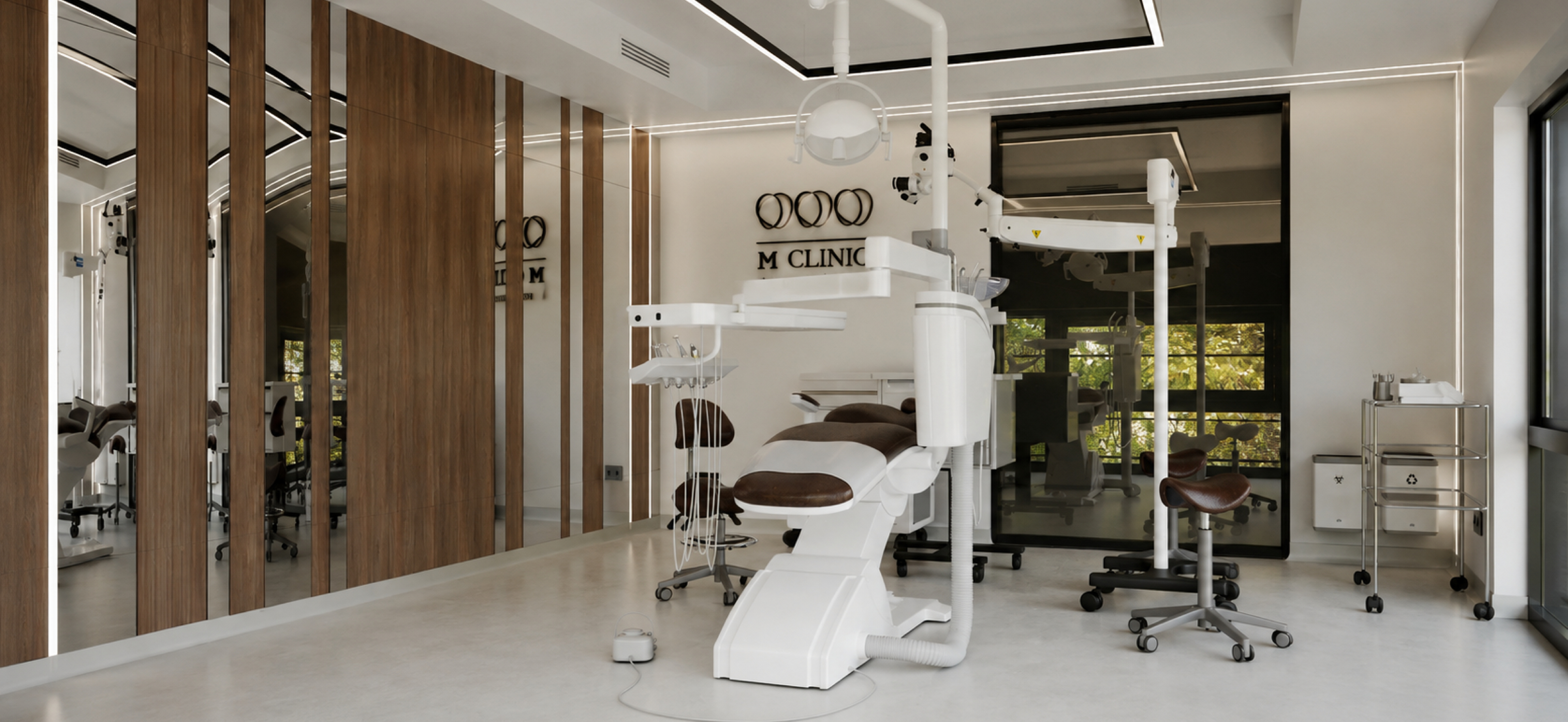
M Clinic
Tbilisi, Georgia
M Clinic is a dental practice in the Saburtalo district of Tbilisi, with its published address in Tbilisi Gardens on Mikheil Asatiani street. Its official presentation emphasises preservation of natural teeth, restoration of function and use of microscopic and digital methods. The clinical directory includes therapeutic dentistry, endodontics, periodontology, pediatric dentistry, prosthodontics, orthodontics, implantology and oral surgery. The clinic describes its market positioning as premium, which is a provider statement rather than an independent comparison of all local treatment prices. The technology section names Sirona Primescan, 3Shape and iTero scanners for obtaining digital dental records. It also identifies Planmeca ProMax tomography and a CJ Optics microscope. These systems have different roles: scanning contributes to digital impressions and planning, tomography records dental and jaw anatomy, and magnification supports detailed clinical work. The reviewed equipment list does not name a CEREC milling unit or ceramic-processing furnace. Its confirmed digital capability therefore should not be expanded into an unsupported claim of in-house CEREC manufacture. The practice connects microscopic dentistry with its aim of retaining existing teeth. Therapeutic services include caries treatment, fillings and root-canal work, with microscope use explicitly described. Periodontal care includes professional hygiene, treatment of periodontal pockets and gum-recession management. The official service list separates those procedures from aesthetic and prosthetic work, allowing preparation of the supporting tissues and preservation of dental structures to be considered before the final restoration. Prosthodontic offerings include zirconia crowns, bridges, dentures, temporary crowns, digital wax-up and smile design. Digital planning and scanning also appear as priced services rather than simply as general promotional terms. Implantology uses named Megagen and Straumann systems, with the tariff distinguishing implant components, gum shapers, abutments and augmentation procedures. These separate items help explain why the price of one component cannot be treated as the final charge for a completed implant-supported tooth. Orthodontic options include metal, ceramic and Damon appliances as well as Invisalign aligners. Retainers, night guards and muscle-relaxing splints appear among related services. Pediatric care covers adaptation visits, hygiene, fissure sealing, fillings and treatment of primary teeth. The surgical menu includes extractions and preparatory procedures such as preservation of the extraction socket, bone augmentation and sinus lifting. The published team directory identifies endodontists, periodontal surgeons, orthodontists, therapists and oral surgeons, with education and experience listed for individual clinicians. M Clinic publishes appointment hours, direct telephone and messaging channels, an English-language service directory and an online cost calculator. The calculator explicitly describes its totals as estimates, with the final cost confirmed after examination. Its published prices can support an initial comparison, but the individual plan still needs to identify which procedures, materials and appointments are required. The organisation also describes attention to sensible resource use and environmental responsibility as part of its operating approach, alongside its clinical focus on maintaining natural teeth.
MaryClinic
Yerevan, Armenia
MaryClinic is a dental and aesthetic center with published clinical addresses in Yerevan on Arno Babajanyan and Griboyedov streets. Its official directory includes implantology, prosthodontics, therapeutic dentistry, orthodontics, periodontal care, oral surgery and pediatric dentistry. Digital laboratory work is presented as an integrated part of the organisation rather than only as a service purchased from an unnamed external supplier. Patients can use the individual contact channels to confirm the location responsible for their proposed care. The laboratory page identifies MEDIT i700 intraoral scanning and a MEDIT i310 laboratory scanner. It names Roland CAD/CAM equipment for manufacture, an Ivoclar ceramic furnace, a Tabeo furnace for zirconia processing and a Phrozen Sonic Mini printer. These published components document an alternative digital workflow without establishing that the practice uses Sirona CEREC. The scanner, design stage, milling and ceramic processing have distinct roles, so the equipment is described by the names and functions the institution actually publishes. MaryClinic explains a sequence beginning with digital dental records, followed by virtual modelling, manufacture and finishing by a technician. The laboratory information discusses crowns, veneers, prosthetic structures and orthodontic appliances. It advertises rapid production for suitable restorations, while also stating that preparation time depends on the scope of the work. The clinic's own descriptions therefore support asking about the particular material and production route instead of assuming that every reconstruction has the same timetable. The prosthodontic directory includes metal-ceramic, pressed-ceramic and zirconia crowns, ceramic veneers, inlays, onlays and temporary restorations. Implant-related information distinguishes immediate temporary teeth from the subsequent treatment course. A separate official page describes fixed temporary teeth after suitable implant surgery; that is different from a universal promise that definitive full-arch rehabilitation and healing are completed in one day. Diagnostic assessment, bone conditions and the proposed prosthesis remain part of the individual plan. The broader clinical menu includes tooth-preserving treatment and root-canal care, with microscopy described on a dedicated service page. Periodontal and surgical procedures appear separately from aesthetic restorations. Orthodontic options include metal, ceramic and self-ligating appliances, while children's services cover preventive and restorative care and selected treatment under general anesthesia. The organisation also publishes information about computed tomography, smile design and whitening, allowing patients to compare diagnostic and clinical services alongside the laboratory equipment. The English-language price list publishes individual service amounts, and other official treatment pages explicitly identify US-dollar pricing. Crowns, implant placement, diagnostic imaging and orthodontic services have separate entries, with many prices stated as starting amounts. The final proposal should confirm the payment currency, included components, preparatory work and appointments. MaryClinic provides appointment and consultation channels together with daily opening information. Before travelling, patients can request a plan that links the clinical location, responsible team and manufacturing schedule with the complete treatment estimate.
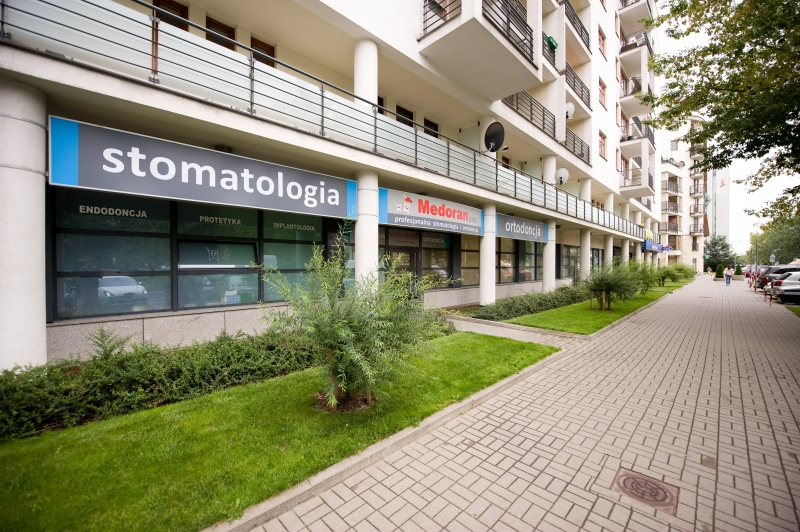
Medoran Plus Mokotów
Warsaw, Poland
Medoran Plus Mokotów is a dental practice in Warsaw with its published address on Bukowińska street. Its official introduction dates the organisation's activity to 1999 and presents treatment across orthodontics, implantology, restorative dentistry and prosthodontics. The organisational information also identifies children's dentistry, periodontal and oral-mucosal care, oral surgery under local anaesthesia and dental radiography. These categories establish a wider outpatient scope than the short technology label in the original catalogue request. The practice explicitly documents Sirona CEREC CAD/CAM in its three-dimensional prosthodontics service. The Polish explanation describes two ways to obtain a digital model: scanning a cast made from an impression or, in suitable cases, direct intraoral scanning. A technician then designs the restoration in software before a dedicated machine cuts it. The English service page likewise describes digital scanning followed by manufacture of a metal-free restoration. Specific scanner and mill model names are not supplied in the reviewed institutional material. Treatment timing is described with an important distinction. The Polish page gives about three days as an average manufacturing interval, depending on the work and the patient's clinical circumstances, while allowing that a suitable single crown may be completed in one appointment. This supports selected single-visit availability without turning it into a universal promise. Extensive preparation, surgical healing or treatment involving several specialties may have a different timetable from the fabrication of one crown. Restorative options include full-ceramic crowns, conventional and implant-supported prostheses and removable dentures. The published tariff separates consultation, implant insertion, uncovering and subsequent reconstruction with an abutment and crown. Osstem Active is named for implant placement, with further options discussed directly with the practice. Digital manufacture can therefore be assessed within the whole reconstruction plan, including how the implant, supporting components and final material will be combined rather than comparing only an isolated advertised procedure. The orthodontic service includes fixed metal, aesthetic and self-ligating appliances, with additional systems and adjustment appointments priced through the practice. Conservative dentistry covers fillings, temporary repairs and reconstruction after root-canal treatment. Endodontic prices vary by canal count and the tariff notes that anaesthesia and radiographs are charged separately. Preventive services include sealing, fluoride application and professional hygiene; oral-surgical care ranges from extraction to more complex impacted-tooth and sinus-related procedures. The official tariff is selective and indicative, with current prices confirmed in the clinic. Direct contact information and the Mokotów gallery help patients identify the practice and arrange consultation. A written proposal can specify the diagnosis, chosen restorative system, laboratory stages, necessary preparation and review appointments. That is particularly useful when planning a short visit around CEREC treatment: the documented possibility of a single-appointment crown should be confirmed for the proposed tooth and material together with the broader treatment schedule.
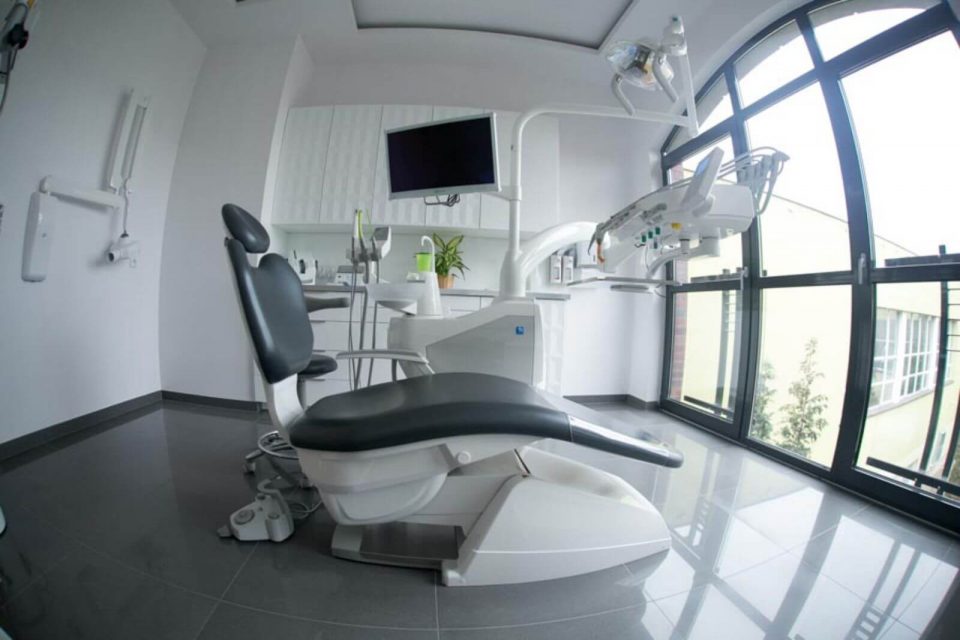
Medycyna SimClinic — Dentistry
Gdańsk, Poland
SimClinic's dental practice is located in Gdańsk's Wrzeszcz district, on the first floor of Centrum Kuźniczki on Wajdeloty street. The official dental website links directly to the wider Medycyna Simclinic organisation, while publishing its own service directory, tariff, team and gallery. This profile focuses on the dental department; it does not assign the wider medical centre's specialist workforce or facilities to dentistry. The clinic's public history identifies the founding dental practice in 2015. CEREC is explicitly documented through a dedicated page about crowns made in one day. The institution describes Primescan intraoral scanning, computer-assisted restoration design and ceramic milling directly in the clinic. The digital record is used to plan the restoration before a milling machine produces it from a ceramic block, followed by finishing and placement. This confirms a local scan-to-manufacture process. The reviewed page names Primescan but does not identify the individual milling machine or furnace model, so those components are not given assumed product names. The same-day offering is presented for suitable restorative cases after diagnosis and an individual plan. It concerns the fabrication of a crown and should be distinguished from the duration of implant surgery, healing or extensive rehabilitation. The official tariff separately lists an express one-day ceramic crown, a standard ceramic or zirconia crown and an implant-supported crown. These distinctions allow patients to ask which material and manufacturing route have been proposed rather than treating all crowns as interchangeable. The broader dental menu includes conservative treatment, microscope-assisted endodontics, implantology, oral surgery, prosthodontics and pediatric dentistry. Surgical pages cover extraction, root-apex treatment, wisdom teeth and sinus-related preparation. Restorative options include veneers, inlays, onlays, removable dentures and reconstruction of the bite. The clinic also describes SmileNow orthodontic aligners and documents the scans, photographs and visualisation used in their planning. These services extend the practice beyond the CEREC procedure highlighted in the attachment. Preventive work includes hygiene, fluoride treatment and protective sealing. The pediatric section has introductory visits, fillings and procedures for primary teeth, while root-canal treatment and retreatment are priced separately. The clinical roster introduces dentists responsible for restorative, endodontic and other dental care, with administrative or wider medical personnel presented in separate contexts. A department or procedure-page list is not used as an audited total for the entire organisation. Selected official tariff items are published in Polish złoty, with implant placement and the later crown shown as separate services. The practice gives direct booking details, weekday opening hours and information for visitors arranging treatment during travel. Patients can confirm access to the first-floor practice and agree a written plan covering examination, diagnostic images, preparation, definitive materials and review. For a short visit around a CEREC crown, the appropriate tooth, appointment length and any additional treatment should be settled before the travel schedule is fixed.
Nawrocki Clinic
Gdańsk, Poland
Nawrocki Clinic is a dental centre in Gdańsk, with its current official contact address on Tadeusza Kościuszki Street. The institution traces its beginnings to Michał Nawrocki's private practice in 2001 and the creation of Nawrocki Clinic with Agnieszka Dojlidko-Nawrocka in 2015. Its clinical directory covers prevention, conservative dentistry, children's treatment, endodontics, prosthodontics, implants, oral surgery, orthodontics and periodontics. Dental physiotherapy and temporomandibular-joint care appear as separate services, connecting restorative planning with the function of the chewing system. The restorative department explicitly documents CEREC scanning, computer design and production of selected restorations during a single visit. It also states that the centre has its own on-site prosthetic laboratory. This is stronger evidence than the presence of an intraoral scanner alone: a digital impression is used to design a restoration, and the institution describes its manufacture and fitting within the same care pathway. Exact CEREC milling-unit and furnace models are not identified in the reviewed pages. The partner information separately names Primescan 2 and DS Core for scanning; that is not treated as an inventory of every manufacturing component. Prosthodontic services include full-ceramic CEREC crowns, porcelain veneers, bridges, removable dentures and implant-supported restorations. The consultation considers the bite, oral condition, intended appearance and the preparatory work required. The clinic describes cooperation between dentists and its technicians for shape, colour and fit. A selected crown completed during one appointment does not mean that every full-arch reconstruction, implant course or periodontal preparation can be completed on that schedule. The published Implant PRO package has a temporary restoration after surgery and a separate definitive zirconia bridge within its described scope. The public team directory contains twenty named dentists and four anaesthesiology doctors, with hygiene, nursing, laboratory, physiotherapy, reception and management listed separately. These are roster counts rather than audited full-time staffing. The service directory and tariff distinguish general anaesthesia, nitrous-oxide sedation and computer-controlled local anaesthesia. Anaesthesia support is not counted as an intensive-care unit, and the website does not establish an inpatient-bed or hospital-building capacity. Several prosthodontic biographies describe academic teaching and research, which provides professional context rather than a guarantee of treatment results. The official tariff separately prices assessment, imaging, treatment and restorative components. Examples are a CEREC full-ceramic crown from 3,000 Polish złoty, a ceramic CAD/CAM inlay or onlay from 2,550 and Astra EV or Ankylos implant placement from 3,700. The implant-supported ceramic crown with an individual hybrid abutment has its own starting amount, so it is not silently included in the fixture price. SIMPLANT guided planning is also described, with the surgical guide individually quoted. The clinic publishes weekday and Saturday appointment hours and separate telephone and email contact channels, allowing diagnostic visits, manufacture and follow-up to be coordinated before travel.
Nova Stomatologia
Kraków, Poland
Nova Stomatologia is an outpatient dental practice on Kobierzyńska street in Kraków. Its official service presentation combines prevention, conservative treatment, endodontics, oral surgery and prosthodontics. The team page also identifies orthodontic care for adults and children. Direct contact details, parking information and payment methods are published on the institutional website, allowing patients to identify the actual practice rather than relying on a similarly named directory listing or an assumed affiliation with a larger hospital. The clinical team includes Natalia Prysyazhna, whose official biography describes dental education in Ivano-Frankivsk and subsequent professional work in Poland. Olga Szymeczko-Książek is presented for conservative dentistry and microscope-assisted endodontics, while Rusłan Garnyk is introduced for orthodontics. Administrative and assisting roles are described separately. The three named clinicians form a public roster rather than an audited statement of the total workforce, and the profile preserves that distinction when presenting the available evidence. Diagnostic communication is part of the clinic's own explanation of how it works. The service page states that intraoral camera photographs are used before, during and after procedures so that patients can follow the findings. Magnification is described through loupes and a treatment microscope. These are documented clinical tools, but an intraoral camera is not the same device as a digital impression scanner. The reviewed pages do not establish CEREC, a CAD/CAM milling unit or an in-house ceramic manufacturing laboratory. The institution separately publishes information about its dental radiography facility. That source identifies a stationary X-Mind DC intraoral X-ray unit from de Gotzen and describes the authorised radiographic activity. It supports a specific imaging capability rather than a claim that all advanced three-dimensional scanners are available. The distinction matters when a patient is comparing records needed for endodontic, orthodontic or restorative assessment: the appropriate study and any need for additional imaging should be confirmed with the treating clinician. Restorative and preventive care are presented as part of a comprehensive approach rather than one isolated cosmetic service. The official text discusses explaining procedures and making time for questions. Children's introductory visits are intended to involve parents in age-appropriate hygiene habits and familiarisation with dental care. Microscopic root-canal treatment and conventional conservative work are described alongside the wider surgical and prosthodontic offering. The service page also lists a separately priced consultation-dependent procedure for managing bruxism with botulinum toxin, without establishing that it is suitable for every patient. The reviewed website publishes that individual procedure price but does not provide a complete fixed tariff for every course of dental treatment. Other costs therefore require an individual proposal. Patients can arrange consultation through the clinic's direct telephone or email contacts and ask for the diagnosis, materials, required records, clinician and appointment sequence in writing. For travel planning, the absence of documented CEREC manufacture should be respected: no single-visit ceramic production or laboratory timetable is assumed from the practice's use of imaging and magnification.
PerioMax Clínica Dental
Alicante, Spain
PerioMax is a dental clinic in central Alicante whose published clinical profile combines periodontics, dental implantology and oral and maxillofacial surgery. Its premises are on Reyes Católicos street. The practice was founded by Andrés Valdés Navarro and describes a working relationship between successive generations of clinicians. Its public team directory names the founder as technical director, Andrés Valdés Beltrán as a maxillofacial surgeon and dentist, and Andrés F. Gandolfo as a periodontist. Dental hygienists are listed separately, making the distinction between dentists and supporting clinical personnel clear. Digital restorative dentistry is a particularly well documented part of this clinic's offering. PerioMax identifies a complete Dentsply Sirona CEREC system on its own technology page: Primescan for intraoral scanning, Primemill for manufacturing restorations and SpeedFire for the finishing stage of compatible ceramic workflows. The provider describes scanning, designing, milling and sintering within the practice. This supports a specific claim about chairside CAD/CAM capability, rather than an assumption based only on owning a digital scanner or using a dental laboratory that works with computer-aided design. The restorative services described include ceramic crowns, veneers and partial restorations, alongside fixed prostheses supported by teeth or implants and removable solutions. Its prosthodontic information distinguishes work manufactured in the clinic from extensive bridges and complex implant reconstructions sent to a collaborating laboratory that also uses CAD/CAM. That distinction matters when comparing treatment schedules: the clinic's published single-visit proposition concerns suitable restorations and does not establish that every full-mouth reconstruction or implant treatment is completed during one appointment. Periodontal assessment is presented as part of planning restorative care. The practice describes evaluating the tissues that support the teeth before deciding how a prosthesis should be retained, and treating periodontal disease when it affects the proposed restoration. Its wider service menu includes conservative treatment for damaged teeth, orthodontics with brackets or transparent aligners, pediatric dentistry, aesthetic dentistry and digital smile design. These published services give the clinic a broader scope than the CEREC equipment alone and connect the restorative work with continuing dental maintenance. The diagnostic equipment list names Orthophos digital radiology with two-dimensional and three-dimensional imaging. Prevention and professional hygiene are supported by an EMS Airflow Prophylaxis Master and the clinic's Guided Biofilm Therapy offering. Its facilities information also describes two equipped treatment rooms, ultrasonic instrument cleaning and autoclave sterilisation. Treatment rooms are not hospital buildings or inpatient beds, so they are recorded as a facility detail rather than converted into unsupported hospital capacity figures. PerioMax's official contact information provides direct appointment channels and its Alicante address. The reviewed treatment pages explain the clinical options without publishing one comprehensive price for every patient's care. Patients can request a proposal relating the practice's named services and digital systems to the findings of their own examination. The appropriate restoration, manufacturing route, number of visits and associated charges remain part of the clinic's assessment and written treatment proposal.
Richter’s Clinic
Tbilisi, Georgia
Richter's Clinic is a dental and facial-aesthetic provider in Tbilisi. Its official website describes a team working across implantology, prosthodontics, orthodontics, periodontics, endodontics, professional hygiene and aesthetic dentistry. The clinical menu ranges from consultation and tooth fillings to veneers, crowns, removable dentures and full-mouth rehabilitation assessment. It also includes pediatric dental services, which appear in the official price list alongside the adult treatment categories. Digital diagnosis and planning are described with named equipment. The clinic identifies Planmeca computed tomography, Dentsply Sirona and iTero intraoral scanners, a ZEISS dental microscope and Ritter dental units. AIRFLOW and Acteon systems are listed for professional hygiene. The scanners provide digital dental records, while tomography and magnification serve different diagnostic and treatment roles. The reviewed institutional pages do not name an in-house CEREC milling unit and ceramic furnace, so the confirmed equipment should not be presented as a complete CEREC manufacturing chain. Implant treatment is explained as a staged process beginning with consultation, medical history and tomographic assessment. The practice lists placement of implants, supporting procedures such as bone augmentation or sinus lifting, and subsequent prosthetic components. Its published tariff distinguishes MIS, Neodent and Straumann implants and also separates temporary and definitive implant crowns. This itemised presentation is useful for comparing proposals because the implant, abutment, crown and any additional surgery are not necessarily one inclusive purchase. The restorative service includes zirconia crowns, pressed-ceramic veneers, inlays, temporary crowns and removable prostheses. The pricing page explains what is included in the listed prosthodontic work, such as tooth preparation, impressions, try-ins, bite adjustment and delivery. Laboratory wax-up and digital scanning are listed separately among planning services. Patients can ask how those items will be combined in their proposed reconstruction and where the final restoration will be manufactured. Orthodontic services include conventional metal brackets, clear brackets, self-ligating Damon appliances, lingual braces and transparent aligners. Invisalign appears as a named option. The tariff also distinguishes diagnostic planning, scanning, adjustment appointments, retention and protective splints. Periodontal treatment, microscopic root-canal work, professional cleaning and whitening are documented in separate categories, giving the clinic a broader scope than an implant or aesthetic-only listing. Facial-aesthetic services are presented separately from dentistry and include clinician consultation, fillers, botulinum toxin procedures and APTOS thread lifting. Official contact information identifies the Beliashvili address and direct booking channels. The clinic states that prices are indicative and confirmed following examination, with each patient's diagnosis, recommended procedures, sequence, expected visits and costs forming an individual plan. Its published tariff makes selected service prices available, while a complete treatment budget still depends on the clinical findings and chosen materials.

Stankowscy & Białach Stomatologia
Poznań, Poland
Stankowscy & Białach Stomatologia is based on Pilska Street in Poznań. The clinic publishes a named professional team and a detailed dental tariff covering assessment, hygiene, restorative treatment, implants and orthodontics, including distinctions between diagnostic consultations and complete treatment plans. Stankowscy & Białach Stomatologia is a dental clinic on Pilska Street in Poznań, with an entrance identified from Mogileńska Street. Its official contact page gives weekday appointment hours and separate telephone, messaging and email routes. The service information connects assessment, preventive care, restorative treatment, prosthodontics, implantology and orthodontics. The clinic publishes several differently scoped consultation packages. Its extensive examination describes assessment for caries using magnification, periodontal problems, tooth mobility, bite-related issues and the temporomandibular joint. It also includes photographic documentation and specified radiographic investigations. The profile reports these as the provider’s described assessment components rather than assuming every component is required for every patient. The consultation information distinguishes a broad examination from more focused appointments concerning healthy teeth, jaw-joint function, orthodontics and prosthetic restoration. The orthodontic pathway includes assessment of tooth alignment and related structures, while children’s consultations have their own description. These are different diagnostic purposes, not interchangeable versions of one complete treatment course. The published consultation pathway ends with a discussion of findings and a preliminary plan. Some imaging is included in a defined package, while other images or additional investigations are listed as separate charges. This financial distinction is kept visible so that the price of a consultation is not presented as including every possible diagnostic test or subsequent intervention. The tariff also covers professional hygiene, restorative procedures, implants and orthodontic treatment. The clinic states that computer-controlled local anesthesia using The Wand is supplied without an additional charge for its procedures. That statement concerns the provider’s dental anesthesia arrangement; it does not establish a general hospital anesthesia department or an intensive-care unit. The contact information identifies accessibility, patient parking, card payment and installment options. Financing is described through a bank arrangement with separate conditions, not as an automatic entitlement for every visitor. The official professional and tariff information supports an appointment-based dental clinic with several consultation and treatment pathways. It does not supply an unambiguous current count of inpatient beds, physical buildings or full-time clinical doctors, so those figures are not inferred from promotional claims, the number of treatment categories or patient testimonials. The institution reports the following clinical and infrastructure information: outpatient care: Yes. The scope and reporting period remain those of the linked institutional sources. The provider publishes these named service prices: Advanced examination and consultation: 990 PLN. The comprehensive consultation described in the tariff; focused appointments and later treatment have separate charges.
Warsaw Dental Center
Warsaw, Poland
Warsaw Dental Center is an outpatient dental institution on Topiel street in central Warsaw. Its official clinical directory combines general dentistry, microscopic endodontics, prosthodontics, implant surgery, orthodontics, periodontal treatment and aesthetic restoration. The practice publishes information in Polish and English, with a team presentation and direct appointment channels. The service range also includes dental physiotherapy, management of bruxism and treatment with sedation or general anaesthesia, rather than being limited to the implant and laboratory claims in the original request. Its technology page explicitly identifies Dentsply Sirona CEREC CAD/CAM for crowns and bridges, with suitable restorations available on the same day. This is stronger documentation than a scanner or manufacturer logo alone because the provider describes a restorative manufacturing service. The reviewed material does not name the individual scanner, milling unit or ceramic furnace models. The profile therefore records the CEREC offering without assuming a particular Primescan, Primemill or SpeedFire configuration. Other named equipment serves separate clinical purposes. Leica and ZEISS microscopes are described for detailed dental work, while Morita Veraview X800 provides two-dimensional and three-dimensional imaging. The general-dentistry material also identifies intraoral scanning and three-dimensional printing. These tools support diagnosis, records and restorative planning; their presence does not determine which imaging or manufacturing steps an individual patient requires. The clinic's promotional claims about perfect results are not treated as outcome guarantees. The restorative menu includes crowns, bridges, ceramic veneers, partial restorations and dentures. Its tariff distinguishes a longer-term temporary CAD/CAM crown from short-term temporary work and definitive ceramic restorations. This distinction matters when comparing materials and prices: an interim crown is not automatically the final prosthesis. The proposed plan can specify which restoration will be made through the CEREC route, whether preparation is needed and how the bite and supporting tissues will be assessed. Implant services name Straumann and include bone reconstruction, sinus-floor elevation and subsequent prosthetic work. The surgical directory also covers extraction, impacted wisdom teeth, recession coverage and root-apex procedures. Microscopic endodontics distinguishes initial treatment from retreatment and removal of a broken instrument. Orthodontic options include fixed appliances and Invisalign, with assessment, follow-up and retention separately documented. Periodontal and preventive care complement these services within a coordinated treatment proposal. The official price list is in Polish złoty and explains that patients receive estimated costs when several appointments are planned. Selected procedures have fixed or starting prices, while the complete budget depends on the recommended work. Contact information identifies weekday appointments at the Topiel practice. Before arranging a visit, patients can confirm the responsible clinician, restorative materials, laboratory stages, anaesthetic requirements and follow-up. A suitable same-day CEREC restoration should be agreed within that wider plan, particularly if surgical healing, periodontal treatment or orthodontic correction is also involved.