Neurosurgery
Brain and nervous system surgery
Sector Summary & Scope
This report covers our global network of accredited hospitals specializing in Neurosurgery. We have identified 34 leading providers that meet international clinical protocols, offer bilingual coordinators, and deliver premium inpatient accommodations.
Accredited Network Providers

Acıbadem Altunizade Hospital
Istanbul, Turkey
Acıbadem Altunizade Hospital is a multidisciplinary institution in Istanbul's Üsküdar district, on the Asian side of the city. It opened in March 2017 as part of the Acıbadem healthcare group. The hospital's own Turkish-language overview reports 350 beds, including seventy-five intensive-care beds, within 98,000 square metres of enclosed space. Intensive care is divided into neonatal, paediatric, coronary, cardiovascular-surgical and general units. These figures describe the Altunizade institution rather than the combined capacity of the group's other hospitals and clinics. The local overview identifies oncology, neurosurgery, cellular therapies, robotic surgery, bone-marrow transplantation, cardiac care, spine care, breast services, dentistry and rehabilitation. Cancer care combines surgical, medical and radiation-oncology assessment. Imaging and treatment equipment named for this hospital includes PET-CT, SPECT-CT, three-tesla MRI, Tomotherapy and Gamma Knife Icon. The institution also describes a hybrid operating environment connecting advanced imaging with surgery. The clinical plan determines which technology is relevant; the equipment list alone does not establish suitability for every diagnosis. International enquiries are organised through the group's patient centre. Its stated process begins with medical reports and a description of the problem, followed by specialist review, a proposed plan and an itemised written estimate. The coordinator can help identify the appropriate hospital and department before travel. This distinction matters in a large network: a technique or clinician available elsewhere in the group is not automatically located at Altunizade, and the final appointment should identify the actual treating institution and team. The international service description includes assistance with visa letters, transfers, nearby accommodation, interpretation and insurance or billing questions. These are coordination services whose inclusion can be agreed with the treatment proposal, rather than an assumption that every associated travel cost is covered. It also describes discharge documentation and remote follow-up after the patient returns home. Establishing the local recovery period, review dates and the contact responsible for later questions connects hospital treatment with the practical continuity of care across countries. Acıbadem's official preparation guide asks patients to collect prior investigation results, imaging and relevant medical history. It also recommends bringing a list of regular medicines, including non-prescription and herbal products, and checking insurance coverage for the intended clinician as well as the hospital. Preparing questions before the visit and arranging an accompanying person where necessary are part of the same checklist. These instructions explain how an existing diagnostic record can be brought into the consultation instead of treating the appointment as an isolated procedure purchase. The appointment guide allows selection of the hospital, department, date and available time through the official booking pathway. The hospital also publishes direct contact details and a price-enquiry channel. A universal fixed treatment tariff was not established by the reviewed sources, and group-wide physician totals are not assigned to this one campus. The profile therefore preserves verified clinical capacity while leaving unpublished building and physician counts explicit, with individual treatment costs confirmed in writing after assessment.
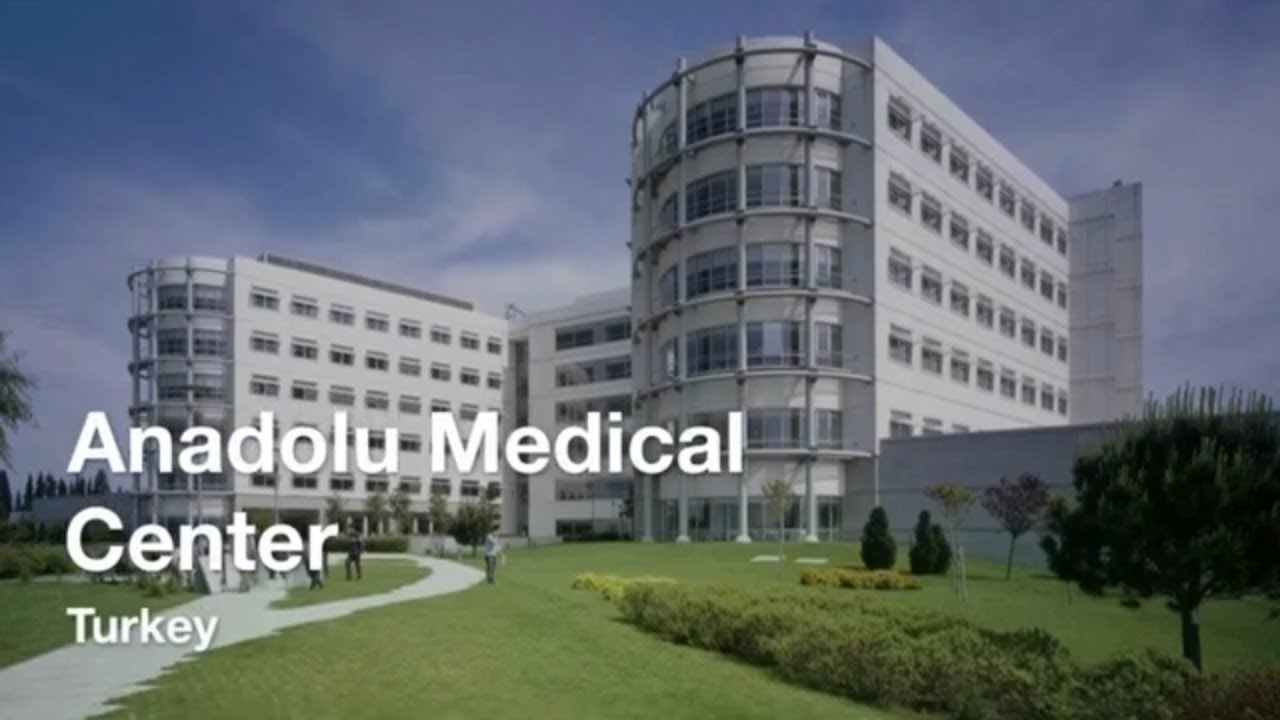
Anadolu Medical Center
Gebze, Turkey
Anadolu Medical Center is based in Gebze and combines specialist inpatient medicine with diagnostic and surgical services. Its patient information distinguishes room options and intensive-care capacity; clinical expertise and institutional research are supported by separately documented professional material. Anadolu Medical Center’s Gebze hospital brings specialist consultations, diagnostic work, surgery and inpatient treatment into one clinical organization. Its official patient information identifies a total capacity of 201 beds including intensive care. The accommodation page distinguishes ordinary patient rooms from VIP rooms, with eight rooms assigned to the latter category. The room information describes an introduction to the room and its equipment by the nurse and ward patient adviser. It also explains practical infection-control arrangements for the inpatient environment. These details establish an organized ward pathway and separate accommodation choices; they are not a claim that the hospital contains eight buildings or that all of its beds are in premium rooms. The intensive care department describes continuous support for patients meeting its admission criteria. The examples in its official explanation include people needing close observation after surgery, serious infections, poisoning, sudden neurological deterioration and significant trauma. Laboratory investigations and imaging for admitted intensive care patients can be performed at any time of day. The department connects monitoring and organ-support needs with access to diagnostics and physicians from different disciplines. The official intensive care directory identifies the Gebze service and its physicians. This local identification matters because an institutional service page is different from a generic account of intensive medicine. The provider’s description supports the existence of an intensive care service at this hospital, while the total bed figure includes critical-care capacity rather than adding it to the overall hospital number a second time. The center publishes individual professional profiles with education, training and scientific bibliographies. The profile of general surgeon Ayhan Erdemir includes work concerning laparoscopic colorectal cancer surgery. Such a bibliography documents the practitioner’s professional and scientific activity. It does not, by itself, establish a currently recruiting trial or suggest that every published procedure is offered to every patient. The official site also provides a medical second-opinion form through which existing test results, a diagnosis and possible treatment options can be submitted for review. Patient feedback and home-care enquiries have separate contact routes. Together with the room and intensive-care information, these materials describe several distinct points in the center’s organization: assessment before treatment, admission when indicated, specialist inpatient care and communication with the institution. The institution reports the following clinical and infrastructure information: outpatient care: Yes; inpatient beds: 201 (Includes intensive-care capacity.); intensive care / resuscitation: Yes. The scope and reporting period remain those of the linked institutional sources. Anadolu Medical Center’s official profile for general surgeon Ayhan Erdemir includes scientific publications and specialist training. The bibliography covers topics such as laparoscopic colorectal cancer surgery. Publications in an individual physician’s career are distinguished from trials currently recruiting at the hospital.
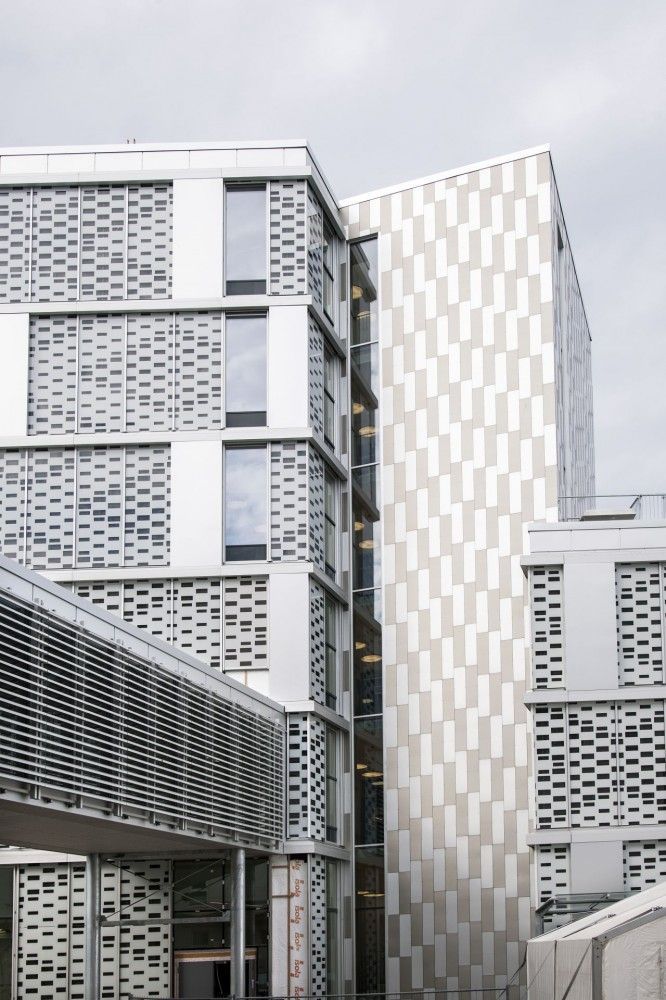
Arithera Zagreb
Zagreb, Croatia
Arithera in Zagreb combines orthopedics, physical medicine, rehabilitation and spine care. Its hospital brochure distinguishes ward, recovery and intensive-care beds, while the published consultation tariff separates specialist assessment from the individually quoted cost of surgery. Arithera is a Zagreb specialist hospital whose official information connects orthopedics, physical medicine, rehabilitation and spine care. The institution describes an integrated pathway from assessment through an intervention, where indicated, and subsequent recovery. It is part of Arsano Medical Group, while its own hospital brochure and tariff provide local service and infrastructure information. The patient brochure describes twenty-one care places divided into fifteen beds in single or double patient rooms, four recovery-room beds and two intensive-care beds. This is a clearly differentiated configuration. Recovery places and intensive-care beds are not presented as ordinary ward beds, and the individual categories remain visible rather than being collapsed into an unexplained number. The accommodation information identifies wireless internet, television and a call system for medical staff. The hospital describes meals that can be adapted for health-related or other stated dietary needs. Its daily program includes diagnostic, therapeutic, nursing and rehabilitation activity. These are practical elements of the hospital stay, separate from claims about the speed or completeness of recovery. The brochure explains the anesthesiologist’s role in assessment before surgery, anesthesia during the procedure and postoperative observation and pain management. Nursing staff contribute to preoperative preparation, treatment, personal care and postoperative recovery. The institution also describes education concerning activity after discharge, linking inpatient care with subsequent rehabilitation. The professional-team page identifies physiotherapists and a personal care-coordination service. The latter provides a contact across different phases of treatment and rehabilitation and answers organizational questions about appointments and prices. This is an administrative and support role, distinct from the clinical judgment of the treating specialist. The published consultation tariff separates orthopedic, physical medicine, spine, neurosurgical, vascular, pain and anesthesia assessments. It states that other procedures require a direct enquiry, and promotional reductions have their own terms. A specialist consultation charge is therefore not used as the price of surgery or an entire rehabilitation course. The hospital’s institutional description, patient brochure, team information and tariff together support a source-based account of its musculoskeletal focus, care organization and differentiated inpatient resources. The institution reports the following clinical and infrastructure information: outpatient care: Yes; inpatient beds: 21 (15 ward, 4 recovery and 2 intensive-care beds; brochure 2024.); intensive care / resuscitation: Yes · 2 intensive-care beds. The scope and reporting period remain those of the linked institutional sources. Arithera describes an integrated approach to musculoskeletal conditions combining orthopedics, physical medicine, rehabilitation and spine care. Its institutional information identifies the hospital as part of Arsano Medical Group. These service descriptions are distinguished from independently evaluated clinical study results. The provider publishes these named service prices: Orthopedic specialist consultation: 95 EUR. Base tariff valid from 1 June 2026; the provider also advertises a conditional discount. Physical-medicine specialist consultation: 88 EUR. Base tariff; promotional reductions should be confirmed when booking.
Asan Medical Center
Seoul, South Korea
Asan Medical Center is a multidisciplinary hospital in Seoul's Songpa district and the principal hospital of the ASAN Foundation's medical network. Its institutional introduction dates its establishment to June 1989 and connects clinical treatment with research, education and the foundation's social-welfare mission. The published capacity is 2,446 beds. This figure belongs to the Seoul medical center; the foundation's wider network of hospitals should not be treated as the capacity of this individual institution. The official department directory demonstrates a clinical scope extending well beyond the specialities most often associated with international referrals. It lists oncology, radiation oncology, cardiology, thoracic and cardiovascular surgery, neurology, neurosurgery, orthopedics, gastroenterology, nephrology, urology, rheumatology, dermatology, ophthalmology, obstetrics and gynecology. Surgical services include colorectal, hepatobiliary, pancreatic, vascular and breast surgery. Emergency medicine, anesthesiology, pain medicine, rehabilitation and diagnostic disciplines appear as separate departments, supporting the management of patients whose needs cross several specialties. Organ transplantation is explicitly represented in the directory through liver, kidney and pancreas services. The hospital also presents dedicated cancer, heart and children's services. The pediatric critical-care information describes distinct acute and growing-care areas and isolation arrangements, confirming intensive-care capability without implying that every inpatient bed is an intensive-care bed. The appropriate clinical destination depends on the condition being assessed, so international patients can request review by the relevant department rather than selecting a hospital only from a general list of treatments. Research forms a substantial part of the institution's own description. It identifies the Asan Institute for Life Sciences and Clinical Research Center and describes work connecting basic medicine, clinical studies, industry collaboration and medical engineering. Published research themes include anticancer treatment, medical robotics and devices, molecular imaging, chronic disease and infection. These describe the organisation's research activity; access to a specific clinical study or investigational intervention remains separate from an ordinary appointment request and depends on the study's own criteria. International patient support includes appointment coordination, language assistance and a dedicated billing contact. The current contact page lists interpretation in English, Japanese, Chinese, Russian, Mongolian, Arabic and Vietnamese. The hospital provides separate channels for treatment enquiries, financial questions and professional education. Its location information identifies the Songpa campus, local transport connections and shuttle services, helping patients plan access to the medical center after a consultation has been arranged. The billing page distinguishes patients using Korean national insurance from those relying on private international coverage. Direct billing depends on the insurer, the individual policy and any required guarantee of payment, with exclusions confirmed before treatment. Patients can request an individual financial assessment and clarify the documentation required for reimbursement. These arrangements describe how payment may be coordinated; they do not establish a single hospital-wide treatment price. A written proposal should identify the department, proposed investigations, treatment stages and expected charges for the particular case.
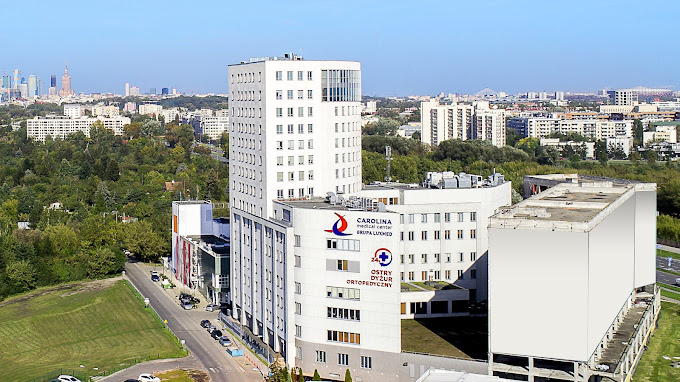
Carolina Medical Center
Warsaw, Poland
LUX MED Szpital Carolina specializes in musculoskeletal and related surgical care. Its patient pathway begins with specialist assessment and, when appropriate, anesthesia consultation and planned admission; official patient guidance explains recovery, medical rounds and follow-up arrangements. The Warsaw Carolina hospital is part of LUX MED’s specialist hospital organization. Its official consultation directory gives particular prominence to orthopedics, including pediatric orthopedics, spine-related neurosurgery, hand surgery and rehabilitation-related assessment. The directory also includes other specialties that support diagnosis, qualification for an intervention and management of associated medical conditions. The consultation service names adult and pediatric ear, nose and throat care, pediatric surgery, neurology, internal medicine, phoniatrics, audiology, allergy and respiratory medicine. Vascular surgery, psychology, rheumatologic-orthopedic assessment and orthotic advice are also listed. The published count of more than sixty specialists concerns the Carolina hospitals collectively; it is not used here as a verified headcount for the Warsaw building alone. The first-visit description explains that a specialist takes a medical history, performs an examination and, where indicated, requests imaging. Depending on the diagnosis, the resulting pathway may involve medication, rehabilitation or surgery. This is a staged specialist assessment rather than an assumption that everyone attending an orthopedic consultation will need an operation. For planned surgery, the hospital describes qualification involving the operating specialist and an anesthesiologist. Its patient information says that the preoperative consultation is normally arranged roughly one and a half to two weeks before an elective procedure. The anesthesia assessment takes account of existing medical records, medication and relevant accompanying illnesses. Additional specialist consultations can be requested as part of qualification. During an inpatient stay, the published arrangements include medical rounds in the morning and evening as well as consultations when necessary. A bedside call system allows a patient to request nursing help. The hospital’s guidance also covers food, discharge and subsequent follow-up, showing that its published pathway extends beyond the technical performance of an intervention to the organization of recovery and continuing care. The Warsaw clinician directory identifies individual practitioners and their appointment locations. One named orthopedic consultation is published for the Pory Street site in Mokotów, providing a concrete example of a service associated with a particular doctor and address. The financial information accepts payment in Polish złoty by cash, card or bank transfer and describes installment options separately. These arrangements belong to the hospital’s published administration of services, while the clinical plan remains linked to the specialist assessment. The institution reports the following clinical and infrastructure information: outpatient care: Yes. The scope and reporting period remain those of the linked institutional sources. The provider publishes these named service prices: Orthopedic consultation · Łukasz Luboiński: 400 PLN. Warsaw Mokotów, Pory 78; the price applies to this doctor and consultation.
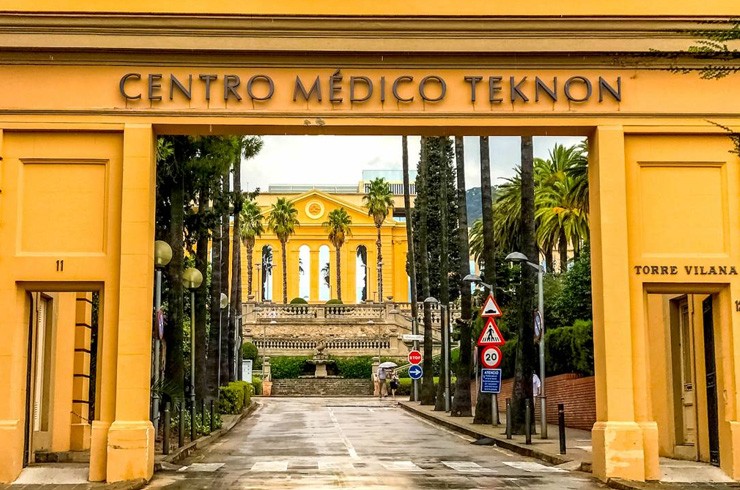
Centro Médico Teknon
Barcelona, Spain
Centro Médico Teknon combines a hospital with the Marquesa and Vilana consultation buildings in Barcelona. Its medical campus covers adult and pediatric specialties, with particular institutional emphasis on cancer care, cardiovascular medicine, trauma surgery and coordinated hospital support. The official campus directory identifies two consultation buildings, Marquesa and Vilana, containing 150 medical offices with connections to the hospital and parking. These are the consultation premises named by the provider, not a count of every structure on the campus. The institutional overview traces the opening of the current facilities to 1994 and describes interconnected areas within the Quirónsalud medical campus. The published medical scope covers adult and pediatric medical and surgical specialties. The institution specifically highlights oncology, cardiology and cardiovascular surgery, trauma and orthopedics, maxillofacial surgery, aesthetic surgery and neurosurgery. Its own description also identifies second-opinion advice as part of the medical service. These disciplines belong to a wider specialist organization rather than an assertion that each consultation office performs all procedures. The facilities directory separates inpatient rooms and suites, operating theatres, endoscopy, obstetric services, adult intensive care and neonatal intensive care. It also names the heart, oncology, neuroscience and respiratory institutes. Emergency arrangements are differentiated into adult, pediatric and cardiac care, with a specifically identified round-the-clock heart-attack pathway. Surgical and oncology day hospitals appear as separate treatment settings alongside inpatient accommodation. Diagnostic and support facilities include clinical laboratory testing, anatomical pathology and an assisted-reproduction unit. Reception and information points are identified within the campus, while the patient-service description distinguishes the two consultation buildings. Practical services, including cafeterias and other facilities, have their own locations and schedules. They are part of the hospital's published environment, not evidence that hotel-style services form part of every medical bill. The Institute of Regenerative Tissue Therapy describes scientific investigation of cell-based approaches and comparisons with other interventions. Its official research information states that clinical trials require prior authorization and oversight by research ethics committees and the relevant health authorities. That research context is kept separate from the institution's established clinical-service directory and from any decision about routine availability for an individual patient. The institution reports the following clinical and infrastructure information: outpatient care: Yes; doctors: 400+ (Medical specialists working on the campus.); buildings: 2 consultation buildings; hospital total not stated (Marquesa and Vilana; the hospital is additional.); intensive care / resuscitation: Yes. The scope and reporting period remain those of the linked institutional sources. Teknon’s Institute of Regenerative Tissue Therapy describes scientific studies of cell-based approaches and comparisons with other interventions. Its official page states that clinical trials are subject to prior authorization and oversight by research ethics committees and the relevant health authorities. Research status does not by itself establish routine treatment availability.
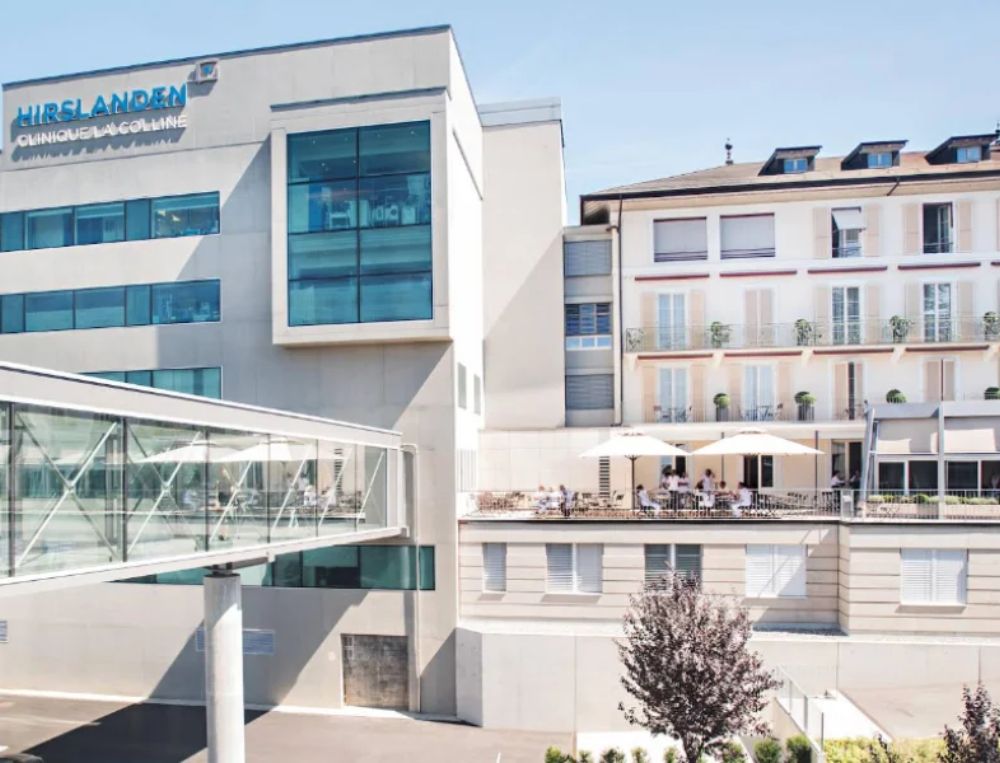
Clinique La Colline
Geneva, Switzerland
Clinique La Colline in Geneva publishes activity across orthopedics, sports medicine, neurosurgery, hand surgery and other specialties. Its statistical reporting identifies hospital capacity and medical affiliations, with year-specific data preferable to undated promotional counters. The clinic's own statistical reporting places orthopedics and sports medicine, neurosurgery and hand surgery among its principal inpatient activities. Ophthalmology, internal medicine and urology are also identified in the activity breakdown. These are specialty-specific measures of hospital work, not an assumption that every patient follows the same operative or admission pathway. The current key-figures page identifies hospital beds, inpatient patients, care days, average stay and employees as different indicators. It also displays an accredited-doctor category. The fiscal-year statistical sheet for April 2023 to March 2024 uses the more specific category of partner and employed physicians. That dated physician figure is retained in this profile rather than equating it with a newer, differently defined accreditation counter. The same statistical document reports activity for successive financial years. It distinguishes treatment days counted during the day from care days measured at midnight and gives separate bed-occupancy calculations for those measures. This illustrates why operational statistics require their original definitions. Neither measure can be read as a live record of available rooms or as a count of individual patients currently staying in the clinic. The publication separates non-physician employees from partner and employed doctors. Its patient figures and average length of stay describe hospital activity within the clinic's reporting boundary, rather than the entire Hirslanden group. Similarly, the historical bed figure in the fiscal-year table remains attached to that year, while the current institutional page is used for the present bed figure shown in the profile. La Colline is therefore represented as a Geneva private clinic with a documented concentration in musculoskeletal and related surgical care and additional medical specialties. Its institutional statistics provide a more precise basis for understanding the service profile than undated promotional totals. The sources used here document clinical scope and measured activity; they do not establish a current clinical-trial portfolio, an individual operation's outcome or a universal price applicable to all treatment at the clinic. The current specialty breakdown reports orthopedic and sports-medicine activity separately from hand surgery and neurosurgery, and also gives distinct figures for ophthalmology, internal medicine and urology. This is a provider-published distribution of inpatient work, preserving the clinical categories used by the clinic itself. The institution reports the following clinical and infrastructure information: inpatient beds: 89; doctors: 224 (Partner and employed doctors, financial year 2023/2024; newer web counter is a broader category.); outpatient care: Yes. The scope and reporting period remain those of the linked institutional sources.

Clinique Valmont
Montreux, Switzerland
Clinique Valmont focuses on neurological, orthopedic and spinal rehabilitation above Lake Geneva. Its medical organization includes physical and rehabilitation medicine, with therapy and recovery rather than general acute emergency treatment at the center of the institutional profile. Clinique Valmont is located in Glion above Montreux, overlooking Lake Geneva and the Alps. Its official institutional page traces its history to 1905 and describes its present focus as orthopedic and neurological rehabilitation. The clinical organization centers on functional recovery and coordinated therapy rather than the initial emergency stabilization of an acute illness. The published service list includes neurological rehabilitation, orthopedic rehabilitation, physiotherapy, occupational therapy, speech therapy, neurology and neuropsychology. Back rehabilitation is separately identified. These disciplines address different aspects of recovery, including movement, daily activities, communication and cognitive function, within the clinic’s multidisciplinary setting. The institutional page identifies a physical and cognitive therapy center, a neurocenter and a back rehabilitation center. It describes immersive therapies linked to everyday activities and a heated therapeutic pool. These are specific facilities and approaches in the clinic’s own presentation, rather than evidence that the same program or intensity is appropriate for every patient. The medical organization is led by a specialist in physical and rehabilitation medicine. The official leadership account states that Dr. Audrey Weaver joined the clinic’s outpatient physical and cognitive therapy work in 2024 and became medical director in May 2026. Her biography describes earlier neurological rehabilitation and research responsibilities at other institutions. Those previous appointments are kept distinct from research sponsored by Valmont itself. The clinic’s doctor directory identifies practitioners by specialty and includes physical and rehabilitation medicine, musculoskeletal pain, acquired brain injury and individualized assistive equipment among the listed interests. Its organization page separately names nursing, physiotherapy and patient-services leadership. This shows how medical supervision, therapy and the practical experience of a stay are represented within the institution. The official site also publishes professional education and clinical news, including developments concerning neurological conditions and musculoskeletal pain. Such material documents the clinic’s professional activity without establishing a universal treatment result. Reception and visiting information are presented separately from the clinical program. The profile therefore describes a rehabilitation institution with medical oversight, several therapy disciplines and defined facilities, while avoiding unverified claims about general emergency services, intensive care capacity or a whole-clinic doctor and bed count. The institution reports the following clinical and infrastructure information: outpatient care: Yes; inpatient beds: 60 (Institutional sales information dated 2022.); doctors: 6 (Institutional sales information dated 2022.). The scope and reporting period remain those of the linked institutional sources.
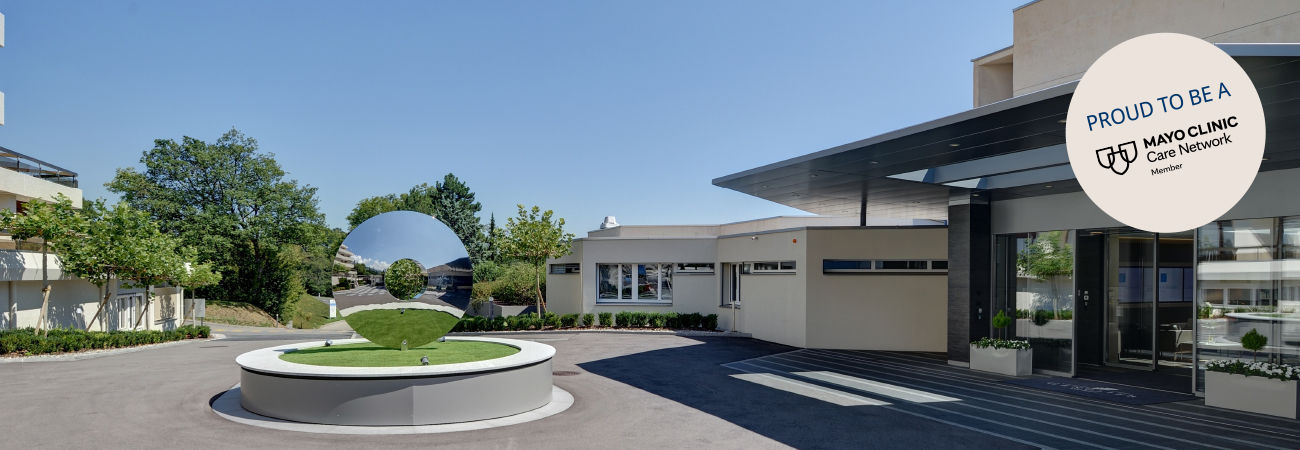
Clinique de Genolier
Genolier, Switzerland
Clinique de Genolier combines surgical care with radiology, radiotherapy, nuclear medicine and rehabilitation support. Its emergency center handles defined non-life-threatening presentations, and Swiss Medical Network identifies the clinic within its clinical and translational research organization. The clinic's infrastructure page identifies four operating rooms supporting specialties including orthopedics, trauma surgery, general and visceral surgery, gynecology, urology, ear-nose-and-throat surgery, plastic and reconstructive surgery, maxillofacial surgery and neurosurgery. Its account describes anesthesia consultation and an anesthesiology team available around the clock. These arrangements connect preoperative assessment with the operative setting rather than treating surgery as an isolated appointment. A hybrid catheterization room is described separately from the main operating suite. The official information identifies coronary angiography, electrophysiology and interventional radiology among its functions. Post-anesthesia recovery accommodation is also listed, including places for patients returning from the operating theatre and from catheterization procedures. These recovery places are not automatically counted as independent inpatient or intensive-care beds. The clinic publishes a distinction between two intensive-care bays and a continuous-care service with six single-room beds. The intensive-care bays have increased round-the-clock observation under anesthesiology supervision, while the continuous-care beds have telemetry monitoring. The difference between these categories is retained in the clinical facts and in the description of the provider's support services. Radiology, radiotherapy, nuclear medicine and physiotherapy are documented parts of the medical platform. Swiss Medical Network also identifies Genolier in its clinical and translational research organization, connecting the clinic with the Genolier Innovation Hub and scientific and academic partners. This records an institutional research environment without representing an investigational intervention as a routine component of every admission. The emergency center has defined opening hours and patient criteria. Its official page describes non-life-threatening urgent care seven days a week and identifies a minimum age and weight for access. Life-threatening emergencies are directed to the designated emergency route rather than presented as an interchangeable walk-in service. The clinic also publishes a preventive checkup offer with an individually defined examination scope, separate from the cost of surgical or other inpatient treatment. The institution reports the following clinical and infrastructure information: outpatient care: Yes; inpatient beds: 111; doctors: 220; intensive care / resuscitation: Yes · 2 intensive-monitoring bays. The scope and reporting period remain those of the linked institutional sources. Swiss Medical Network identifies Clinique de Genolier as a site for clinical and translational research. Its research organization connects clinical studies with Genolier Innovation Hub and academic and scientific partners, supporting collaboration between clinical care and biomedical development. The provider publishes these named service prices: Individual preventive checkup: from 2700 CHF. Final price depends on the tests selected and individual requirements.
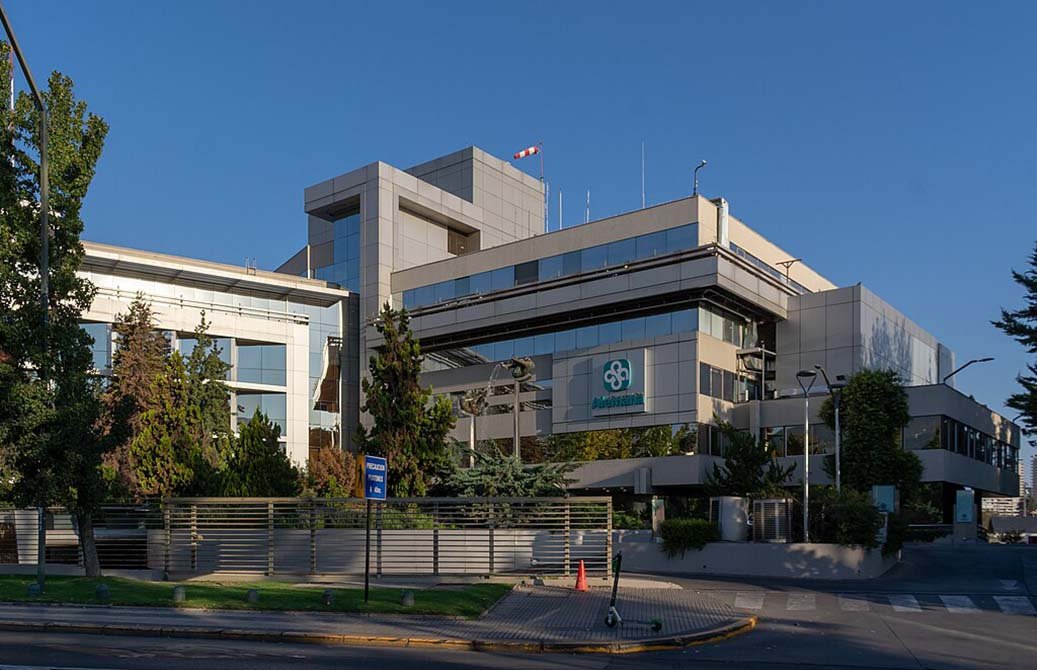
Clínica Alemana
Santiago, Chile
The Santiago institution combines medical and surgical hospital care with specialist consultations. Its international patient service highlights cancer care, cardiology, trauma and perinatal surgery, while its academic activity links clinical practice with Universidad del Desarrollo. The International Patient Service is a specific part of the Santiago clinic's organization. Its official information describes coordination of appointments, investigations, checkups, hospitalization and emergency care, together with a second medical opinion when requested. Bilingual nurses can act as the contact between the patient and the clinical teams. The service's published arrangements also distinguish coordination from the medical services themselves and describe acceptance of guarantees of payment from participating international insurers when the patient's coverage permits it. The institution's medical information separates adult, pediatric and neonatal care. Its published infrastructure tables distinguish intensive treatment from intermediate observation, rather than reporting every monitored place as an intensive-care bed. These tables carry their own reporting years. The figures in an older clinical-statistics document therefore describe the hospital during that period and should not be read as a statement of current bed availability. Women's health is organized through the Department of Gynecology and Obstetrics and its subspecialty units. The official department material describes obstetric and gynecological work, nursing and midwifery support, and a breast center. These are institutional clinical services alongside the cancer, cardiovascular, trauma and perinatal care highlighted in the international-patient information, rather than separate businesses merely located near the hospital. Clínica Alemana also explains how clinical practice is connected with undergraduate and postgraduate medical education. Research projects are reviewed through its research and clinical-trials structure, with ethical oversight linked to the Clínica Alemana–Universidad del Desarrollo Faculty of Medicine. Its patient information describes invitations to approved studies as a distinct process. Publication of this research structure documents an academic activity; the institution does not describe study participation as an automatic component of every treatment appointment. The institution reports the following clinical and infrastructure information: outpatient care: Yes; inpatient beds: 350 (International-patient page; reporting year not stated.); doctors: 700+ (Hospital-reported specialists; reporting year not stated.); intensive care / resuscitation: Yes · adult, pediatric and neonatal services. The scope and reporting period remain those of the linked institutional sources. Clínica Alemana combines clinical care with undergraduate and postgraduate teaching. Its Research and Clinical Trials Unit reviews research projects, with ethics review through the Clínica Alemana–Universidad del Desarrollo Faculty of Medicine. The hospital describes a process through which patients may be invited to take part in approved clinical studies. The institution publishes a separate tariff, package-information or cost-estimation resource. The provider publishes service-level tariffs. Choose the procedure, location and payment category in the official price list.
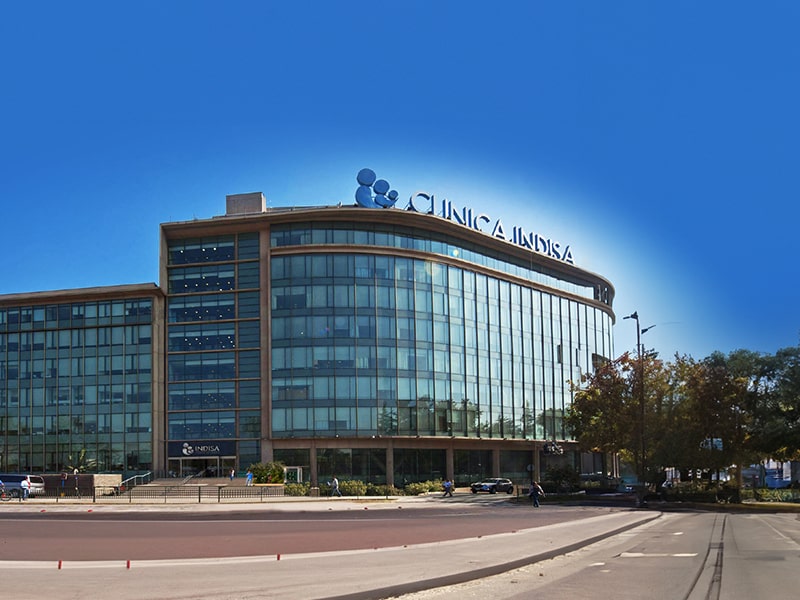
Clínica INDISA
Santiago, Chile
INDISA describes itself as a family clinic serving patients across different stages of life. Its services include inpatient medicine, surgery, maternity and pediatrics; a dedicated critical-patient service also documents multidisciplinary care for severe burns. INDISA's official institutional information distinguishes its administration, clinical services and teaching activity. Its organizational description presents a multidisciplinary clinic, while department pages explain particular care pathways in greater detail. The specialist information and the critical-patient unit should therefore be read as different descriptions of the same institution, rather than as interchangeable measures of total staffing or bed capacity. One of the documented specialized pathways is the treatment of serious burns. The clinic's critical-care material describes assessment of the burn's characteristics and severity as the starting point of the treatment process. The published team includes intensive-care physicians, nursing personnel, physiotherapy, physical and rehabilitation medicine, occupational therapy and plastic surgery. The source also distinguishes intensive-care beds from intermediate-care beds within this specific unit; those figures are unit-level capacities, not a count of every inpatient place at INDISA. The burns information discusses the particular importance of injuries affecting functionally sensitive areas, including the face, neck, hands, feet and joint folds. Its description connects the initial clinical evaluation with fluid management, wound treatment and subsequent specialist support. These details document the service described by the clinic. Statements about individual published outcomes remain the provider's reports and are not converted here into a prediction for another patient. Teaching and investigation are presented as a separate institutional activity. INDISA's official education material describes professional formation and cooperation in the clinical environment, complementing the treatment information on the main website. This gives a more specific account of its academic role than a general claim that all private hospitals conduct the same kinds of research. For financial information, the clinic provides an official tariff section. The tariff is organized around named healthcare services rather than a single price applicable to the whole institution. Its location alongside appointment and clinical-service information enables the patient pathway, the responsible service and the financial reference to be identified independently. The institution reports the following clinical and infrastructure information: outpatient care: Yes; intensive care / resuscitation: Yes; doctors: 730+ (Specialists described by the clinic.). The scope and reporting period remain those of the linked institutional sources. INDISA’s Research Unit supports the development of clinical research within the clinic. Its published activities include collaboration with academic and scientific organizations, methodological advice for research projects, staff training and management of research activities. The institution publishes a separate tariff, package-information or cost-estimation resource. The provider publishes service-level tariffs. Choose the procedure, location and payment category in the official price list.
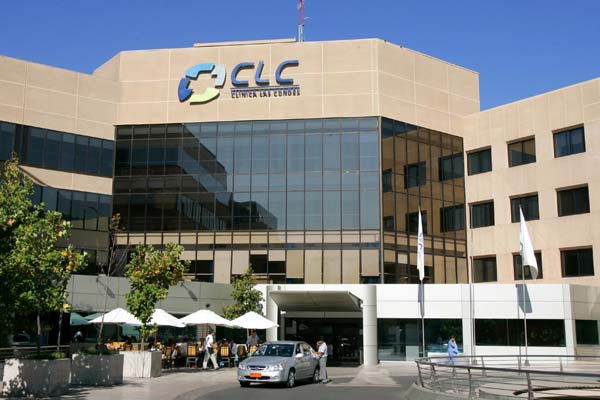
Clínica Las Condes
Santiago, Chile
The principal Estoril site is complemented by outpatient centers in Chicureo and Peñalolén. Founded in 1982, the clinic combines specialist consultations, emergency care, surgery and diagnostic services with a dedicated academic and research structure. The official site directory distinguishes the main Estoril hospital from the Chicureo and Peñalolén medical centers. Estoril houses the central hospital services and specialty departments; the other locations publish their own consultation, emergency and diagnostic arrangements. Chicureo's directory includes imaging, vaccination and specimen collection. Peñalolén lists specialist appointments, emergency assessment and imaging. The clinic also identifies medical posts at the La Parva, Valle Nevado and El Colorado ski centers, with their own emergency and trauma functions. The institutional history begins with the clinic's opening in 1982. Its historical timeline records successive expansions in buildings, beds and floor area, so the figures attached to early milestones describe those years, not the present hospital. The history also records academic cooperation with Chilean universities and an agreement with Tokyo Medical and Dental University concerning medical exchange and digestive diagnosis. These documented relationships explain the clinic's teaching and research activity without turning an historical partnership into a claim about every current clinical service. The main institutional page identifies patient safety, comprehensive care, innovation and academic development as organizational priorities. It publishes separate information on medical administration, professional staff, facilities and national accreditation. Its references to earlier international accreditation are part of the institution's history; an accreditation's present validity should be read from the relevant current record rather than inferred from the founding narrative. For patients, the official website separates consultation schedules from emergency availability. It lists appointments at Estoril, Chicureo and Peñalolén during specified daytime hours, while emergency care is described as operating around the clock. Building maps and location-specific information form part of the same directory. The published tariff section provides a separate financial reference from the medical service descriptions, allowing a named procedure and its payment category to be identified without representing one consultation fee as the cost of an entire admission. The institution reports the following clinical and infrastructure information: outpatient care: Yes; doctors: 778 (Medical staff, September 2024.); intensive care / resuscitation: Yes; buildings: 6 (Six named clinical buildings in the main-site directory: A, B, C, D, F and G.). The scope and reporting period remain those of the linked institutional sources. Clínica Las Condes has an academic and research structure that supports clinical projects, professional education and dissemination of biomedical knowledge. Its official research portal brings together research projects, collaborations, medical publications, books and professional courses. The institution publishes a separate tariff, package-information or cost-estimation resource. The provider publishes service-level tariffs. Choose the procedure, location and payment category in the official price list.
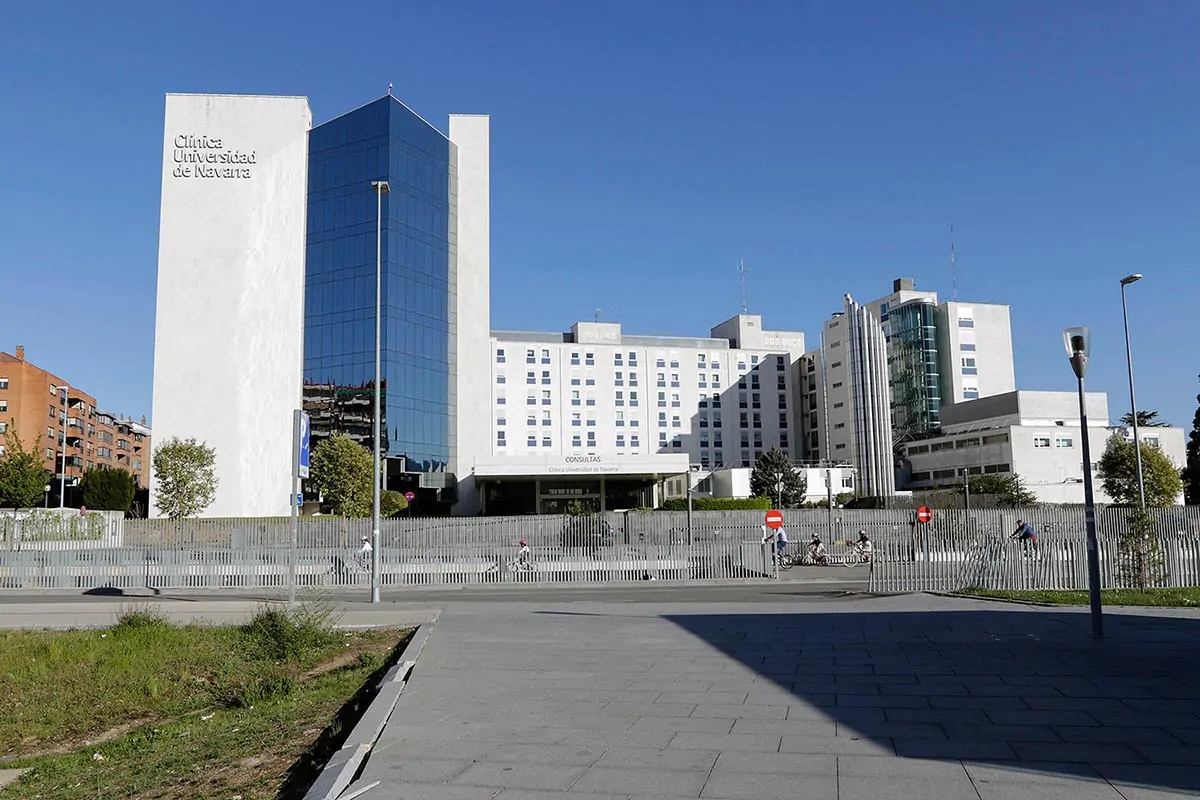
Clínica Universidad de Navarra Madrid
Madrid, Spain
The Madrid campus of Clínica Universidad de Navarra forms part of a nonprofit university-medical institution with another campus in Pamplona. Its model connects interdisciplinary treatment with research and teaching, including oncology investigations conducted across the two locations. Clínica Universidad de Navarra describes itself as the University of Navarra's hospital, with a common institutional model across Madrid and Pamplona. The organization was founded in 1962; that founding date belongs to the clinic as an institution and is not presented as the opening year of the Madrid campus. Its official account identifies forty-six medical and surgical specialties and an exclusively dedicated professional workforce across the two sites. The university-clinic model is described as patient- and family-centered, with multidisciplinary teams formed from different specialties. The account of the Madrid opening explains that the campus adopted the institution's clinical, research and teaching principles. It also identifies a nonprofit management model in which surpluses are reinvested in the healthcare activity. These are organizational characteristics stated by the institution, rather than an assumption based on private ownership. The September 2025 workforce announcement reports 4,016 professionals across the two sites, distinguishing 2,659 in Pamplona from 1,357 in Madrid. These figures cover professional staff overall. They are not a count of individual physicians at Madrid, and the older staffing figures in the campus-opening report are retained as historical information rather than used as current capacity figures. Research activity can span both locations. One official clinical announcement describes a study using zirconium-89 imaging and PET-CT to investigate how an immunotherapy medicine is distributed in the body. The study is identified as operating in Madrid and Pamplona. Its purpose concerns imaging of drug behavior and investigation of possible response, not a guarantee that the medicine will work for a particular patient. The institutional account connects research with teaching and transfer of professional knowledge, alongside the diagnosis and treatment of complex conditions. The Madrid profile therefore represents a specific campus of a wider university-medical institution. Staff totals, historical opening figures, medical-specialty counts and the geographic scope of a study remain attached to the source that defines them, giving a more accurate account than merging every reported number into a single hospital-capacity claim. The institution reports the following clinical and infrastructure information: outpatient care: Yes. The scope and reporting period remain those of the linked institutional sources. Clínica Universidad de Navarra reported a clinical study at both its Madrid and Pamplona sites using zirconium-89 imaging to examine the distribution of an immunotherapy medicine with PET/CT. The project investigates imaging as a way to assess drug behavior and potential response; the announcement describes research rather than a guaranteed clinical outcome.
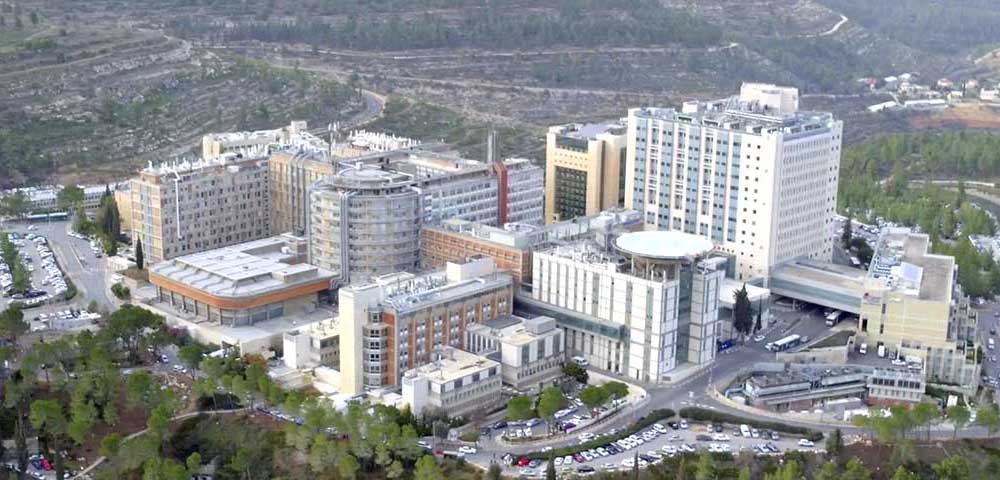
Hadassah Medical Center
Jerusalem, Israel
Hadassah operates the Ein Kerem and Mount Scopus hospitals in Jerusalem. Its relationship with the Hebrew University connects clinical departments with medical education and laboratory research, while the Davidson Tower brings inpatient wards, surgical services and intensive care together. Hadassah's institutional figures distinguish the Ein Kerem and Mount Scopus hospitals and explicitly identify statistics that cover both locations. Its figures for 2020 list hospital admissions, day-care activity, operations, births, outpatient visits, imaging and laboratory work as separate measures. They show an organization delivering hospital and ambulatory services, while preserving the distinction between the number of patients, the number of encounters and the number of procedures. At Ein Kerem, the Davidson Tower is a documented part of the clinical infrastructure. The official building description identifies fourteen stories, accommodation for 500 beds, twenty operating rooms and fifty intensive-care beds. It also places the Heart Institute, internal medicine and surgical treatment divisions in the tower. One- and two-bed patient rooms and departmental step-down areas are described separately from the main intensive-care accommodation. These are tower-specific figures, not an additional hospital whose capacity should be added again to the overall Hadassah total. The tower's support facilities include satellite radiology, imaging and supply services. Its design account describes communications infrastructure linking clinical and research work, gardens for patients and families, and a resource center. It also refers to space for individualized treatment, gene and stem-cell research and computer-guided surgery. These statements describe the purpose and organization of the building; they are not evidence that an experimental intervention is routinely available for a particular diagnosis. The medical intensive-care service publishes its own multidisciplinary arrangements. Its information identifies specialist consultation from infectious disease, respiratory medicine, neurology, cardiology, nephrology, cardiothoracic surgery and hematology. Respiratory therapists, physiotherapists, nutrition specialists, pharmacists and social workers are also named in the account of ward rounds and support. The university setting supports rotational training for doctors in addition to patient care. Research is managed through a dedicated Research and Development Division. The official account connects basic science, translational work, clinical studies and collaboration with the Hebrew University, with technology commercialization described through Hadasit. This provides an institutional explanation of how research activity is organized across the two hospitals. The institution reports the following clinical and infrastructure information: outpatient care: Yes; inpatient beds: 1,413 (Ein Kerem and Mount Scopus combined, 2020.); doctors: 850 (Both hospitals; source summary has no separate workforce year.); intensive care / resuscitation: Yes. The scope and reporting period remain those of the linked institutional sources. Hadassah’s Research and Development Division supports basic, translational and clinical research across its hospitals. Its official description identifies collaboration with the Hebrew University and other research institutions, laboratory infrastructure, clinical trials and technology commercialization through Hadasit.
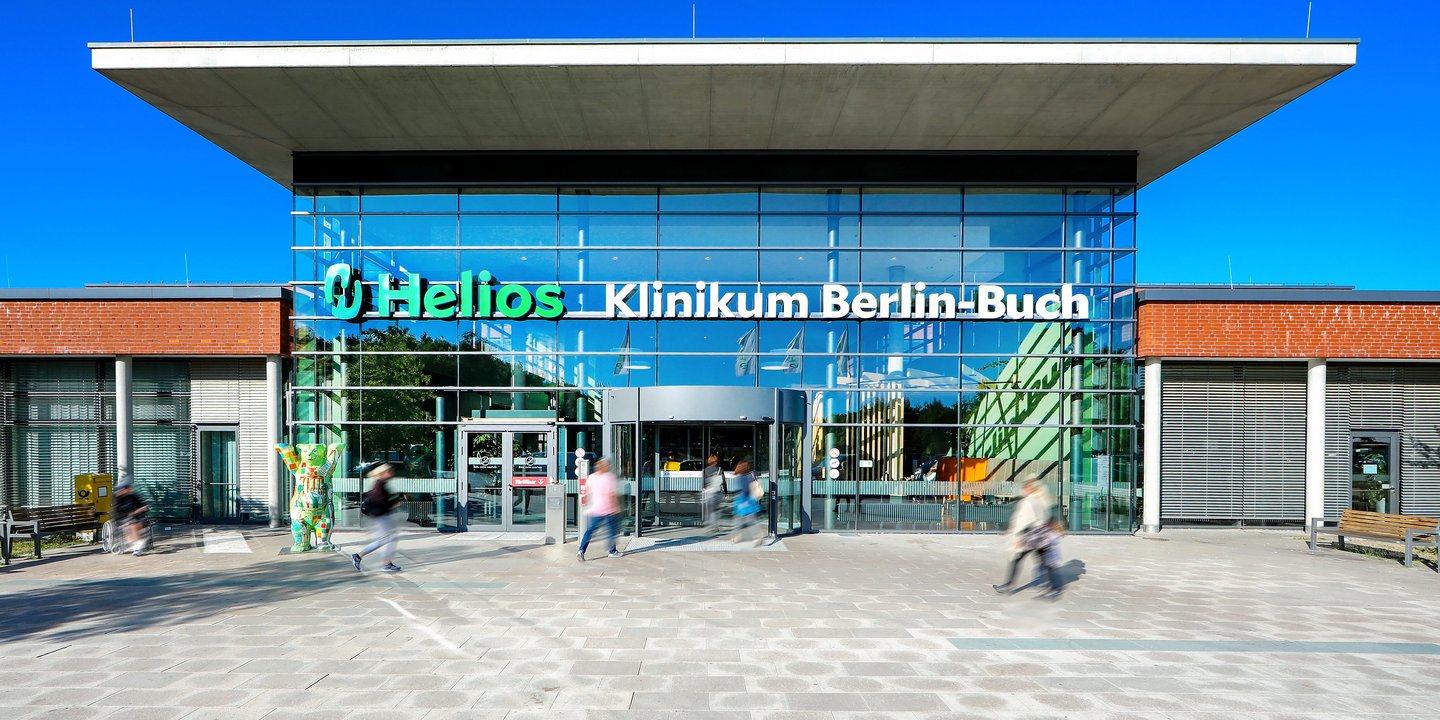
Helios Klinikum Berlin-Buch
Berlin, Germany
Helios Klinikum Berlin-Buch is a large hospital in northeastern Berlin. The associated polyclinic offers outpatient specialties, while the hospital provides inpatient treatment and intensive medicine; institutional research reporting includes work by Berlin-Buch clinicians in oncology and other fields. The outpatient polyclinic is explicitly distinguished from the inpatient hospital. Its official description identifies more than twenty specialties, ranging from primary medical care to specialized diagnosis and treatment of complex conditions. The main polyclinic location is listed as building 210 beside the hospital entrance, while the website notes that individual departments or consultation sessions may operate in other buildings. One consultation address is therefore not a complete campus-building count. The polyclinic publishes its own appointment and contact arrangements. Its institutional account emphasizes cooperation with the adjoining hospital, connecting ambulatory assessment with the relevant inpatient services. Individual doctors and specialties have their own consultation schedules rather than sharing a single universal appointment timetable for every service. The intensive-medicine department describes treatment after major operations, accidents and organ failure. Its medical and nursing care operates around the clock, with a dedicated team and department-specific arrangements for intensive-care transfers. Information for relatives explains that direct communication and agreed contact arrangements are part of the unit's working process. These are published features of a particular critical-care service rather than assumptions based on a general hospital label. The Level 1 perinatal center provides another detailed example of the hospital's clinical scope. Its official page identifies delivery rooms, pre-labor accommodation, a neonatal intensive-care unit, ventilated treatment places, intensive-monitoring beds and rooming-in places. Prenatal services include first-trimester screening, detailed ultrasound, Doppler ultrasound and invasive diagnosis. The center also describes cooperation with specialist prenatal practices in Berlin and Brandenburg. Research activity is documented in the Helios research-project overview, which identifies work involving Berlin-Buch clinicians. The listed examples include the KATHERINE breast-cancer study and investigation of CAR T-cell therapy for lymphoma involving the central nervous system. These references describe institutional participation in investigation. They are distinct from the outpatient appointment directory and do not establish that any individual patient can access the studied intervention through routine booking. The institution reports the following clinical and infrastructure information: outpatient care: Yes; inpatient beds: 1,000+; intensive care / resuscitation: Yes. The scope and reporting period remain those of the linked institutional sources. Helios’s official research-project overview identifies contributions by clinicians at Berlin-Buch. Examples include participation in the KATHERINE breast cancer study and investigation of CAR T-cell therapy in lymphoma involving the central nervous system. These are research activities, rather than guarantees of individual treatment eligibility.
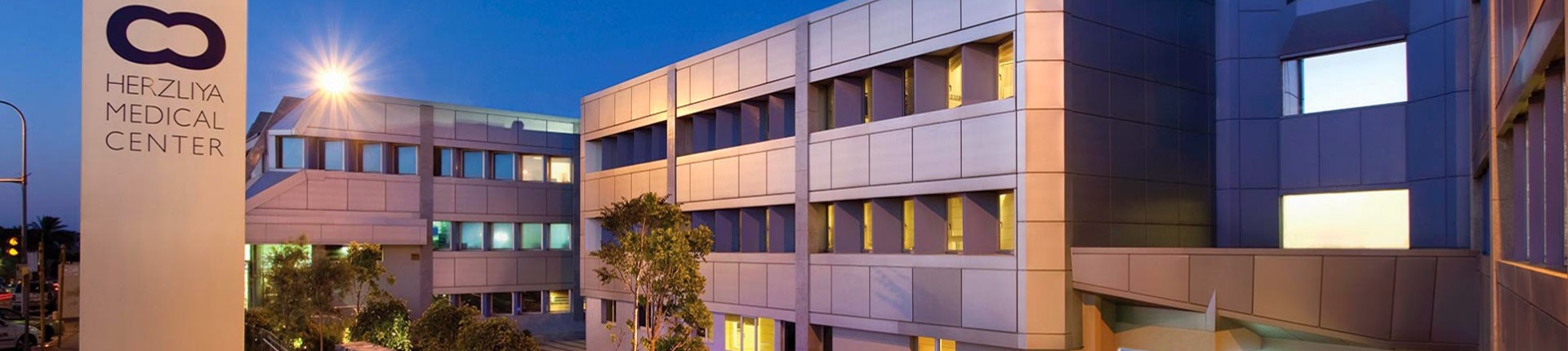
Herzliya Medical Center
Herzliya, Israel
Herzliya Medical Center combines a private surgical hospital with specialist consultation centers in Herzliya. Its institutional materials describe operating rooms, diagnostic facilities and a staffed intensive-care unit, with separate addresses for the hospital and medical-expert centers. The institution's account describes a private hospital treating Israeli residents and international patients. Its clinical workforce includes specialist doctors, nursing staff and allied-health professionals such as physiotherapists, psychologists, social workers and medical technicians. Administrative personnel have a separate role in supporting the hospital encounter and the practical arrangements of patients arriving from abroad. The published surgical scope includes heart operations, brain and spinal neurosurgery, catheterization and orthopedic procedures such as joint replacement. The wider institutes and laboratories also cover disciplines including cardiology, gastroenterology and fertility medicine. The provider reports more than 20,000 operations annually in its institutional overview. This is an activity statement by the hospital, not a claim about the success rate of any individual procedure. The contact directory distinguishes the hospital on Eli Landau Boulevard from Medical Experts Centers at Hahoshlim Street and Medinat Ha-Yehudim Street. The presence of several consultation addresses is not treated here as proof of a particular total number of hospital buildings. It instead shows how specialist consultation facilities and the main surgical hospital are organized within the provider's published contact structure. For international patients, the official guidance describes a personal coordinator accompanying the patient through the stay and assisting with logistical questions. It states that the team receives medical records before arrival and asks patients to report relevant changes between booking and travel. The preparation information specifically names insurance documents, relevant medical records and copies of current prescriptions. These are the institution's own published arrangements for the international pathway. The hospital's care information also identifies diagnostic facilities and a staffed intensive-care unit as part of its surgical support. That critical-care service is distinct from the ambulatory consultation centers. The patient-information page describes language assistance within a multilingual medical and administrative team, while the institutional account identifies specialists affiliated with the hospital. These descriptions document the provider's organization and access arrangements without establishing that every doctor is available on every date or that a single package includes every listed service. The contact directory names the main hospital at Eli Landau Boulevard 7 and Medical Experts Centers at Hahoshlim Street 6, Hahoshlim Street 8 and Medinat Ha-Yehudim Street 89. Those named addresses provide a location-specific distinction between surgical hospitalization and the wider consultation network. The institution reports the following clinical and infrastructure information: outpatient care: Yes; doctors: ≈500 (Leading medical specialists affiliated with HMC.); intensive care / resuscitation: Yes. The scope and reporting period remain those of the linked institutional sources.
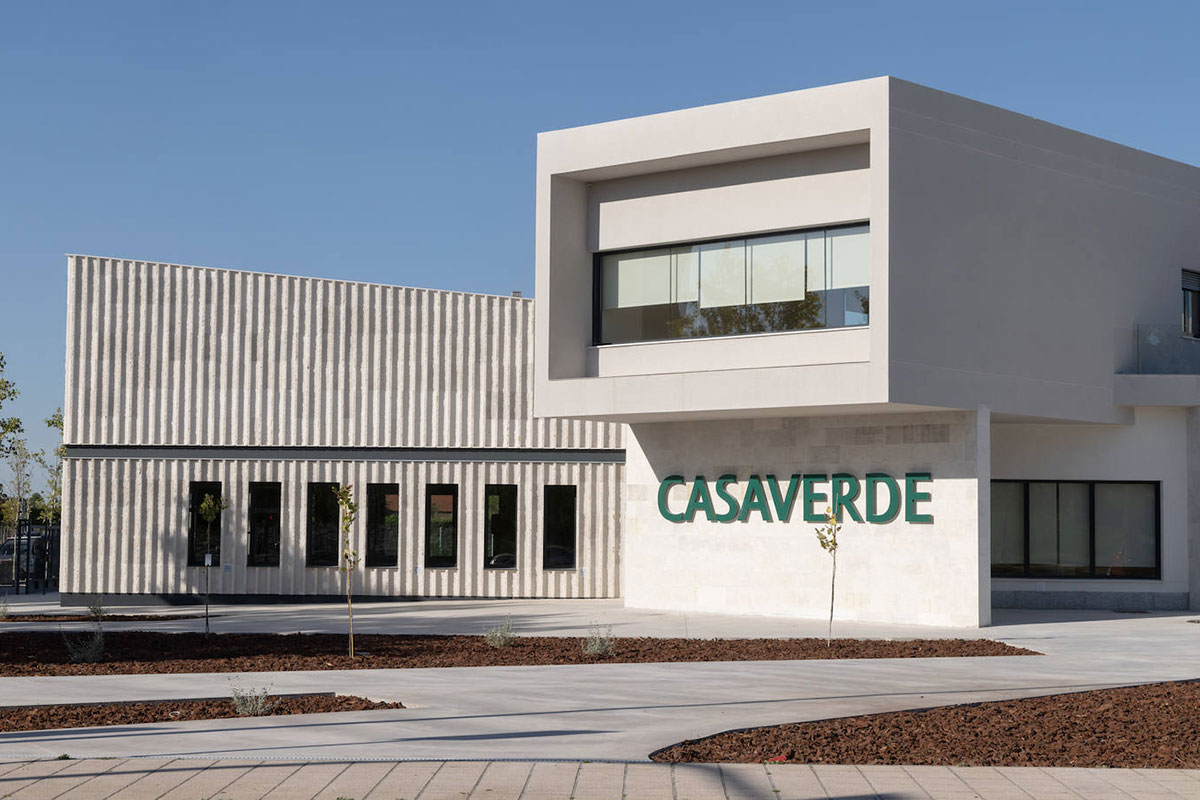
Hospital Casaverde Alicante
Alicante, Spain
Hospital Casaverde Alicante is a medium-stay rehabilitation hospital in Mutxamel. Its profile focuses on neurological and physical functional recovery and care of patients with multiple conditions, supported by multidisciplinary therapy and a therapeutic pool. Hospital Casaverde Alicante is located on Carrer de Ponent in Mutxamel. Its official profile describes a medium-stay hospital specializing in neurological and physical functional rehabilitation and care for people with multiple medical conditions and substantial nursing needs. This is a rehabilitation and continuing-care setting, distinct from an acute general emergency hospital. The hospital describes a multidisciplinary team, a covered therapeutic pool, individual rooms and bungalow-style accommodation. Gardens and open spaces form part of the published environment. These features relate to the organization of a rehabilitation stay; they are not used to infer the number of inpatient beds or to promise a particular degree of functional recovery. The post-acute unit is directed toward people with acquired brain injury or spinal injury who have reached clinical stability but continue to have neurological or physical limitations. The official information describes individualized interdisciplinary rehabilitation in either an inpatient or outpatient format. This connects medical stability with ongoing functional treatment rather than treating rehabilitation as the same phase as emergency stabilization. A reintegration unit provides a subsequent pathway for people who have completed intensive rehabilitation or left the post-acute service. Its stated focus is further work on participation in the person’s social, family and working environment. This is a different goal from the initial treatment of the injury and reflects the hospital’s staged organization of recovery. The continuing-care and convalescence unit addresses people with established functional incapacity who require hospital-level medical and nursing care, including those for whom active rehabilitation is not indicated. A separate maintenance unit is described for people with persistent neurological consequences and dependency who cannot return to their previous living arrangements. Its work includes medical care, nursing and maintenance activities. The group’s legal information identifies authorization for the Mutxamel rehabilitation hospital and names general medicine, neurology, nursing, rehabilitation, physiotherapy, occupational therapy, speech therapy and health psychology. Fundación Casaverde also documents a professional meeting on neurodegenerative disease in Alicante in 2024. That event establishes educational and professional activity, not a clinical trial or proof of treatment effectiveness. The hospital’s unit descriptions and authorization information provide the basis for its clinical profile. The institution reports the following clinical and infrastructure information: outpatient care: Yes. The scope and reporting period remain those of the linked institutional sources. Fundación Casaverde held a scientific meeting on neurodegenerative diseases in Alicante in May 2024. A neurologist associated with Casaverde Alicante contributed to discussion of diagnosis and neurological care, alongside university researchers. The report concerns a professional meeting, rather than a clinical trial or evidence of treatment outcomes.
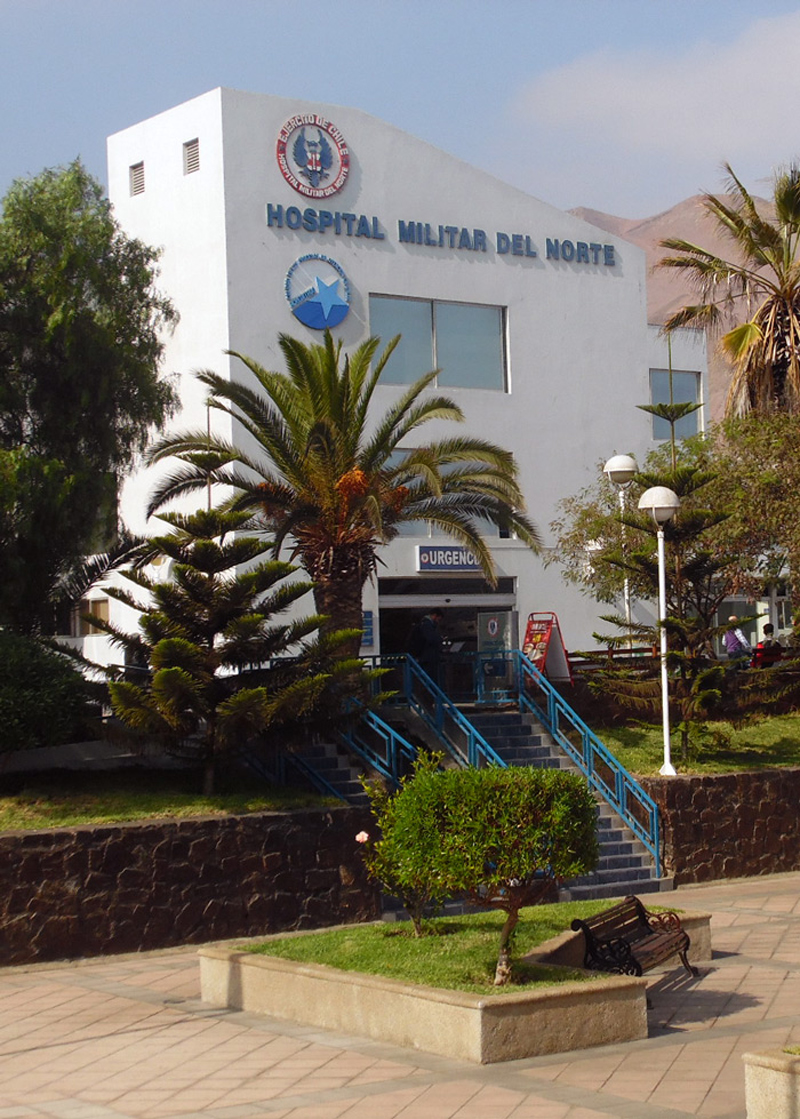
Hospital Militar de Santiago
Santiago, Chile
Hospital Militar de Santiago is situated in La Reina and treats military health-system beneficiaries as well as eligible civilian and self-paying patients. Its campus separates outpatient, diagnostic and critical-care functions in building A from inpatient accommodation in building B. The official infrastructure description divides the campus into buildings A, B and C. Building A accommodates outpatient consultations, laboratories, diagnostic imaging, examination collection, operating rooms and critical-care facilities. The same page lists 109 consultation rooms, 49 procedure rooms and ten operating theatres for that building. Its seismic isolation is described as part of the hospital's arrangements for maintaining operation during earthquakes. Building B concentrates inpatient accommodation, with the official directory identifying 266 medical, surgical and specialty ward beds. Critical-care figures are also published in the building descriptions, but the different categories are not combined here into an unsupported total. Building C has a teaching and research function, with offices, four classrooms, a library and an auditorium described as seating 179 people. The campus account also identifies a heliport, a site of 9.9 hectares and more than 85,000 square meters of construction. The hospital explains that its patient population includes beneficiaries of the Army Health System and eligible patients from other Chilean armed-forces arrangements. It also identifies Dipreca, Fonasa, participating Isapres and private-paying patients among its access categories. This is broader than a description of the institution as exclusively closed to civilians, while the applicable coverage category remains a separate administrative matter. As a clinical teaching hospital, the institution describes professional training, continuing education and academic agreements with national universities. Its institutional information distinguishes these activities from the day-to-day operation of the Diagnostic and Treatment Center. Emergency, medical-surgical intensive treatment and the coronary unit are listed as operating 24 hours a day. The patient services published for 2025 include access to laboratory and imaging results through the patient portal. Medical appointment booking and cancellation are described as telephone services, examination booking has a web channel, and surgical budgets have a dedicated email route. The official address is in La Reina, on Avenida Alcalde Fernando Castillo Velasco, with the institution publishing different schedules for outpatient, admission, imaging and laboratory services. The institution reports the following clinical and infrastructure information: outpatient care: Yes; inpatient beds: 266 (Medical and surgical ward beds in building B; critical-care beds are described separately.); buildings: 3 (Buildings A and B provide clinical services; building C houses teaching and research.); intensive care / resuscitation: Yes. The scope and reporting period remain those of the linked institutional sources. The institution publishes a separate tariff, package-information or cost-estimation resource. The provider publishes service-level tariffs. Choose the procedure, location and payment category in the official price list.
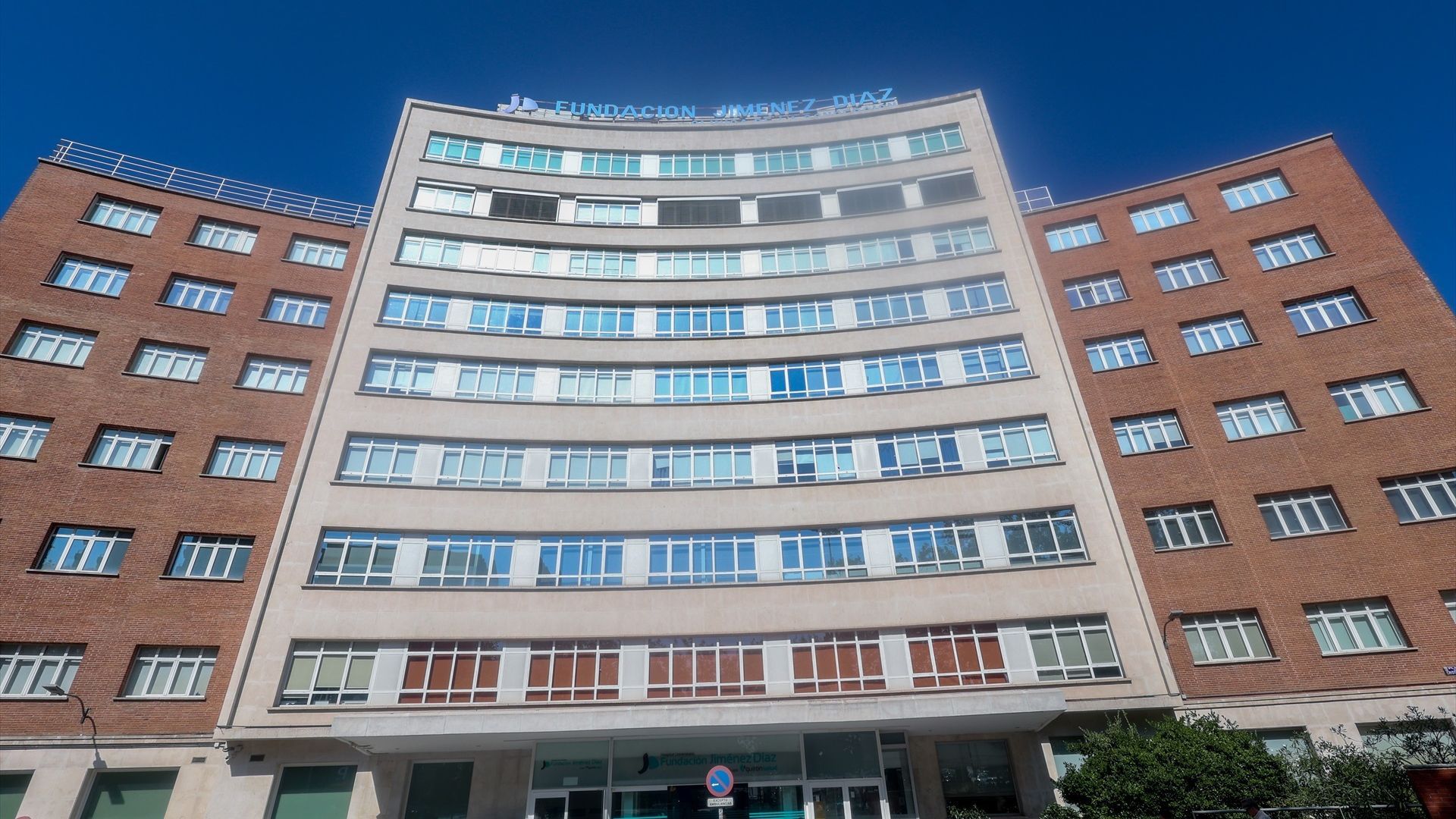
Hospital Universitario Fundación Jiménez Díaz
Madrid, Spain
Hospital Universitario Fundación Jiménez Díaz combines university-level clinical care, teaching and research in Madrid. Its institution-specific reporting describes complex surgery and specialist services, with technologies and workforce information documented through the hospital's official communications. Hospital Universitario Fundación Jiménez Díaz is a Madrid university hospital combining clinical care, professional education and research. Its official management structure separately identifies medical direction, nursing, research, teaching, quality, admission and continuity of care. This provides an institutional framework for its work rather than treating a list of prominent physicians as the hospital’s entire clinical organization. The reviewed institutional communication reports 665 beds and twenty-six operating theaters. It describes hybrid operating rooms, robot-assisted systems and integrated high-field magnetic resonance technology among its surgical resources. These are specific features of the reported infrastructure, not a count of hospital buildings or a guarantee that every operation requires one of those technologies. The hospital’s published service context includes complex surgery and medical specialties supported by diagnostic and treatment resources. Its communications identify radiotherapy equipment and focused ultrasound alongside robotic surgery. The profile reports those resources as institutional capabilities without converting a technology inventory into a comparative claim about outcomes for an individual patient. Research is described through separate categories for clinical trials and ongoing projects. These categories are not interchangeable: a scientific project may not involve an investigational treatment, and the existence of a trial does not establish that it is currently recruiting or that a particular patient meets its criteria. The hospital’s research leadership appears explicitly within its organizational structure. Teaching is likewise separately represented. Official material discusses the hospital’s health-professions training center and the annual incorporation of new residents. These are educational activities supporting the university-hospital role. A trainee count or a total of all professionals is not used as a physician-only workforce figure. The institution publishes reports of professional recognition and rankings, but those are kept distinct from concrete capacity and service information. A list of doctors included in an external ranking is not treated as a complete medical headcount. The profile draws on the hospital’s own infrastructure communication and management information to connect specialist clinical care, diagnostic and surgical resources, professional education and scientific work, retaining the publication scope of its figures and leaving a building count or current doctor total undisclosed where the official sources do not clearly state it. The institution reports the following clinical and infrastructure information: outpatient care: Yes; inpatient beds: 665 (Institutional announcement published September 2026.). The scope and reporting period remain those of the linked institutional sources.
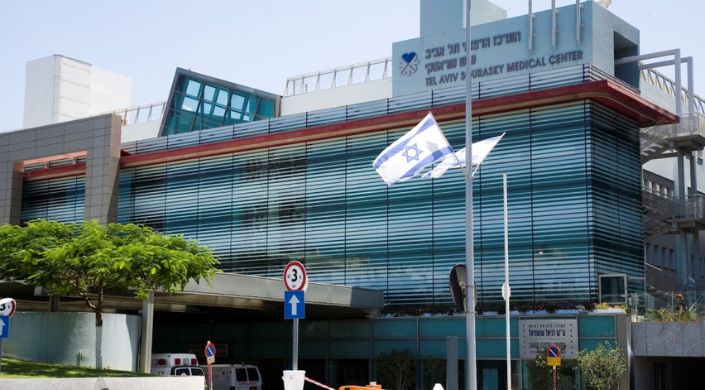
Ichilov Medical Center
Tel Aviv, Israel
Tel Aviv Sourasky Medical Center includes Ichilov General Hospital, Lis Maternity and Women's Hospital, Dana-Dwek Children's Hospital and rehabilitation services. The Arison hospitalization tower and Sammy Ofer Heart Building are identifiable parts of a larger urban medical campus. The institution's October 2024 overview describes a municipal-government medical center serving the Tel Aviv metropolitan area and patients referred from elsewhere in Israel. It identifies four hospitals within the organization: Ichilov General Hospital, Lis Maternity and Women's Hospital, Dana-Dwek Children's Hospital and the Ida Sourasky Rehabilitation Hospital. This structure explains why the familiar name Ichilov can refer both to the general hospital and, in everyday usage, to the wider medical center. The same overview reports more than 1,500 beds, around sixty-one active departments and approximately 250 specialist clinics. Those clinics account for about two million annual visits in the published institutional description. These are organization-level figures. They are not the capacity of one named tower, and outpatient visits are not interchangeable with the number of distinct admitted patients. The campus includes the Arison hospitalization tower and the Sammy Ofer Heart Building. The official account also records the opening of the Sylvan Adams Emergency Medicine Hospital in 2022. Rehabilitation services expanded at the end of 2023 with BeShilam, a rehabilitation hospital for war casualties. The center's identity therefore encompasses general medicine, women and maternity care, pediatrics, emergency treatment and several rehabilitation settings. The medical center's affiliation with Tel Aviv University is stated in its institutional and research material. Its research portal describes the Clinical Trials Network Service and an early-phase research center. Areas listed by the service include cardiovascular disease, hematology, oncology, infectious disease, nephrology, surgery and trauma. Study coordination and regulatory support are organizational functions of that research infrastructure; a listing of a research area does not by itself announce open recruitment for a specific study. The published staffing description covers medical, nursing, allied-health, research, administrative and operational personnel. Consequently, a total employee figure from the overview is not presented as a physician headcount. This distinction, together with the separation of the component hospitals, preserves the scope of the medical center's own account of its clinical and academic organization. The institution reports the following clinical and infrastructure information: outpatient care: Yes; intensive care / resuscitation: Yes; inpatient beds: 1,500+ (Institutional overview, October 2024; all four hospitals in the medical center.). The scope and reporting period remain those of the linked institutional sources. Tel Aviv Sourasky Medical Center–Ichilov operates a Clinical Trials Network Service and an early-phase clinical research center. Its official research portal lists areas including cardiovascular disease, hematology, oncology, infectious disease, nephrology, surgery and trauma, together with study coordination and regulatory support.
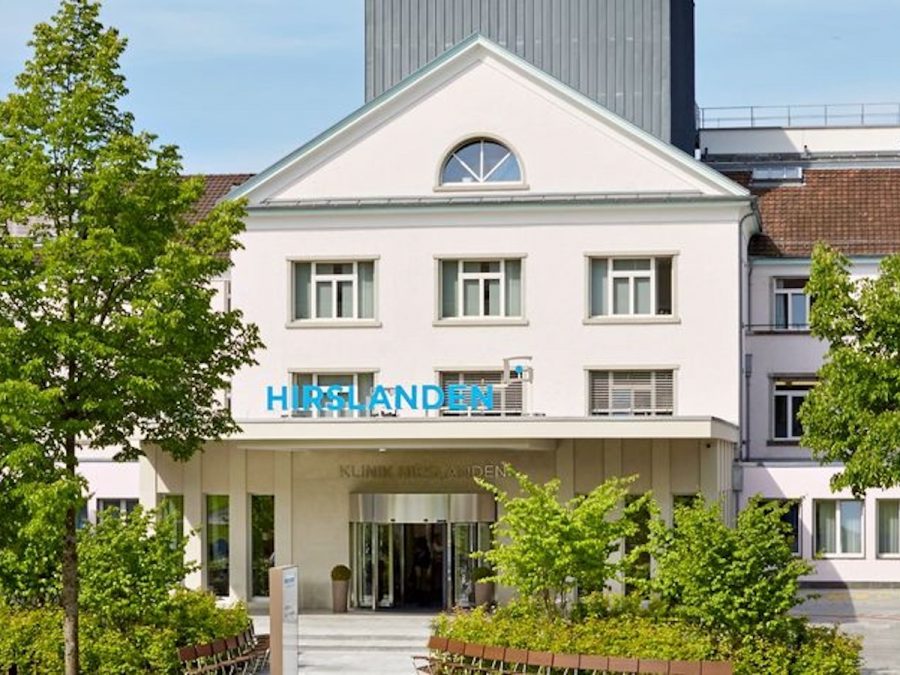
Klinik Hirslanden Zurich
Zurich, Switzerland
Klinik Hirslanden in Zurich provides broad inpatient and outpatient care with surgical, maternity, cardiovascular and diagnostic infrastructure. The hospital publishes its own annual capacity and physician figures, and its tumor center participates in organized clinical research. The hospital's own annual figures cover the financial year from April 2025 to March 2026. They distinguish inpatient and maternity activity, emergency admissions, outpatient consultations, newborns, professional staff and trainees. The physician category includes partner and employed doctors, while the employee total shown alongside it excludes employed physicians. These are different workforce measures and are not added together as though they were the same category. The published infrastructure includes fourteen operating rooms, three delivery rooms and five cardiac-catheterization laboratories. Diagnostic equipment is reported separately: computed tomography, magnetic resonance and nuclear-medicine facilities are identified in the medical-infrastructure directory. The same directory lists intraoperative radiotherapy, linear accelerators, Da Vinci surgical systems and CyberKnife. This is an equipment inventory for the hospital, not a statement that every consultation involves these technologies. The clinical organization combines scheduled specialist assessment with hospital treatment, surgery, maternity and emergency services. A dedicated intensive-care service is identified within the hospital's operative and intervention infrastructure. The source's description of access refers to patients from different insurance classes; that statement should not be confused with a guarantee that a particular insurer covers every procedure or accommodation category. The Zurich Tumor Center describes clinical research as part of its institutional activity. Its official information discusses investigation of treatment doses, effects, unwanted effects and quality of life, and identifies cooperation through international study groups. The center also publishes information about available studies. These are defined research activities, separate from the wider hospital's annual patient and equipment statistics. The reporting gives visibility to education as well as treatment, distinguishing students and apprentices from employees and physicians. The resulting institutional picture is that of a specialist hospital with a substantial operative and diagnostic platform, maternity services, critical-care support and an organized oncology-research setting. Each numerical figure remains attached to Klinik Hirslanden itself and to the reporting period, rather than being borrowed from another hospital in the Hirslanden group. The institution reports the following clinical and infrastructure information: outpatient care: Yes; inpatient beds: 335 (Financial year 2025/2026.); doctors: 725 (Partner and employed doctors, 2025/2026.); intensive care / resuscitation: Yes. The scope and reporting period remain those of the linked institutional sources. The Hirslanden Zurich Tumor Center publishes information about clinical research and a list of open studies. Its official description discusses assessment of treatment doses, effects, side effects and quality of life, and collaboration through international study groups.
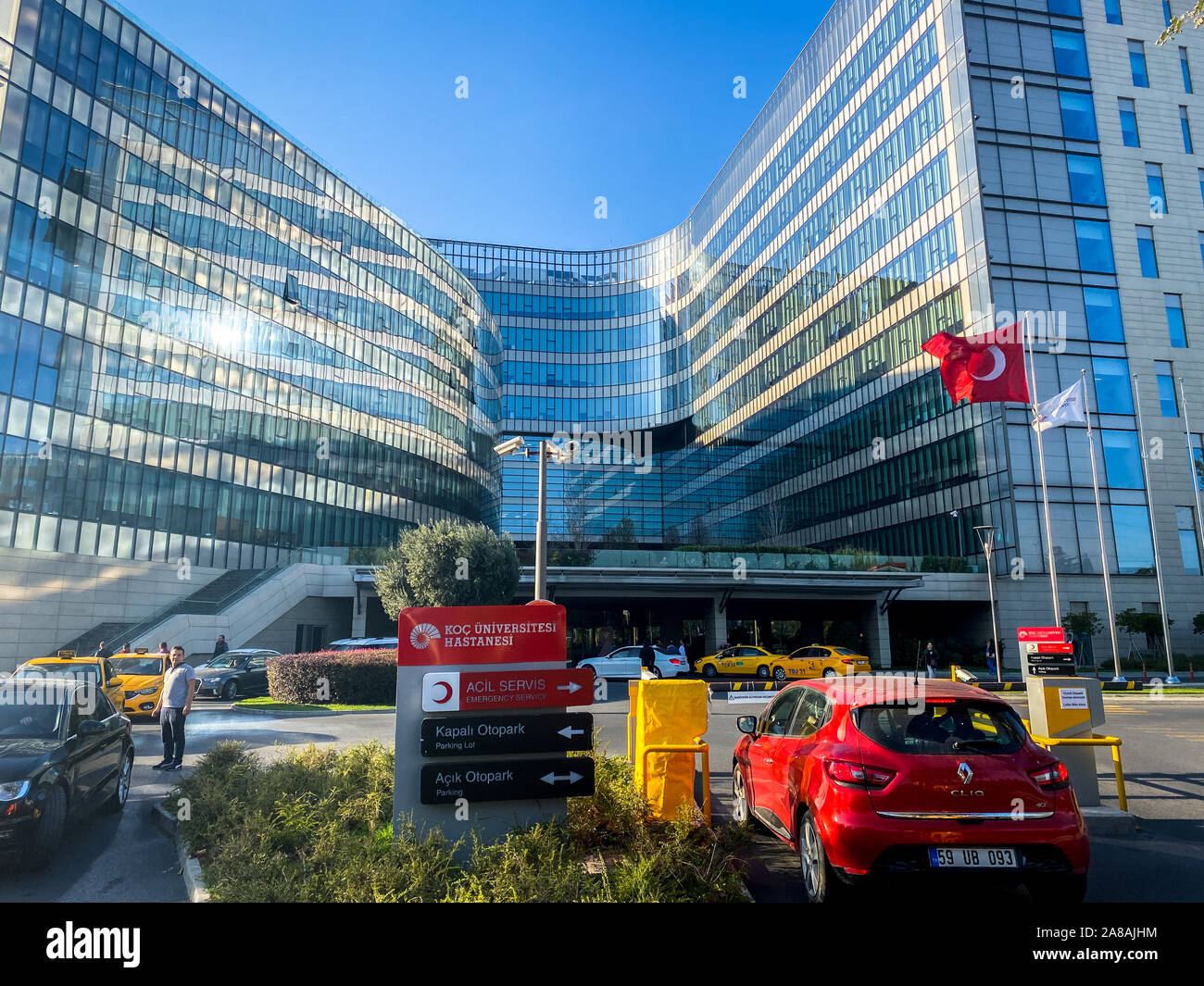
Koç University Hospital
Istanbul, Turkey
Koç University Hospital is the research and teaching hospital of Koç University's medical school in Istanbul. University materials describe operating theaters, outpatient examination rooms, inpatient facilities and intensive care, connecting hospital treatment with training and scientific activity. Koç University Hospital is identified by the university as the research and training hospital of its medical school. The university’s medical education began in the academic year 2010–2011, with a stated emphasis on physicians who address contemporary health problems through scientific reasoning. The hospital is part of that academic framework in Istanbul, combining treatment facilities with medical training. University brochures describe outpatient examination rooms, inpatient accommodation, operating theaters, delivery facilities, observation rooms and intensive care. These are separately named elements of the hospital’s infrastructure. The brochures contain figures from different publication periods, including an institutional presentation from 2019, so historical room counts are not treated here as an audited current total of staffed inpatient beds. One university infrastructure table identifies general operating theaters separately from delivery rooms and chemotherapy units. The distinction reflects different clinical settings: surgery, childbirth, systemic anticancer treatment and outpatient examination do not use the same kind of space. The hospital’s university role therefore sits alongside a range of practical care environments rather than a single ward or one narrow specialist service. The material also describes observation accommodation and intensive care. These provide evidence of services for patients whose condition requires monitoring or higher-acuity support. The presence of an intensive care service is recorded in the key facts, while a precise contemporary bed total is left unasserted where the reviewed documents describe patient rooms or older configurations instead. Koç University’s publications place the hospital within a wider research institution that includes graduate and doctoral education. University-wide research funding, European Research Council awards and student totals belong to that wider organization. They are not presented as hospital-only patient outcomes, a count of clinical doctors or a measure of treatment success. This distinction preserves the meaning of the university’s academic information while identifying the hospital’s documented teaching role. The reviewed brochures also describe international academic exchange and English-language university education. These are features of the educational environment, rather than evidence that every hospital encounter is conducted in English or that every medical research project is a treatment trial. The profile uses the university’s own publications to establish institutional identity and clinical infrastructure, keeping historical dates and the distinction between education, research and patient care visible. The institution reports the following clinical and infrastructure information: outpatient care: Yes; intensive care / resuscitation: Yes · university hospital brochure. The scope and reporting period remain those of the linked institutional sources.
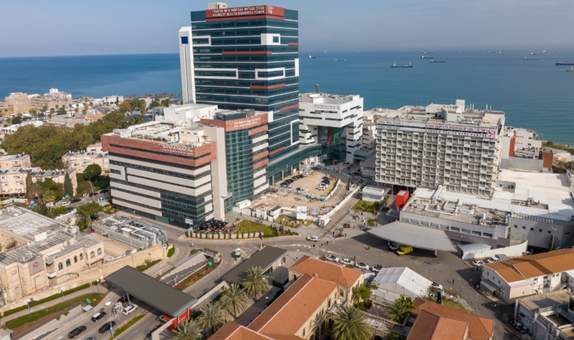
Rambam Health Care Campus
Haifa, Israel
Rambam is an academic governmental hospital in Haifa serving northern Israel. The institution's published profile combines inpatient wards, medical institutes, outpatient clinics and trauma services with clinical research and teaching links to the Technion. The hospital's official history records its establishment in 1938 under the British administration, transfer to the Israeli government in 1948 and adoption of the Rambam name in 1952. Its contemporary institutional description identifies an academic governmental hospital in Haifa with a referral role for northern Israel. The campus combines medical and surgical inpatient departments with specialist institutes, outpatient clinics, laboratories and emergency treatment. The Hebrew facts-and-figures table explicitly labels its principal statistics as 2025 data. It lists sixty-five inpatient departments, seventy-nine recognized training units, thirty-nine medical institutes, 116 outpatient clinics, fifteen laboratories and eleven delivery rooms. These categories describe different parts of the hospital's organization. The table separately reports activity in emergency care, imaging, laboratory work, operations and childbirth, rather than treating all recorded encounters as admissions. Teaching is part of the published university-hospital role. The English institutional account describes physician participation in teaching at the Technion's Ruth and Bruce Rappaport Faculty of Medicine and in nursing education associated with the University of Haifa. It also describes the campus's trauma, emergency and mass-casualty teaching center, which has trained healthcare professionals from multiple countries. This is a specific educational function in addition to the treatment of patients on the campus. Research and innovation have their own infrastructure. The clinical research portal identifies an Early Phase Clinical Trials Unit and support for projects initiated by physicians, residents and nursing staff. It also describes research-support and clinical-data infrastructure. The 2025 institutional table reports new and active research projects as distinct categories, which should not be confused with the number of available treatments or with the number of patients enrolled in any particular trial. The institution's published partnerships include medical-research and device-development collaborations and participation in the MindUp digital-health incubator in Haifa. Its emergency preparedness material also identifies the protected underground hospital associated with the Sammy Ofer complex. These organizational details complement the clinical department directory without converting historical collaborations or emergency infrastructure into claims of superior outcomes for an individual patient. The institution reports the following clinical and infrastructure information: outpatient care: Yes; inpatient beds: 1,095 (2025 Hebrew institutional statistics.); doctors: 1,737 (2025; physicians, not all employees.); intensive care / resuscitation: Yes. The scope and reporting period remain those of the linked institutional sources. Rambam Health Care Campus combines tertiary hospital care with clinical research and innovation. Its research infrastructure includes an Early Phase Clinical Trials Unit and programs supporting clinician-led, resident-led and nursing research. The official research portal also describes clinical data and research-support infrastructure.
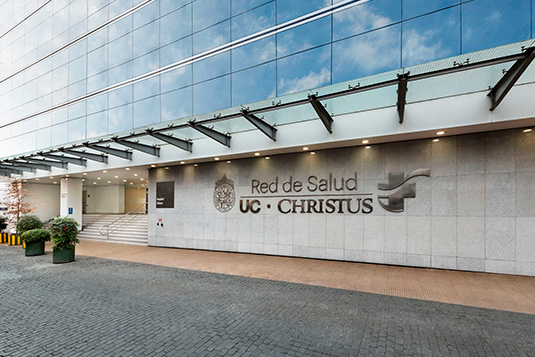
Red de Salud UC CHRISTUS
Santiago, Chile
UC CHRISTUS is a healthcare network rather than a single hospital building. Its Santiago services include Hospital Clínico and Clínica San Carlos de Apoquindo, with outpatient facilities, specialist care and an institutional clinical research center. The network's own activity reports distinguish Hospital Clínico from Clínica San Carlos de Apoquindo and from the total UC CHRISTUS organization. This distinction matters because a hospital-specific bed count is not a network-wide capacity figure. The Hospital Clínico anniversary account published in 2023 describes the growth from its early institution into a high-complexity hospital, with surgical and procedural rooms, intensive and intermediate care, and services across several age groups. The official floor-by-floor hospital guide places radiology, ultrasound, nuclear medicine, PET-CT, magnetic resonance and computed tomography among the diagnostic services. It separately identifies general emergency care and maternity emergency care, delivery and pre-delivery areas, neonatal intensive treatment and the perioperative unit. Endovascular treatment and procedure facilities appear alongside maternity and neonatal intermediate care. Other floors contain operating rooms, postoperative recovery, medical and surgical wards, intensive-care units and intermediate-care accommodation. The institution's account of its clinical development names minimally invasive, endoscopic, endovascular, robotic, cardiovascular and neurosurgical procedures. It also describes solid-organ transplantation, oncology for different age groups, maternal-fetal medicine and neonatal care. These are published components of the hospital's clinical scope. They do not mean that all procedures belong to one package or that every patient is eligible for each listed intervention. Patient and family services are included in the hospital guide rather than left implicit. The directory identifies admissions, information and budgeting, guidance concerning Chilean emergency-care and coverage arrangements, and a patient-and-family support unit. The same guide lists cafeterias, places for religious observance and practical facilities within the hospital. Teaching and clinical research belong to the university-healthcare setting, with the institutional clinical research center described separately from routine admission and outpatient booking. The hospital guide also identifies practical services inside the complex, including cafeterias in Hospital Clínico and Clínica UC, a cash machine and a gift shop. These facilities have their own locations within the published floor guide, alongside clinical wards and patient-and-family services. The institution reports the following clinical and infrastructure information: outpatient care: Yes; inpatient beds: 420 (Hospital Clínico only, published in 2023; not the entire network.); intensive care / resuscitation: Yes. The scope and reporting period remain those of the linked institutional sources. The UC CHRISTUS Clinical Research Center provides information about clinical studies and a pathway for patients to express interest in participation. Its official portal organizes study information by condition and specialty and identifies facilities in central Santiago and San Carlos de Apoquindo.
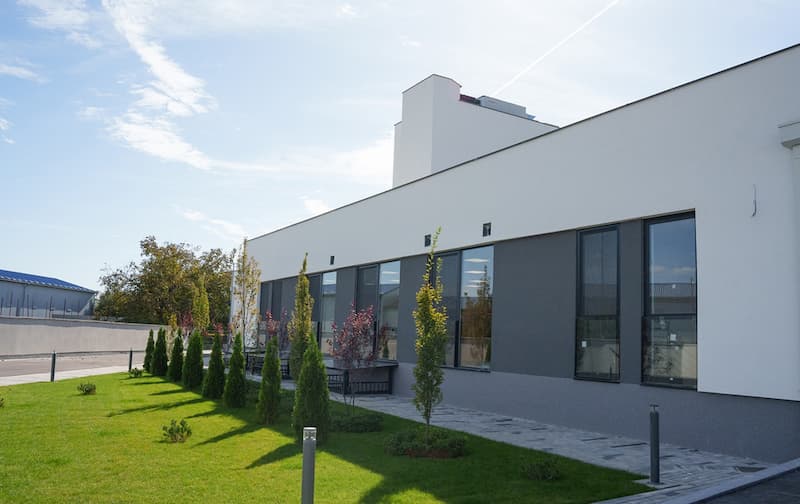
SWISS MEDICA - Belgrade / Stem Cells Treatment Clinic Swiss Medica Belgrade
Belgrade, Serbia
Swiss Medica describes a Belgrade hospital opened in 2024 with five buildings and residential patient support. Its official materials promote cell-based treatment programs; provider descriptions of experimental or investigational approaches must be distinguished from independently established efficacy for a particular diagnosis. Swiss Medica describes a hospital opened in Belgrade in 2024. Its official facility page identifies five buildings on a three-hectare site and a total developed area of ten thousand square meters. The provider presents inpatient and outpatient services alongside residential support for people attending its treatment programs. These are provider-reported facility details, distinct from independent evidence about clinical outcomes. The organization’s FAQ states that it was founded in Switzerland in 2011 and moved its clinical facilities to Serbia in 2016. It describes the new Belgrade hospital as its headquarters and separately identifies a Slovenian location focused on rehabilitation and post-treatment care. The Swiss origin of the business is therefore different from the current country where the described hospital operates. The Belgrade facility presentation includes patient accommodation, procedure areas, dining and places for rest. It also describes diagnostic resources and a laboratory within the organization. These features support a description of the physical and residential setting; they do not establish an intensive-care department, a complete licensed bed total or an independently audited count of physicians. The travel and assistance page describes a personal medical adviser, transfers, meals adapted to dietary needs and translation involving English. It presents examinations, procedures and accommodation as components of an individually arranged program. These are organizational and logistical claims made by the provider, not proof that all treatment components are clinically effective or appropriate for every diagnosis. Swiss Medica promotes cell-based and regenerative treatment programs for several neurological and other conditions. Such programs require particular care in how they are described. The provider’s own account of a treatment, laboratory or research ambition does not establish regulatory approval for every indication, comparative efficacy or a cure. This profile therefore identifies the service category without adopting claims that experimental or investigational approaches are established routine treatment. The FAQ provides routes to request certificates, arrange a virtual facility tour and contact the medical team. Its legal and professional assertions remain the provider’s statements rather than an independently completed regulatory audit. The official facility and logistics pages support the hospital’s location, reported building count and patient-support arrangements. They are kept separate from the evidence needed to assess a specific intervention, its risks, authorization and expected benefit. The institution reports the following clinical and infrastructure information: outpatient care: Yes; buildings: 5 (Belgrade hospital announced in 2024.). The scope and reporting period remain those of the linked institutional sources.
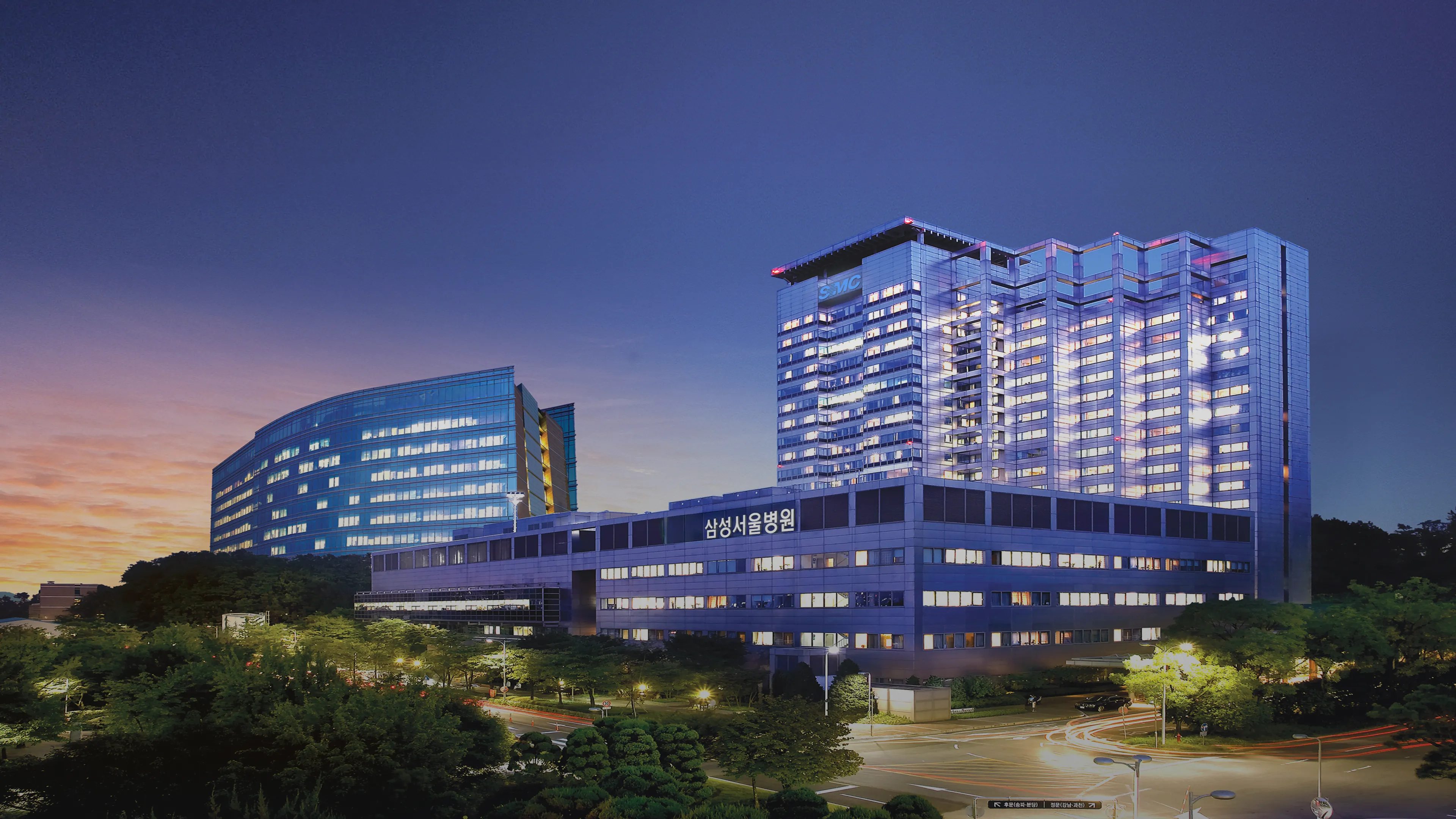
Samsung Medical Center
Seoul, South Korea
Samsung Medical Center is an academic medical institution in Seoul's Gangnam district, established in 1994. Its official introduction describes a network connecting the center with Kangbuk Samsung Hospital, Samsung Changwon Hospital and Sungkyunkwan University School of Medicine. The Seoul center's own department directory covers a broad range of adult and pediatric medicine. Its published annual report records 1,766 beds and 915 physicians as of the end of 2024, figures that should be read with that reporting date rather than as an undated description of current staffing. Cancer and cardiovascular care are prominent in the clinical service structure. Samsung Comprehensive Cancer Center and the Heart Vascular Stroke Institute are presented alongside the International Healthcare Center, Health Promotion Center and additional specialised units. The department list includes hematology-oncology, radiation oncology, gastrointestinal and hepatobiliary-pancreatic surgery, cardiology, cardiovascular surgery, neurology, neurosurgery, orthopedics, urology and transplant surgery. Pediatric subspecialties include cardiology, hematology-oncology, neurology, nephrology, gastroenterology, endocrinology and surgery. The Proton Therapy Center has a dedicated institutional description explaining pencil-beam scanning, image guidance and respiratory-motion management. It identifies clinical work involving liver, lung, pediatric and head-and-neck tumors. The center also describes research combining proton treatment with immunotherapy. These are published capabilities and research areas, rather than an assertion that proton therapy is appropriate for every cancer or that a particular patient will be accepted into a study. The treating team determines the role of radiation within the overall treatment plan. Critical-care services are independently documented. The Maternal and Neonatal Intensive Care Center combines obstetrics, neonatology and pediatric surgical specialties. Its official page describes maternal-fetal intensive monitoring, neonatal intensive care, specialist coverage and support such as extracorporeal membrane oxygenation and continuous renal replacement therapy. The hospital also lists a general critical-care department and provides inpatient guidance for international patients. This confirms an intensive-care infrastructure while keeping specialised unit capacity distinct from the hospital's total bed count. International outpatient and inpatient services are explained in separate patient guides. The hospital provides appointment channels, clinical coordination and information about admission, discharge and facilities. Its facilities directory distinguishes the Main Building, Annex, Cancer Center and Proton Center, with information about services available within the campus. Those named facilities should not be interpreted as a verified inventory of every building owned or operated by the institution. The billing guide states that payments are accepted in Korean won and describes different procedures for self-pay patients, Korean national insurance and participating international insurers. Pre-admission estimates may differ from the final bill according to actual treatment. Direct billing requires the relevant coverage and guarantee of payment, and some insurer arrangements apply only to inpatient care. Patients can therefore request a written estimate linked to the proposed clinical pathway, with confirmation of included services, deposits and insurance conditions before arranging treatment or travel.
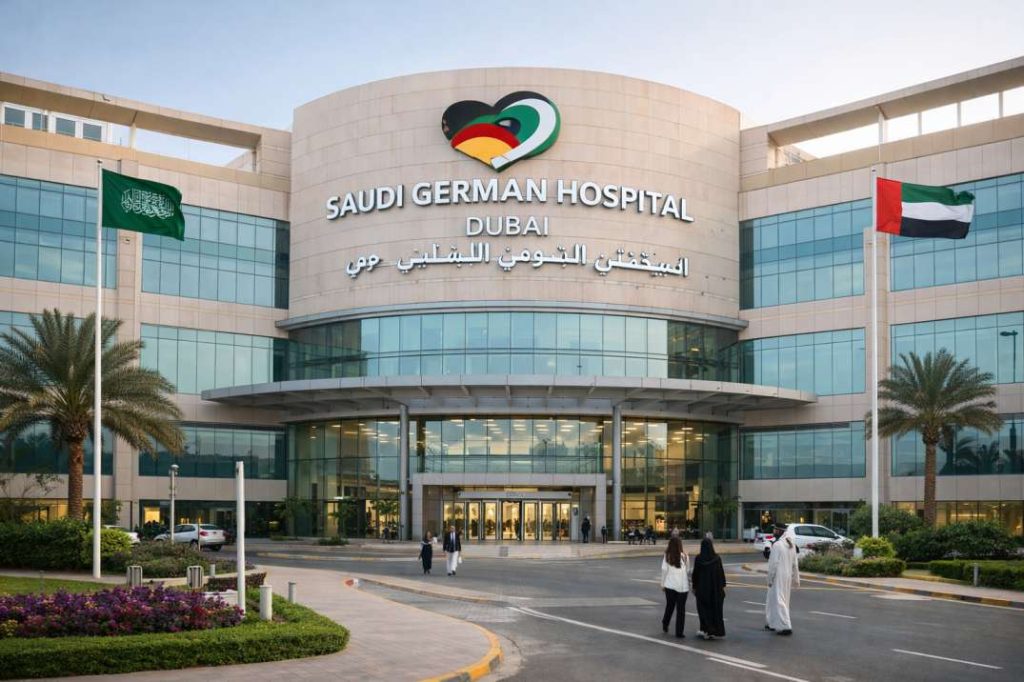
Saudi German Hospital Dubai
Dubai, UAE
Saudi German Hospital Dubai opened in 2012 as part of the Saudi German hospital organization. Its Dubai-specific profile describes tertiary medical and surgical services and critical care, while separate pages publish preventive screening offers and their payment conditions. Saudi German Hospital Dubai began operating in March 2012 as the sixth tertiary-care hospital in its group. The Dubai-specific institutional page reports three hundred beds and a range of medical specialties, subspecialties and critical-care services. This profile concerns that hospital rather than assigning the Saudi German organization’s regional workforce or bed totals to one Dubai facility. The outpatient department is described as covering more than thirty-five specialties. The official information also identifies operating theaters, cardiac catheterization laboratories and separate adult, pediatric and neonatal intensive-care resources. These are different clinical settings and reporting categories, so they are not combined into an invented total of rooms or physical buildings. The intensive-care figures listed by the provider distinguish twenty-four adult ICU beds, twelve neonatal ICU beds and eleven pediatric ICU beds. The surgical infrastructure includes four main operating theaters, one for Caesarean sections and one designated as a septic theater. The institution describes continuous operating-theater availability, which is distinct from the published opening hours of outpatient consultations. The official account reports several forms of accreditation or certification. It identifies JCI and CAP, ISO environmental management certification, a program certification concerning acute myocardial infarction and recognition for patient-centered care. Rehabilitation is addressed separately through a CARF-related description. These credentials concern different services or organizational subjects; they are not merged into one claim that every treatment has an identical certification or success rate. The wider group overview describes educational infrastructure, visiting-professor activity, subspecialty clinics and international collaborations. These provide context for the group’s professional organization. A regional partnership or group-wide educational program is not automatically evidence that a specific clinician, procedure or research study is available at the Dubai hospital on a given date. The hospital also publishes preventive offers, including obesity-related health screening, with their own conditions and payment scope. A screening price is therefore reported as the price of that defined assessment rather than the cost of bariatric surgery or any inpatient admission. The Dubai institutional page supplies the local capacity and clinical resources, while group-level materials are used only for broader organizational context. This keeps the history, infrastructure, outpatient service and published preventive offer connected without transferring figures between facilities. The institution reports the following clinical and infrastructure information: outpatient care: Yes; inpatient beds: 300 (Dubai hospital only.); intensive care / resuscitation: Yes. The scope and reporting period remain those of the linked institutional sources. The provider publishes these named service prices: Obesity health screening · BMI 30+: 3900 AED. Dubai offer for self-paying patients; prior booking required; unused services are not refundable.

Seoul National University Hospital
Seoul, South Korea
Seoul National University Hospital is an academic medical institution on Daehak-ro in central Seoul. Its history traces a line from Jejungwon in 1885 through the university hospital established in 1946 and its special corporate status in 1978. The present clinical organisation combines patient care, medical education and research. This profile covers the central Seoul campus, including its main, children's and cancer hospitals. Bundang, Boramae and the Gangnam screening centre are identified as separate organisations within the wider SNUH network rather than added to this campus's capacity. The official statistics dated 31 December 2025 report 1,635 inpatient beds across the main, children's and cancer hospitals. That total includes 130 intensive-care beds and forty neonatal intensive-care beds. The employee table separately lists 1,559 doctors; nurses, pharmacists, technologists and other staff are not included in that physician figure. The figures are dated institutional statistics, not an estimate derived from the number of floors or a combination of every network location. The main hospital alone accounts for 1,259 beds within the campus total. The department directory demonstrates a broad specialist scope. It includes cardiology, cardiovascular surgery, gastroenterology, gastrointestinal and hepatobiliary surgery, transplantation, vascular surgery and nephrology. Neurology, neurosurgery, orthopaedic surgery and trauma care appear alongside obstetrics and gynaecology, urology, ophthalmology and otorhinolaryngology. Oncology includes haematology and radiation oncology, with the cancer hospital organised separately within the campus. Critical care, rehabilitation, pain management, palliative care, dermatology and plastic or reconstructive surgery add further distinct clinical services. The children's hospital provides a dedicated paediatric setting rather than an adult-only pathway. The International Healthcare Center coordinates access for visiting patients. The outpatient instructions ask first-time visitors to bring identification and relevant medical reports or imaging, with records in English or Korean. Language support includes English, Chinese, Mongolian, Russian and Arabic. Imaging can be registered before the consultation. Adult and paediatric emergency departments operate separately, while appointment enquiries and planned specialist care follow their own scheduling process. The FAQ also explains that Seoul National University Dental Hospital has a separate appointment system; dental capacity is therefore not attributed to this profile. The hospital's Biomedical Research Institute presents research support, clinical investigation and collaboration as part of its academic activity. This provides an institutional research context without claiming that participation establishes the effectiveness of a particular procedure. Patients seeking specialist assessment can discuss the relevant department, existing diagnosis and available records with the international centre. Tests and surgery are arranged after clinical consultation, and the official FAQ notes that availability can involve further waiting rather than an immediate guaranteed operation. The FAQ publishes an initial consultation fee starting at 70,000 Korean won, excluding prescriptions, investigations and treatment. Surgery has no universal fixed tariff: an estimate follows the clinician's plan. Billing information describes insurance authorisation and direct-billing arrangements, while patients without an applicable agreement may need to pay and seek reimbursement. Confirming coverage, the written estimate and required follow-up connects the specialist treatment plan with the practical arrangements for care in Seoul.
Severance Hospital
Seoul, South Korea
Severance Hospital is part of Yonsei University Health System in Seoul's Sinchon area. Its institutional history traces the hospital to Chejungwon, established in 1885, and its current presentation combines a main hospital with specialised clinical institutions and an International Health Care Center. The wider university health system also includes Gangnam and Yongin hospitals and a dental hospital. Those separate institutions should be distinguished when selecting the location of an appointment or interpreting an institutional statistic. The Sinchon clinical structure includes cancer, cardiovascular, children's, rehabilitation and eye services. The hospital's floor guide lists gastroenterology, gastrointestinal surgery, neurology, neurosurgery, orthopedics, urology, pulmonology, thoracic surgery, infectious diseases, dermatology, plastic surgery and obstetrics and gynecology. Kidney and organ-transplantation services are also identified. Diagnostic facilities include radiography, ultrasound, angiography, computed tomography, magnetic resonance imaging, nuclear medicine and laboratory medicine, supporting referrals that require several complementary investigations. Cancer care is described through prevention, diagnosis, treatment and subsequent follow-up, with specialised teams for different diseases and advanced cases. The institutional overview discusses outpatient anticancer therapy, drug development and robotic surgery. Cardiovascular services address coronary disease, heart rhythm disorders and structural conditions. These are descriptions of clinical fields within the institution; a particular procedure and the appropriate specialist team need to be confirmed for the individual diagnosis rather than inferred from a general hospital category. Rehabilitation is a distinct part of the published service structure. Severance describes care after stroke, brain injury and spinal injury, together with pediatric and amputation rehabilitation. Its information includes robotic and assisted rehabilitation technologies and coordination with medical and surgical departments. The clinical floor guide independently identifies internal-medicine, surgical and neurological intensive-care areas, confirming critical-care infrastructure. This is separate from rehabilitation and from the hospital's ordinary inpatient wards. The public statistics page lists 2,437 beds and 821 doctors, alongside a separate total for all staff. The page does not state the reporting year for those headline figures, so they are presented as the institution's published figures with that limitation. The floor guide names several hospital facilities but does not provide a verified count of every physical building. Distinguishing the clinical institutions, inpatient capacity and staffing categories helps prevent the wider university network from being mistaken for a single hospital campus. International services include appointment coordination, English-speaking medical support and interpretation for several other languages, including Russian. The International Health Care Center dates its opening to 1962 and describes assistance adapted to patients visiting from abroad, with follow-up communication after returning home. Its billing information distinguishes Korean national-insurance procedures from private foreign coverage. Direct billing is available for contracted insurers, subject to policy conditions and exclusions. Patients can request review of their records and an individual financial proposal, confirming the receiving department, clinical location, expected investigations and treatment stages before arranging travel.
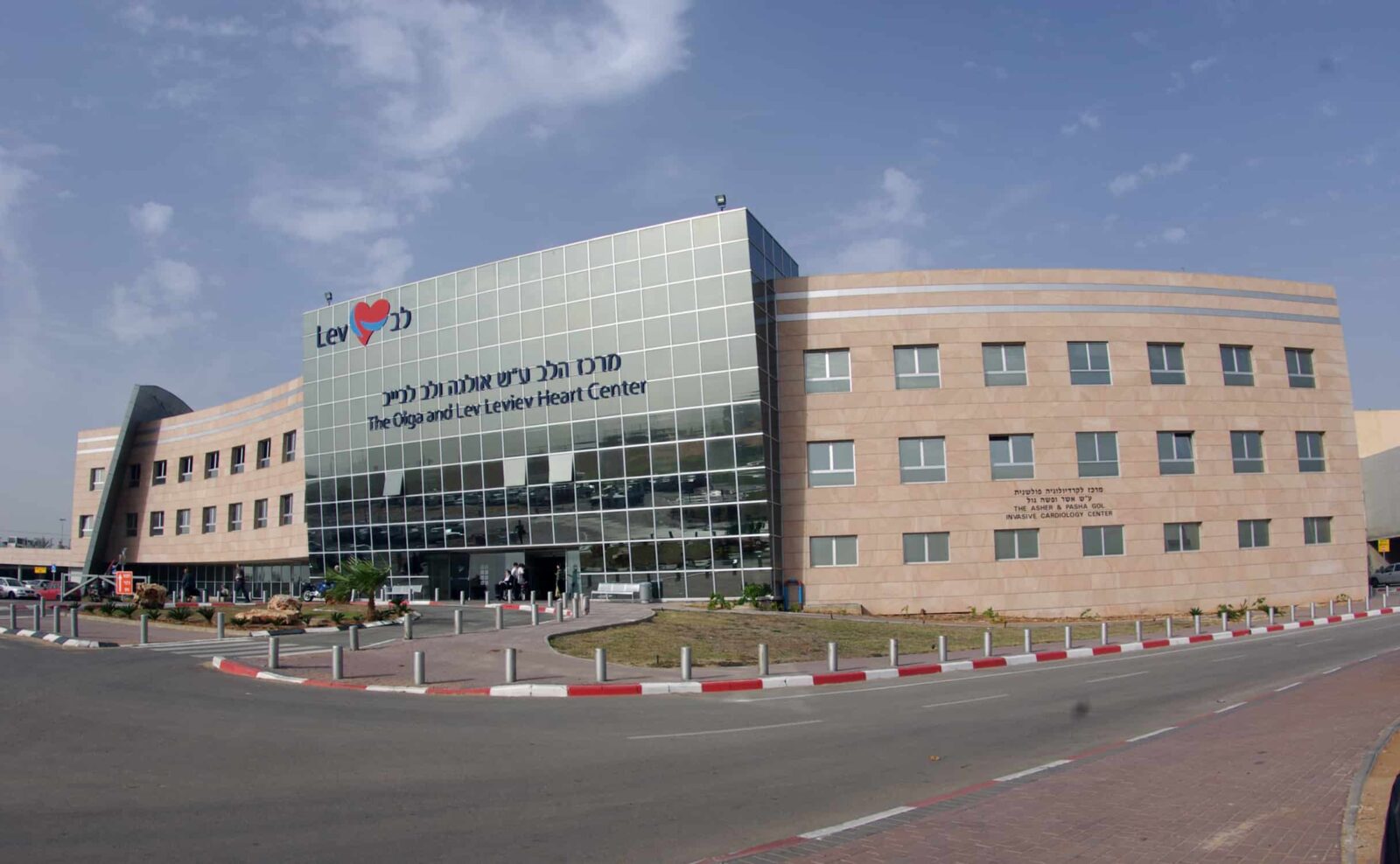
Sheba Medical Center
Ramat Gan, Israel
Sheba is a large medical campus at Tel HaShomer near Ramat Gan. Acute care, rehabilitation, maternity, children's medicine and oncology are organized as distinct services, while ARC and Sheba BEYOND address digital innovation and virtual care. The 2023–2024 sustainability report identifies six major components of the campus: the acute-care hospital, the gynecology and maternity center, the Edmond and Lily Safra Children's Hospital, the integrated rehabilitation hospital, the Jusidman Cancer Center and the Sheba BEYOND virtual hospital. They represent different treatment settings within one organization. In particular, virtual treatment encounters and rehabilitation activity are reported separately from acute inpatient work. The same report describes a campus containing 159 departments and clinics, seventy-five laboratories and approximately half a million square meters of built space. Its activity tables distinguish hospitalization days, patients, operations, emergency visits, births, outpatient encounters and virtual treatments. The figures are attached to the report's years rather than presented as a live counter. Older institutional fact sheets use different capacity and workforce totals, so the more recent report is the reference for the numerical facts displayed in this profile. Sheba's medical scope includes cardiac medicine and surgery, cancer and hematology, children's medicine, obstetrics and gynecology, orthopedics, imaging, urology and surgical services. Its institutional description emphasizes a connection between acute treatment and rehabilitation. The rehabilitation hospital is therefore an integral part of the campus's care organization, not an unrelated hotel or a general wellness service attached to the medical name. The ARC digital-innovation structure brings clinical teams, researchers, technology businesses and academic partners into a shared development environment. The official account describes evaluation and testing of digital-health technologies with hospital teams, including work involving data and clinical workflows. Sheba BEYOND is separately identified as the virtual hospital. These two names refer to different organizational functions: innovation development and delivery of virtual care. The campus also identifies national specialist services, including its burns service and intensive-care support. Its research activity spans clinical departments, laboratories and academic relationships. Historical fact sheets trace the institution's foundation to 1948 as a military hospital; that founding context is distinct from the present civilian, academic and multidisciplinary campus described in the more recent report. The institution reports the following clinical and infrastructure information: outpatient care: Yes; inpatient beds: ≈2,000 (Whole Sheba campus, ESG report 2023–2024.); doctors: 2,200 (Whole Sheba organization, ESG report 2023–2024.); intensive care / resuscitation: Yes. The scope and reporting period remain those of the linked institutional sources. Sheba’s ARC Center for Digital Innovation brings together clinicians, researchers, technology companies and academic partners. The center supports development and testing of digital health technologies in collaboration with hospital teams, including work on data-driven care and clinical innovation.
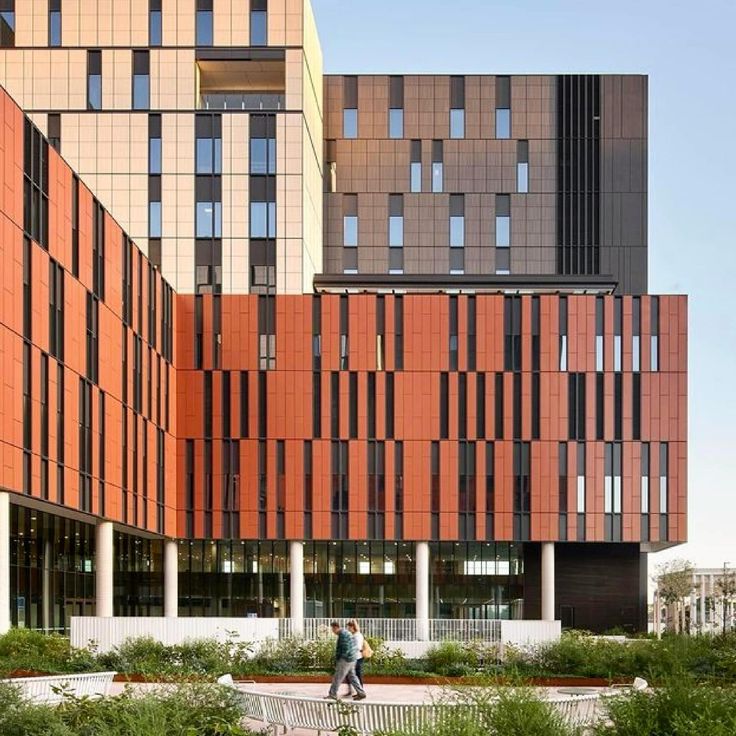
Special hospital AKSIS
Zagreb, Croatia
AKSIS identifies itself as a specialist hospital for neurosurgery and orthopedics with day-hospital activity in Zagreb. Its official access-to-information page confirms the legal service scope, and its contact pathway accepts requests for second opinions and review of medical documentation. AKSIS is a specialist hospital at Petrovaradinska Street in Zagreb. Its official legal and access-to-information pages identify hospital and specialist-consultation activity in neurosurgery and orthopedics, including day-hospital care. The institution’s clinical focus is therefore more specific than a general hospital providing every medical specialty. The official spinal surgery page lists selective endoscopic discectomy, microendoscopic decompression using the METRx system, percutaneous laser disc decompression and less invasive spinal fusion approaches such as TLIF. These are different procedures and indications within the provider’s service catalogue. Listing a technique does not establish that it is suitable for every spinal condition or superior to all alternatives. The procedural directory also contains information on foraminotomy, cervical procedures, disc replacement, vertebroplasty and kyphoplasty. The hospital describes its emphasis on less invasive approaches to selected degenerative spinal conditions. The profile retains that documented service focus without adopting universal claims about pain relief, recovery time or the elimination of surgical risk. Physical therapy is identified as a separate part of the organization, with its own contact route. This connects specialist spinal and orthopedic assessment with nonoperative or recovery-related care. A physical therapy service is distinct from a surgical admission, and neither alone establishes an intensive-care department or a particular number of inpatient beds. The contact page accepts requests for a second opinion, advice or review of existing medical documentation. Its international patient information describes an initial phase of contact, information collection and specialist opinion, followed by confirmation of diagnosis and treatment options. Before an operation, the published pathway includes administrative arrangements and assessment by the anesthesiologist and surgeon. International coordination can include help with travel, accommodation, translation and financial questions. The provider also describes postoperative observation and discharge planning. These are organizational services, not a guarantee that every intervention can be completed within a fixed number of hours. The official legal scope, procedural information and patient pathway support the hospital’s identity, while tariff information marked as being updated is not treated as a verified numerical treatment price. The institution reports the following clinical and infrastructure information: outpatient care: Yes. The scope and reporting period remain those of the linked institutional sources. AKSIS identifies itself as a special hospital for neurosurgery and orthopedics in Zagreb. Its official institutional information confirms the hospital identity and fields of practice. Details of an individual intervention, treating physician and admission arrangements should be confirmed with the hospital. The institution publishes a separate tariff, package-information or cost-estimation resource. The provider publishes service-level tariffs. Choose the procedure, location and payment category in the official price list.
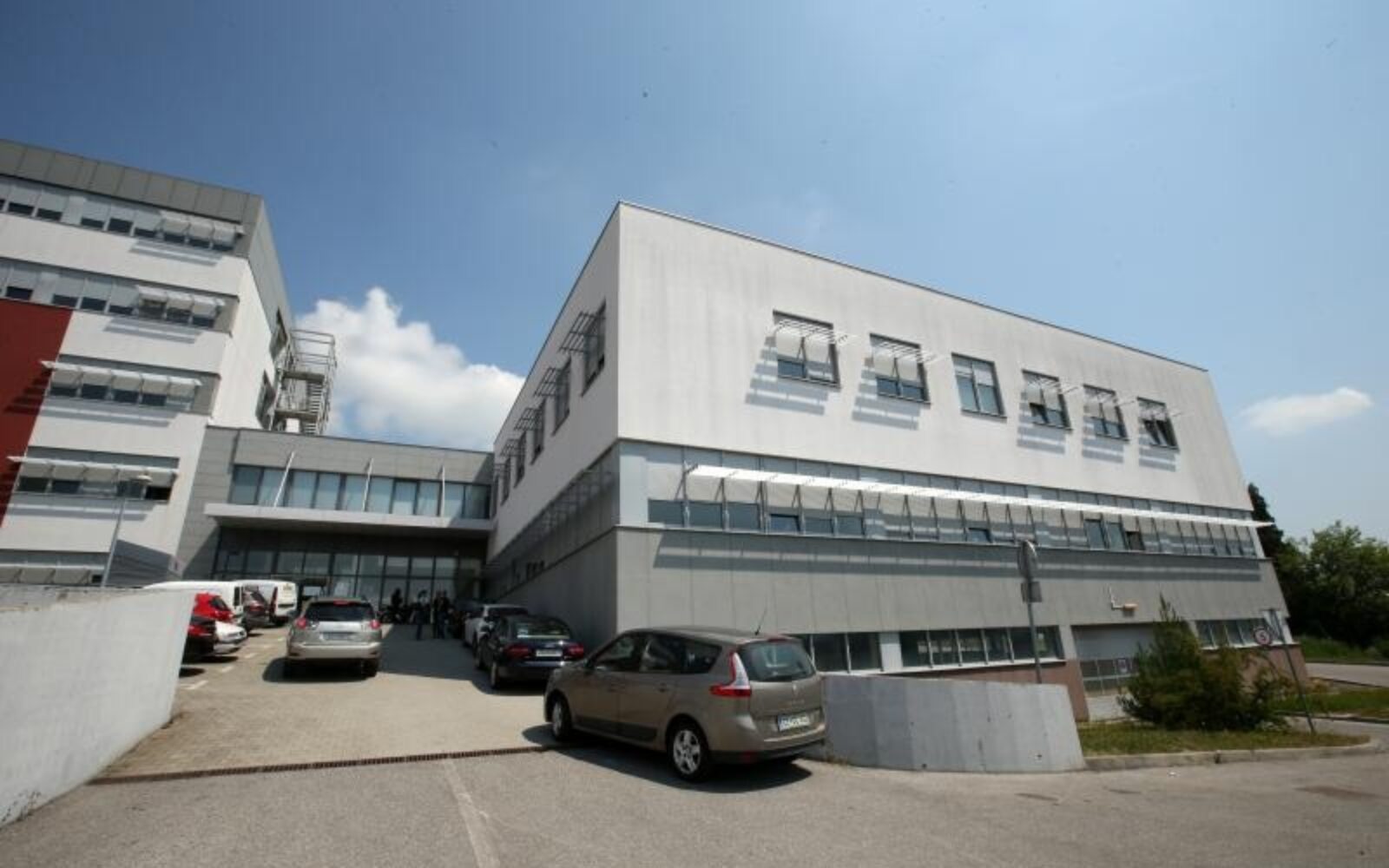
Specijalna bolnica Sv. Katarina Zagreb
Zagreb, Croatia
St. Catherine Specialty Hospital combines orthopedics, spine care, diagnostics and a wider specialist portfolio. Its institutional bibliography documents work in pharmacogenomics, molecular medicine and cartilage research, with individual treatment availability requiring assessment at the relevant location. St. Catherine Specialty Hospital, known locally as Specijalna bolnica Sv. Katarina, publishes a multidisciplinary service portfolio combining orthopedic and spine care with diagnostics and other specialties. Its official institutional information distinguishes hospital activity from specialist consultations and describes the organization’s clinical fields rather than one undifferentiated treatment program. The stated scope includes radiological diagnostics, orthopedic interventions, spinal surgery with pain treatment, sports medicine and physical rehabilitation. Neurology, cardiology, gynecology, gastroenterology and respiratory medicine are also named. Endocrinology, diabetes and metabolic disease appear alongside dental medicine, ear, nose and throat care and psychological or psychiatric support. The current service directory separately identifies computed tomography, preventive examinations, medical biochemistry, pediatric surgery, plastic and reconstructive surgery, urology and minimally invasive procedures. These categories show that clinical assessment, diagnostics, treatment and rehabilitation have distinct roles within the institution. A menu entry does not establish that every service is available at every location or without an individual assessment. The institution’s official bibliography documents scientific work associated with its professionals and organization. Topics include pharmacogenomics, molecular medicine and cartilage-related research. The bibliography gives a specific foundation for describing research activity, rather than relying on a general statement that the hospital is innovative. The published institutional scope also refers to personalized or precision medicine and regenerative medicine. These terms are kept linked to the provider’s stated activity. A research publication does not by itself establish that an investigated intervention is approved, routinely offered or effective for every diagnosis. The profile therefore distinguishes scientific activity from the clinical services that can be confirmed for an individual patient. The official website provides appointment enquiries, a patient portal, payment information, private-insurance guidance and separate tariff categories. Orthopedics, radiology, spine care, rehabilitation, dentistry and preventive genetic testing have different financial and clinical scopes. The institution also publishes access-to-information materials and annual reports. Together, these sources support its specialist hospital identity, documented service breadth and research context while avoiding an invented hospital-wide bed, building or physician count where the official material does not supply a clear site-specific figure. The institution reports the following clinical and infrastructure information: outpatient care: Yes. The scope and reporting period remain those of the linked institutional sources. St. Catherine Specialty Hospital maintains an official bibliography of research publications. Listed topics include pharmacogenomics in clinical practice, molecular medicine and cartilage repair. The bibliography records scientific work associated with the institution and does not establish that every investigated intervention is a routine service at its Zagreb site.
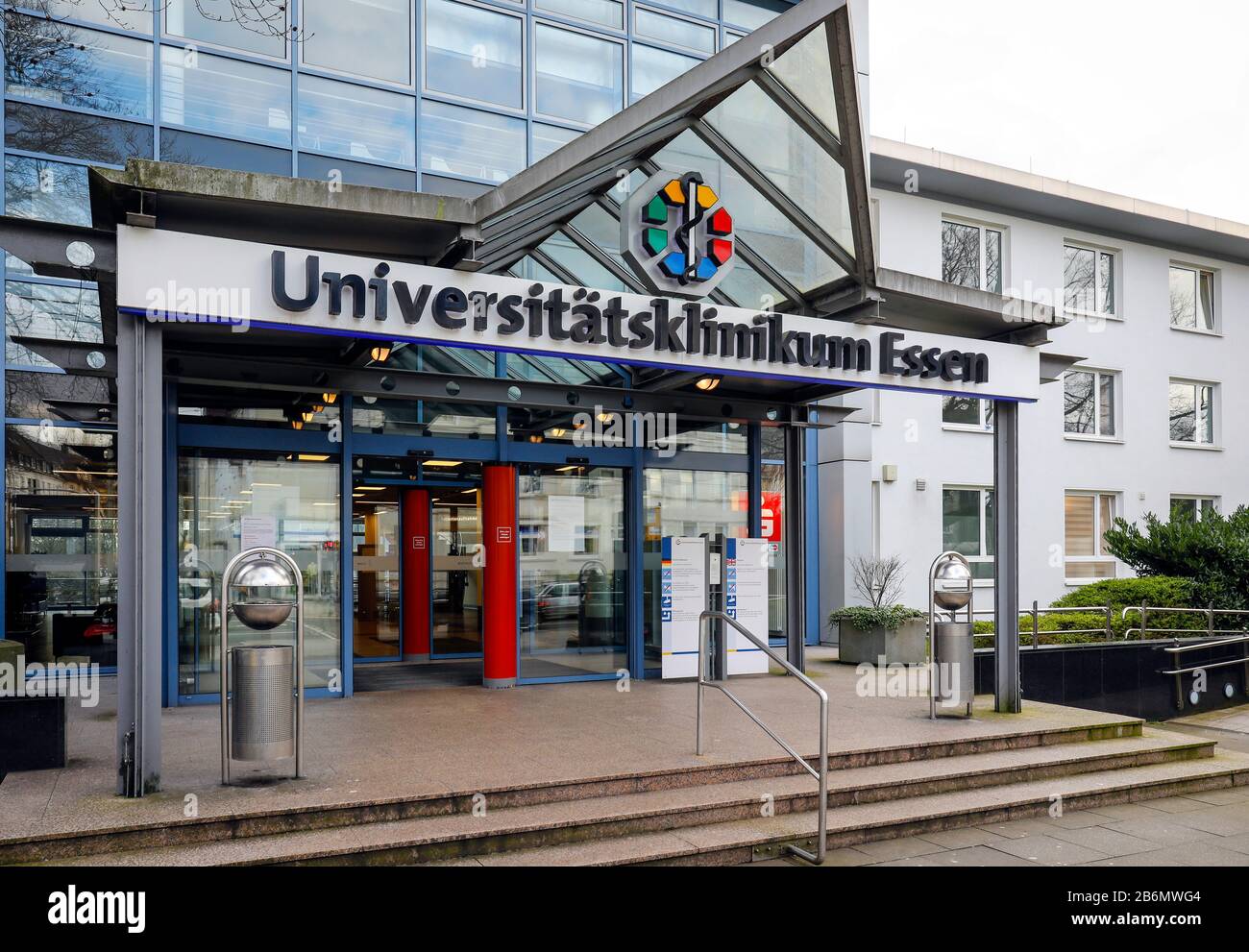
University Hospital Essen
Essen, Germany
University Hospital Essen provides university-level specialist treatment and hosts the West German Cancer Center. Its own statutory quality report identifies the hospital's bed capacity and activity, which must be distinguished from figures for the wider university-medical group or joint regional cancer networks. The University Hospital's statutory 2024 quality report provides a hospital-specific description of inpatient accommodation, clinical activity and professional staffing. It reports 51,807 fully inpatient cases, 1,507 day cases and 310,756 outpatient cases for its own scope. The categories distinguish hospital admissions from other encounters and should not be combined as though each represented a different individual patient. The report lists its inpatient beds separately from medical staffing expressed in full-time equivalents. A full-time-equivalent total measures working capacity and is not the number of individual physicians. The institution's profile therefore retains the bed figure for University Hospital Essen itself while avoiding a doctor headcount inferred from a staffing-equivalent table. Oncology is organized around the West German Cancer Center, which is identified in the hospital's institutional directory. Its annual reporting describes medical oncology, surgical oncology, hematology, radiation oncology and pediatric oncology as different parts of cancer care. Specialized nursing is also identified, including oncology-trained nurses, advanced-practice nursing, palliative care, wound and stoma expertise, and breast-care nursing. The cancer-center report covers a broader regional and university-medical network that includes University Medicine Essen and University Hospital Münster. Its combined numbers for clinics, institutes, employees and beds therefore describe that wider network. They are not substituted for the capacity of a single Essen hospital. This distinction is especially important when reading a prominent combined-network total alongside the hospital-specific statutory report. Teaching and professional preparation are documented in the hospital's own quality material. The published training categories include laboratory technology, anesthesia-related technical assistance, dietetics, nursing assistance and professional nursing, including a pediatric focus. Medical intensive treatment is identified as a separate clinical service in the hospital directory. The resulting institutional picture connects specialist hospital treatment, cancer-center coordination, critical-care support and several healthcare professions, while preserving the reporting boundaries of each official source. The institution reports the following clinical and infrastructure information: outpatient care: Yes; inpatient beds: 1,127 (University Hospital Essen itself, statutory report 2024.); intensive care / resuscitation: Yes. The scope and reporting period remain those of the linked institutional sources. University Hospital Essen includes the West German Cancer Center, an institutional center for oncology care. Its official hospital directory identifies the center and provides a route to specialist information and patient services.
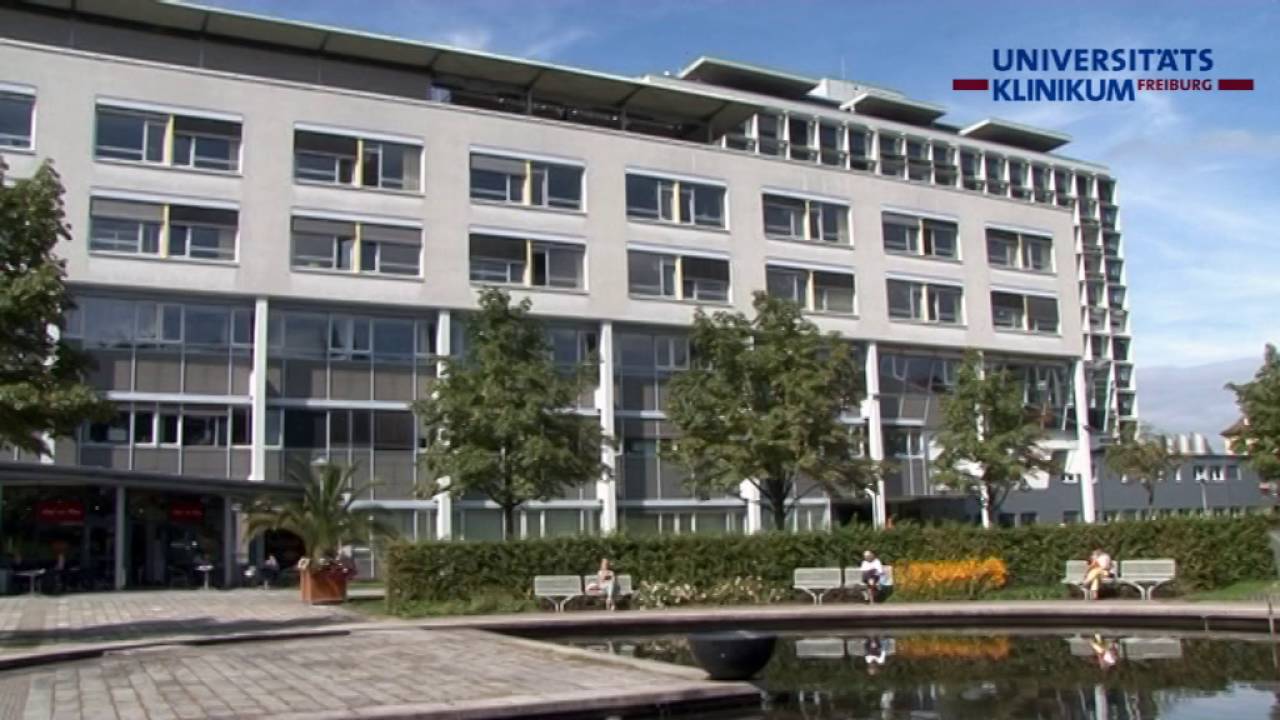
University Medical Center Freiburg
Freiburg, Germany
University Medical Center Freiburg combines hospital treatment, medical education and research. Its Comprehensive Cancer Center connects clinical oncology with laboratory work and early-phase studies, while the wider institution provides medical and surgical care for adults and children. The institution's facts-and-figures page explicitly connects patient treatment, medical teaching and research. It distinguishes medical and nursing staff and reports inpatient activity separately from ambulatory visits. The same source identifies surgical activity, births, transplant work and average length of stay as different indicators of hospital operation. These measures describe different clinical functions rather than interchangeable counts of patients. The current institutional account reports transplant activity involving corneas, stem cells, kidneys, lungs and the pancreas. This is a stated area of hospital work and is not converted into a claim that every kind of transplantation is suitable or available for every referral. The published numbers remain attached to the source's reporting scope and do not describe the availability of a particular organ, donor program or inpatient place. The 2024 annual report documents a new children's and adolescent medicine building, handed over to the medical center in September of that year. It also reports its own clinical, workforce and research-funding indicators. The broader institutional overview and the statutory quality report use different organizational boundaries, so the bed and staffing figures from those documents are not treated as identical measurements. Freiburg's Comprehensive Cancer Center describes a research structure connecting laboratory findings with clinical investigation. A central clinical-trials unit and early-phase units for adults and children are identified in its research information. These units help organize the evaluation of new oncology approaches within a defined research setting, alongside the institution's established clinical departments. The university medical center also publishes dedicated information on anesthesia and intensive medicine. This establishes critical-care support as part of the clinical organization, rather than leaving its presence to be inferred from the hospital's size. Professional nursing education is documented in the statutory quality material. Together, the hospital's own reports describe a multidisciplinary teaching institution with adult and pediatric services, operative and transplant activity, critical care and an organized cancer-research infrastructure. The institution reports the following clinical and infrastructure information: outpatient care: Yes; inpatient beds: 2,210 (Current institutional facts page.); doctors: ≈2,000; intensive care / resuscitation: Yes. The scope and reporting period remain those of the linked institutional sources. Freiburg’s Comprehensive Cancer Center describes research that connects laboratory findings and clinical trials. Clinical trial support includes a central trials unit and early clinical trial units for adults and children, helping organize the evaluation of new approaches in oncology.