Gynecology
Providers publishing information about this clinical service.
Sector Summary & Scope
This report covers our global network of accredited hospitals specializing in Gynecology. We have identified 12 leading providers that meet international clinical protocols, offer bilingual coordinators, and deliver premium inpatient accommodations.
Accredited Network Providers
Asan Medical Center
Seoul, South Korea
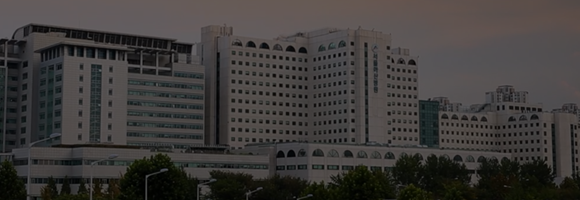
Asan Medical Center is a multidisciplinary hospital in Seoul's Songpa district and the principal hospital of the ASAN Foundation's medical network. Its institutional introduction dates its establishment to June 1989 and connects clinical treatment with research, education and the foundation's social-welfare mission. The published capacity is 2,446 beds. This figure belongs to the Seoul medical center; the foundation's wider network of hospitals should not be treated as the capacity of this individual institution. The official department directory demonstrates a clinical scope extending well beyond the specialities most often associated with international referrals. It lists oncology, radiation oncology, cardiology, thoracic and cardiovascular surgery, neurology, neurosurgery, orthopedics, gastroenterology, nephrology, urology, rheumatology, dermatology, ophthalmology, obstetrics and gynecology. Surgical services include colorectal, hepatobiliary, pancreatic, vascular and breast surgery. Emergency medicine, anesthesiology, pain medicine, rehabilitation and diagnostic disciplines appear as separate departments, supporting the management of patients whose needs cross several specialties. Organ transplantation is explicitly represented in the directory through liver, kidney and pancreas services. The hospital also presents dedicated cancer, heart and children's services. The pediatric critical-care information describes distinct acute and growing-care areas and isolation arrangements, confirming intensive-care capability without implying that every inpatient bed is an intensive-care bed. The appropriate clinical destination depends on the condition being assessed, so international patients can request review by the relevant department rather than selecting a hospital only from a general list of treatments. Research forms a substantial part of the institution's own description. It identifies the Asan Institute for Life Sciences and Clinical Research Center and describes work connecting basic medicine, clinical studies, industry collaboration and medical engineering. Published research themes include anticancer treatment, medical robotics and devices, molecular imaging, chronic disease and infection. These describe the organisation's research activity; access to a specific clinical study or investigational intervention remains separate from an ordinary appointment request and depends on the study's own criteria. International patient support includes appointment coordination, language assistance and a dedicated billing contact. The current contact page lists interpretation in English, Japanese, Chinese, Russian, Mongolian, Arabic and Vietnamese. The hospital provides separate channels for treatment enquiries, financial questions and professional education. Its location information identifies the Songpa campus, local transport connections and shuttle services, helping patients plan access to the medical center after a consultation has been arranged. The billing page distinguishes patients using Korean national insurance from those relying on private international coverage. Direct billing depends on the insurer, the individual policy and any required guarantee of payment, with exclusions confirmed before treatment. Patients can request an individual financial assessment and clarify the documentation required for reimbursement. These arrangements describe how payment may be coordinated; they do not establish a single hospital-wide treatment price. A written proposal should identify the department, proposed investigations, treatment stages and expected charges for the particular case.
Burjeel Medical City
Abu Dhabi, UAE
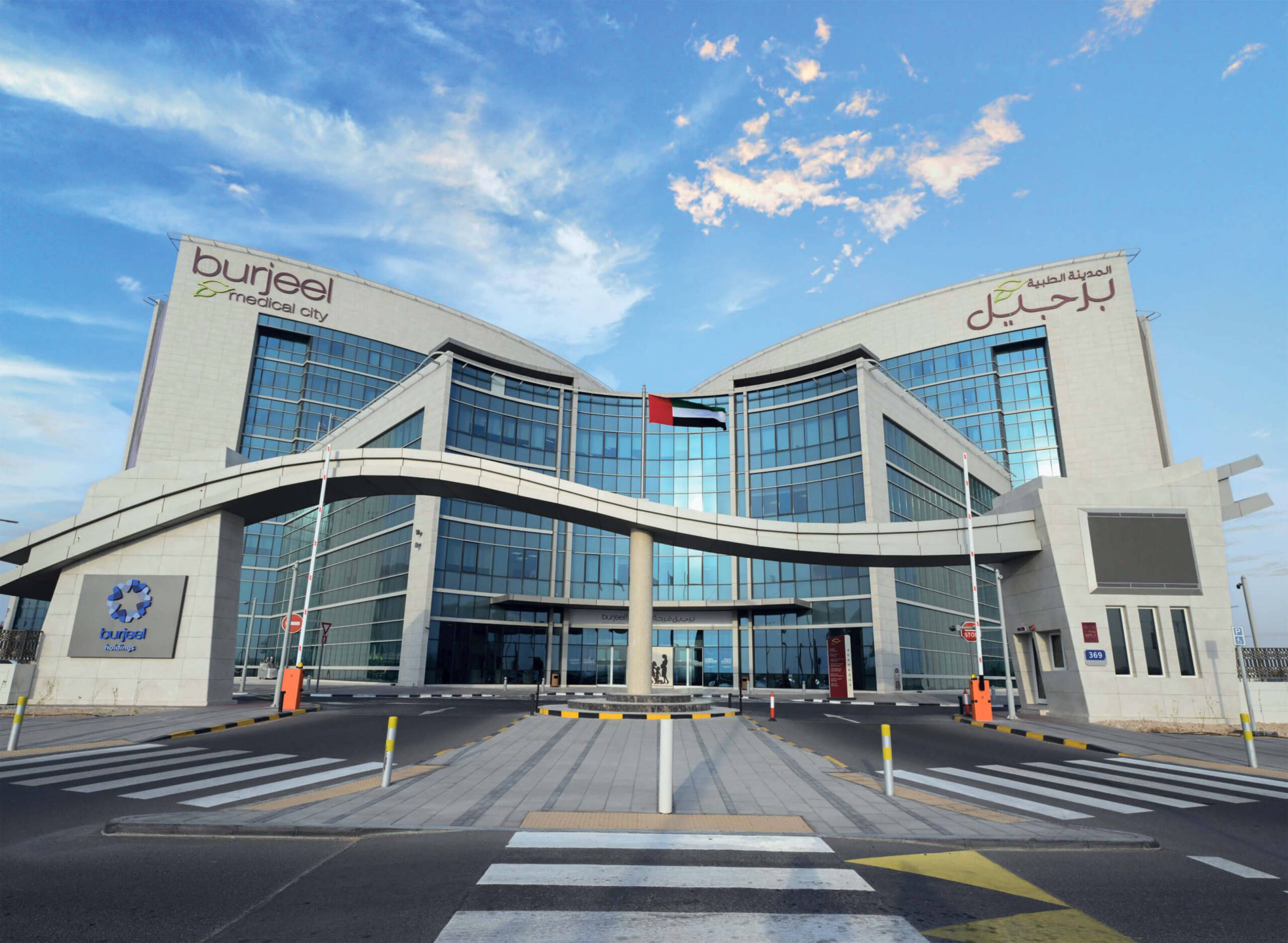
Burjeel Medical City is a quaternary-care facility in Abu Dhabi. Its adult intensive-care service describes multidisciplinary life support and single-room monitoring, while the hospital's preventive packages identify specific tests and consultations rather than a universal admission price. Burjeel Medical City is the Abu Dhabi flagship hospital of Burjeel Holdings. The institution describes a quaternary-care organization with more than sixty medical specialties, diagnostic services and dedicated centers for cancer, rehabilitation, pediatrics and critical care. Its official overview reports more than 350 beds and identifies a physician workforce separately from the broader hospital team. The adult intensive care service provides a detailed example of its high-acuity clinical organization. The official department page describes twenty-two equipped single rooms and continuous intensivist-led coverage. It identifies a one-to-one nurse-to-patient ratio for high-acuity cases, rather than presenting that ratio as a universal arrangement for every ward or every stage of admission. The department’s stated clinical scope includes acute respiratory failure, severe infection and septic shock, observation after major surgery, neurological illness, cardiovascular conditions and major trauma. These are examples of the conditions addressed by the service. Admission still concerns patients who require critical-care assessment and support rather than everyone undergoing a planned hospital procedure. The published treatment resources include invasive and noninvasive ventilation, circulatory support, renal replacement therapy and monitoring of intracranial pressure. The page also describes nutrition planning and early rehabilitation input. These are organized within a multidisciplinary model, connecting medical treatment with nursing, nutrition and recovery-related work during a critical illness. The ICU information identifies access to computed tomography and MRI, bedside laboratory examinations, ultrasound, chest radiography and echocardiography. It also describes connections with the cardiac catheterization laboratory and operating theaters. These links explain the department’s relationship to diagnostic and procedural services, without converting a list of technologies into a claim of comparative treatment superiority. The hospital’s public information includes appointment booking and a physician directory as well as continuous emergency services. Preventive health packages are published separately, including a defined basic heart-health package. That package has its own listed assessments and financial scope. The profile keeps its price distinct from the cost of cardiac treatment, intensive care or an inpatient stay. The hospital overview and adult intensive care description support the clinical facts, while the package page supports only the named preventive service. The institution reports the following clinical and infrastructure information: outpatient care: Yes; intensive care / resuscitation: Yes · 22 adult ICU single rooms; inpatient beds: 350+ (Medical City institutional overview; not all Burjeel hospitals.); doctors: 200+ (Physicians reported by Medical City; institutional overview.). The scope and reporting period remain those of the linked institutional sources. The provider publishes these named service prices: Basic Heart Health Package: 3798 AED. Cardiology assessment and the listed tests; confirm current booking conditions.
Charité Berlin
Berlin, Germany
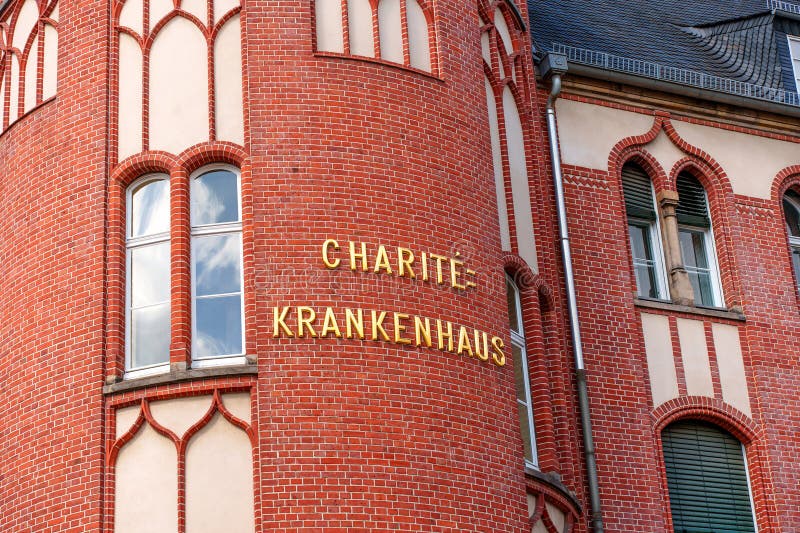
Charité is Berlin's university medical institution, linking patient care, research and education across four campuses. Its centers encompass a broad range of clinical and scientific disciplines; annual reporting separates hospital activity from the wider group and identifies physicians and researchers as a combined category. The institution's annual accounts describe more than one hundred clinics and institutes working across four campuses. Clinical treatment, biomedical investigation and medical education are presented as connected activities of the same university institution. The campus count is an organizational and geographical description; it is not a statement that Charité consists of four individual buildings. Charité's annual reporting distinguishes the university hospital from the wider consolidated group. It also separates inpatient and day-case activity from outpatient cases. The 2024 report records 143,759 inpatient and day-case patients and 822,547 outpatient cases. These measures describe different care settings and reporting definitions, so they are not combined into a claim about the number of unique people treated. The planned bed figure is linked to Berlin's hospital planning arrangements rather than to a live count of vacant places. The workforce tables also require attention to their categories. Charité reports nursing staff separately from the combined scientific and medical category. The latter includes both physicians and researchers and therefore does not provide a stand-alone count of practising doctors. This is why the profile preserves an explicit distinction between a verified workforce category and the doctor field requested in the clinical facts. The official research portal describes basic biomedical science, patient-oriented investigation, clinical studies and shared infrastructure. It identifies interdisciplinary cooperation and support for translating laboratory questions into clinical research. External research funding is reported through distinct public, academic, foundation, industry and other sources in the annual account, documenting an organized research environment rather than an assumption based solely on the hospital's university name. Clinical departments provide their own patient information and access arrangements. The nephrology and intensive-medicine service is one documented example, linking specialty consultation with the corresponding inpatient and critical-care services. International financial information is likewise department-specific: the published DHZC guidance describes individual estimates after medical review and prepayment arrangements, rather than one treatment price applicable to every Charité clinic. The institution reports the following clinical and infrastructure information: outpatient care: Yes; inpatient beds: 3,293 (Charité including DHZC, 2025.); intensive care / resuscitation: Yes. The scope and reporting period remain those of the linked institutional sources. Charité connects basic biomedical research with patient-oriented clinical research. Its official research portal describes interdisciplinary collaborations, clinical studies, shared research infrastructure and support for translating laboratory findings into clinical questions.
Cleveland Clinic Abu Dhabi
Abu Dhabi, UAE
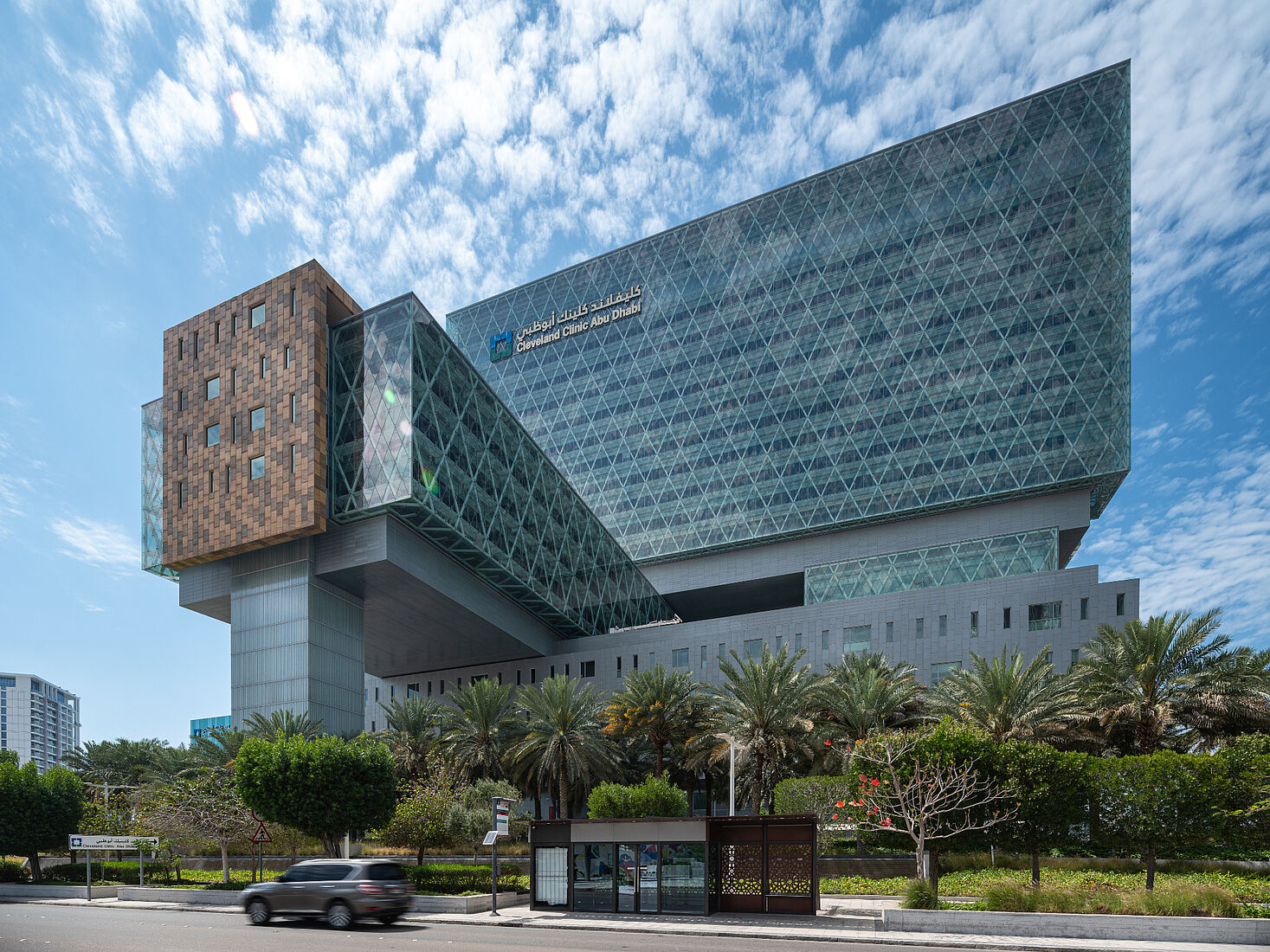
Cleveland Clinic Abu Dhabi is a specialist hospital organized into clinical institutes. Its current facts page distinguishes licensed capacity from possible expansion and identifies acute care, surgery and diagnostic infrastructure, while its Abu Dhabi identity is separate from Cleveland's Ohio main campus. Cleveland Clinic Abu Dhabi opened in 2015 and is a specialist hospital in the United Arab Emirates. Its organization is structured through clinical institutes that bring related disease areas and professional teams together. It is distinct from Cleveland Clinic’s Ohio main campus, although it shares the wider organization’s clinical model and institutional identity. The current facts page reports 406 licensed beds, with potential expansion to 490. Licensed capacity and possible future capacity are different measures, so the larger number is not used as the current bed total. The page separately lists operating rooms, acute-care resources and critical-care beds. Those categories are preserved rather than added together into an unsupported new overall capacity. The named institutes include diagnostics, digestive disease, heart, vascular and thoracic medicine, integrated hospital care, cancer, integrated surgery, medical specialties and neurology. The hospital’s sustainability report explains its disease-grouping approach as a way to support cooperation among specialties and continuity between stages of treatment. This describes the organization of care, rather than a claim that all diagnoses follow one uniform pathway. The published facilities include a continuously operating emergency department, operating theaters and diagnostic and treatment areas. The hospital also identifies a multidisciplinary simulation center, pharmacy and event or conference facilities. Clinical infrastructure, professional training space and visitor amenities have different purposes and are not treated as interchangeable measures of hospital size. A 2025 institutional announcement gives a separate account of the workforce, distinguishing more than five hundred and ninety physicians from nurses, allied health professionals and the overall caregiver population. These are institution-specific categories rather than figures borrowed from Cleveland Clinic’s worldwide network. The announcement marks the hospital’s first decade and discusses the contribution of staff who had worked there since its opening. The sustainability report addresses research, education, medical innovation, patient communication and the hospital’s multidisciplinary model. Its older bed figure differs from the current facts page, so the current licensed figure is used with a clear source. Together, these official publications establish the Abu Dhabi hospital’s clinical organization, acute and critical-care capabilities and professional structure while retaining the date and scope of its reported statistics. The institution reports the following clinical and infrastructure information: outpatient care: Yes; inpatient beds: 406 (Licensed capacity, not expandable capacity of 490.); intensive care / resuscitation: Yes; doctors: 590+ (Physicians, institutional announcement of 23 July 2025.). The scope and reporting period remain those of the linked institutional sources.
Erasmus Medical Center Rotterdam
Rotterdam, Netherlands
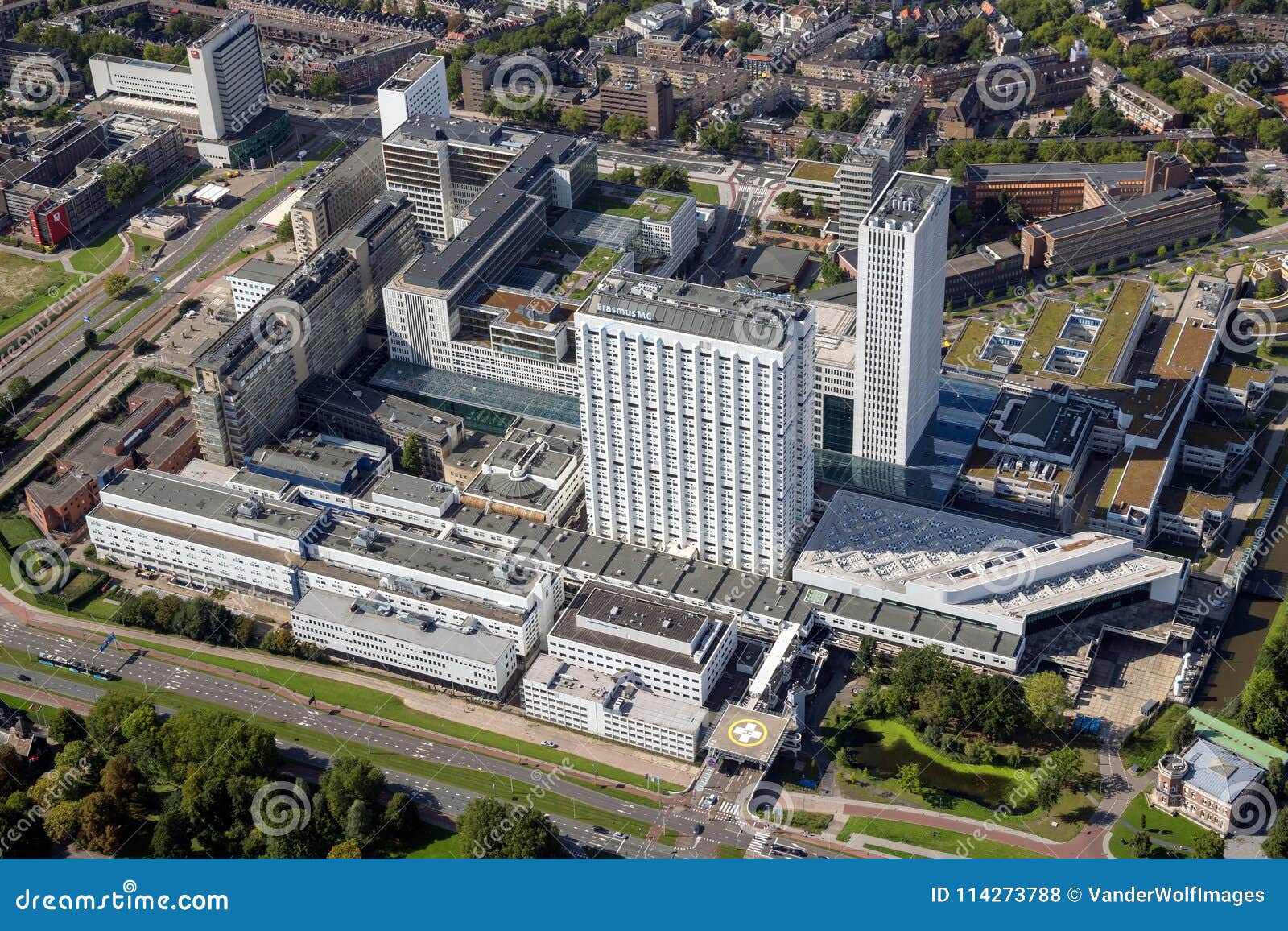
Erasmus MC in Rotterdam combines university hospital treatment with medical education and scientific research. Its annual reporting discusses clinical services, digital and hybrid outpatient care and long-term investment in medical technology and hospital infrastructure. Erasmus MC is Rotterdam’s university medical center, bringing specialist patient care together with medical education and scientific research. Its official patient navigation distinguishes the general university hospital, Sophia Children’s Hospital, the Cancer Institute, the Transplant Institute and the Heart and Vascular Institute. These are related components of an academic medical organization with different clinical populations and service pathways. The institution’s 2025 annual reporting emphasizes highly complex care for patients who need specialized expertise. It also describes cooperation with other healthcare organizations and changes in how hospital care is delivered. This is a documented strategic direction, rather than a claim that every illness requires tertiary hospital treatment or that all regional care takes place on the Erasmus MC campus. The published investment program covers hospital property, digital systems, information technology, medical technology and innovation. The annual report describes a long-term program extending from 2026 to 2050, including work concerning Sophia Children’s Hospital, research accommodation and psychiatry. Planned investment is identified as a future infrastructure program, not as facilities already completed or a current count of hospital buildings. Digital and hybrid outpatient care appear as specific themes. The named programs discuss connections between patients and care teams and changes to outpatient organization. The hospital also provides a patient portal and a digital application. These resources are separate from inpatient admission and intensive care, illustrating that the institution’s clinical work takes place through several forms of contact. The official patient website includes specialty and clinic directories, information on investigations and operations, waiting times, registration, appointments and hospital admission. It has separate routes for scientific study participation and for obtaining a second opinion. A research-participation page is not treated as evidence that every patient is enrolled in a trial; it identifies a route for learning about the institution’s scientific work. Erasmus MC publishes both annual financial reporting and environmental reports, with downloadable versions for different years. The reporting distinguishes staff, clinical activity, property and service arrangements. This profile uses those materials to describe the academic hospital’s organization and development, while avoiding the conversion of an equipment contract, floor area or future capital plan into an invented bed, doctor or building count. Its intensive-care specialty is separately documented in the linked official service information. The institution reports the following clinical and infrastructure information: outpatient care: Yes; intensive care / resuscitation: Yes. The scope and reporting period remain those of the linked institutional sources. The institution publishes a separate tariff, package-information or cost-estimation resource. Official charges / cost-estimation information. The charge list is not the amount every patient pays: select the location, service and insurance or self-pay category.
Heidelberg University Hospital
Heidelberg, Germany
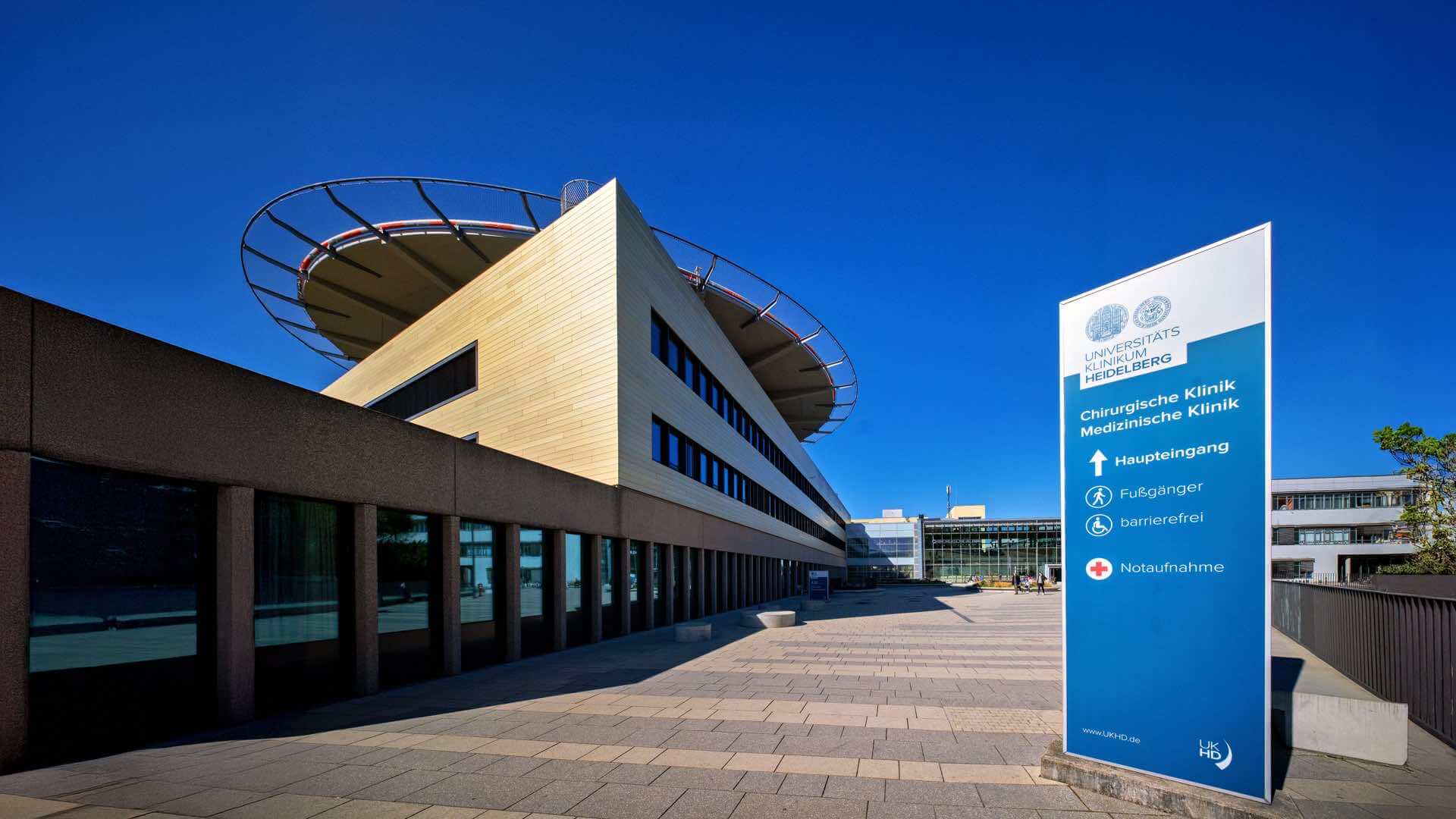
Heidelberg University Hospital organizes specialist care through major clinical centers, including surgery, internal medicine, children's medicine, women's health and head specialties. Cancer care is linked with the National Center for Tumor Diseases, while institutional research spans neuroscience, infection, cardiovascular medicine and digital health. The institutional directory identifies major centers for surgery, internal medicine, head specialties, orthopedics, trauma and spinal-cord injury care. It separately names children's and adolescent medicine, the university women's hospital, dermatology, and psychosocial medicine, prevention and family health. This is a clinical-center structure within the Heidelberg university-medical organization, rather than a list of equivalent stand-alone hospitals. Cancer care is represented by the National Center for Tumor Diseases Heidelberg and the Hopp Children's Tumor Center. The adult center's official description explains interdisciplinary assessment and coordination across specialist departments. Its role is therefore to connect the relevant clinical expertise for cancer treatment, while pediatric oncology has its own identifiable institutional setting. A reference to the cancer center does not mean that every procedure occurs in the same ward or under one financial package. The hospital identifies cancer, neuroscience, infection and immunology, and cardiovascular research as institutional research priorities. Digital health, artificial intelligence, robotics, global health and prevention appear as additional profile areas. These are the categories used by the university hospital to describe its scientific work; they are distinct from an announcement that a particular experimental intervention is routinely offered to all patients. The 2024 institutional figures are explicitly labeled as group figures. They include beds, fully inpatient patients, outpatient cases and employees across the reporting scope. The statutory quality report for the campus uses a narrower boundary and reports its own inpatient capacity and staffing. Consequently, the group and campus figures cannot be substituted for one another, and staffing expressed in full-time equivalents is not presented as a headcount of individual doctors. The quality-report material also documents professional education beyond medicine, including nursing and anesthesia-related technical training. Together with the university clinics and research priorities, this describes a teaching environment with several professional groups. Department-level information, such as the published guidance for the intensive-care ward, adds the practical clinical setting to the institution's wider academic and organizational account. The institution reports the following clinical and infrastructure information: outpatient care: Yes; inpatient beds: 2,589 (UKHD group, annual report 2024; broader than one hospital building.); intensive care / resuscitation: Yes. The scope and reporting period remain those of the linked institutional sources. The National Center for Tumor Diseases Heidelberg brings together specialists involved in adult cancer care at Heidelberg University Hospital. Its official description explains interdisciplinary assessment and coordination of treatment across the hospital’s specialist departments.
Kamol Cosmetic Hospital
Bangkok, Thailand
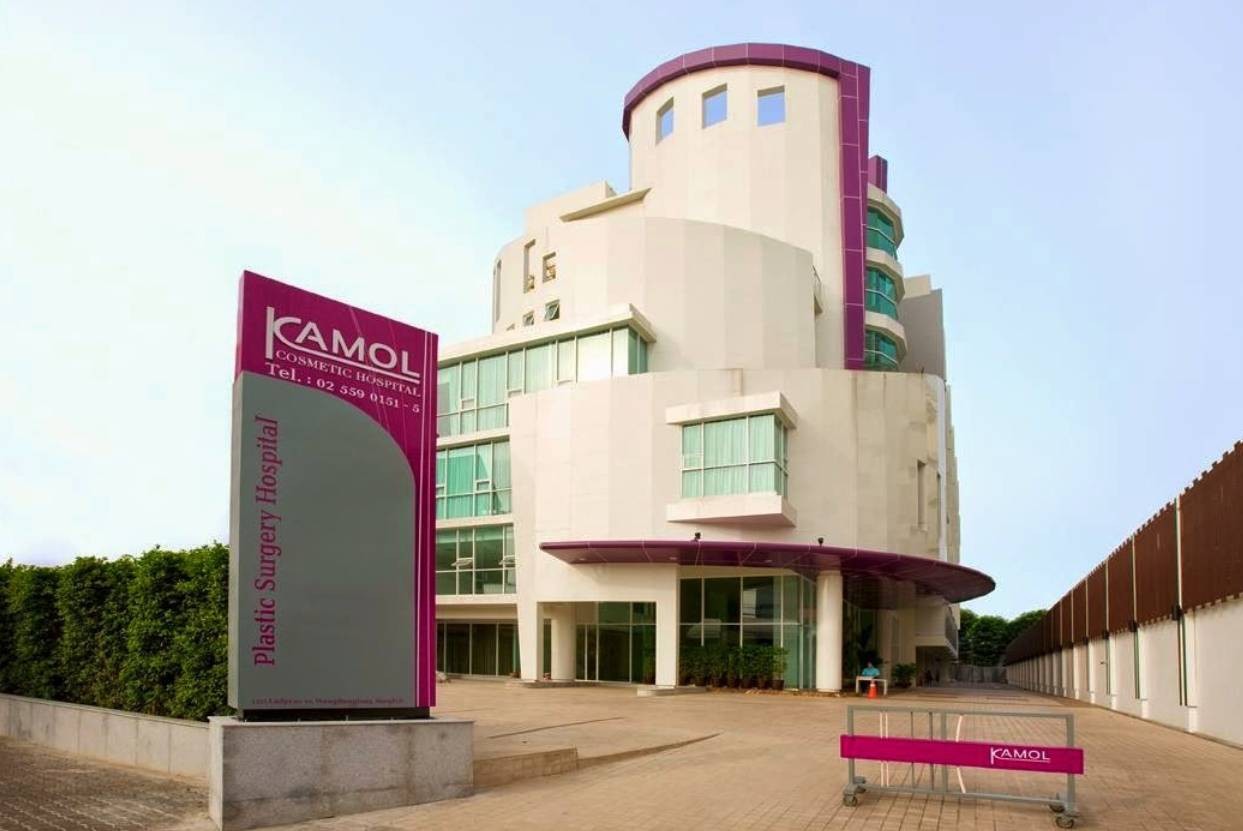
Kamol Cosmetic Hospital is a specialist aesthetic and gender-affirming surgery institution in Bangkok, founded and led by surgeon Kamol Pansritum. Its official introduction describes a development from a smaller clinical practice into a hospital serving international patients. The clinical model combines plastic surgery with other specialties involved in assessment, surgery and recovery. Its public presentation focuses on individual identity and coordinated care rather than treating every gender-affirming or cosmetic operation as one interchangeable procedure. The service directory separates male-to-female and female-to-male surgical pathways. Listed options include genital reconstruction, revision vaginoplasty, peritoneal vaginoplasty, chest surgery, hysterectomy, phalloplasty and metoidioplasty. Facial feminisation and masculinisation, voice-related surgery and other selected procedures appear as distinct services. The presence of an item in the directory does not settle eligibility, technique or the sequence of care. Those details depend on the relevant clinical assessment and the agreed treatment pathway, particularly when more than one specialty is involved. The public doctors page contains twenty-six distinct named physicians after removing a repeated entry. It includes plastic surgeons, anaesthesiologists, psychiatrists, gynaecological and urological specialists, general and colorectal surgeons, and other clinical roles. This count describes the published roster, not an audited employment total. The team structure helps explain why assessment and postoperative care may involve physicians beyond the operating surgeon. The hospital's aesthetic directory additionally includes nose and facial procedures, breast and body contouring and hair restoration, with skin services shown separately. The facility tour describes a purpose-built hospital with outpatient assessment and minor procedures on the third floor, operating facilities on the fourth and inpatient wards on the fifth and sixth. A monitored recovery area is described as having eleven beds. That is a recovery-area figure rather than the hospital's total inpatient capacity, and it does not establish an intensive-care unit. The upper medical residences are accommodation facilities, not automatically additional registered hospital beds. The source's room dimensions likewise do not provide a building or bed census. Diagnostic and supporting facilities include laboratory work, radiography, ultrasound, electrocardiography and cardiac assessment. The operating-floor presentation distinguishes microsurgical and endoscopic areas, with postoperative monitoring close to the theatres. The wellness and diagnostic floor also identifies men's, women's and LGBTQ+ clinics, dermatology, lasers and hair services. These descriptions show how assessment, surgery and recovery are arranged within the institution. They are provider statements about available facilities, without a promise that every visitor requires all of the listed investigations. International enquiries can be made directly without a referral. The contact information describes in-person and secure video consultations, English and Thai communication and interpretation in other languages on request. The team asks for the intended procedure and relevant medical history, and can assist with transfers and accommodation. Treatment requires an individual written quotation rather than a universal published surgical tariff. Confirming the responsible specialists, admission, follow-up and local recovery stay allows the surgical plan to be coordinated with the patient's return journey and subsequent contact.
LMU University Hospital Munich
Munich, Germany
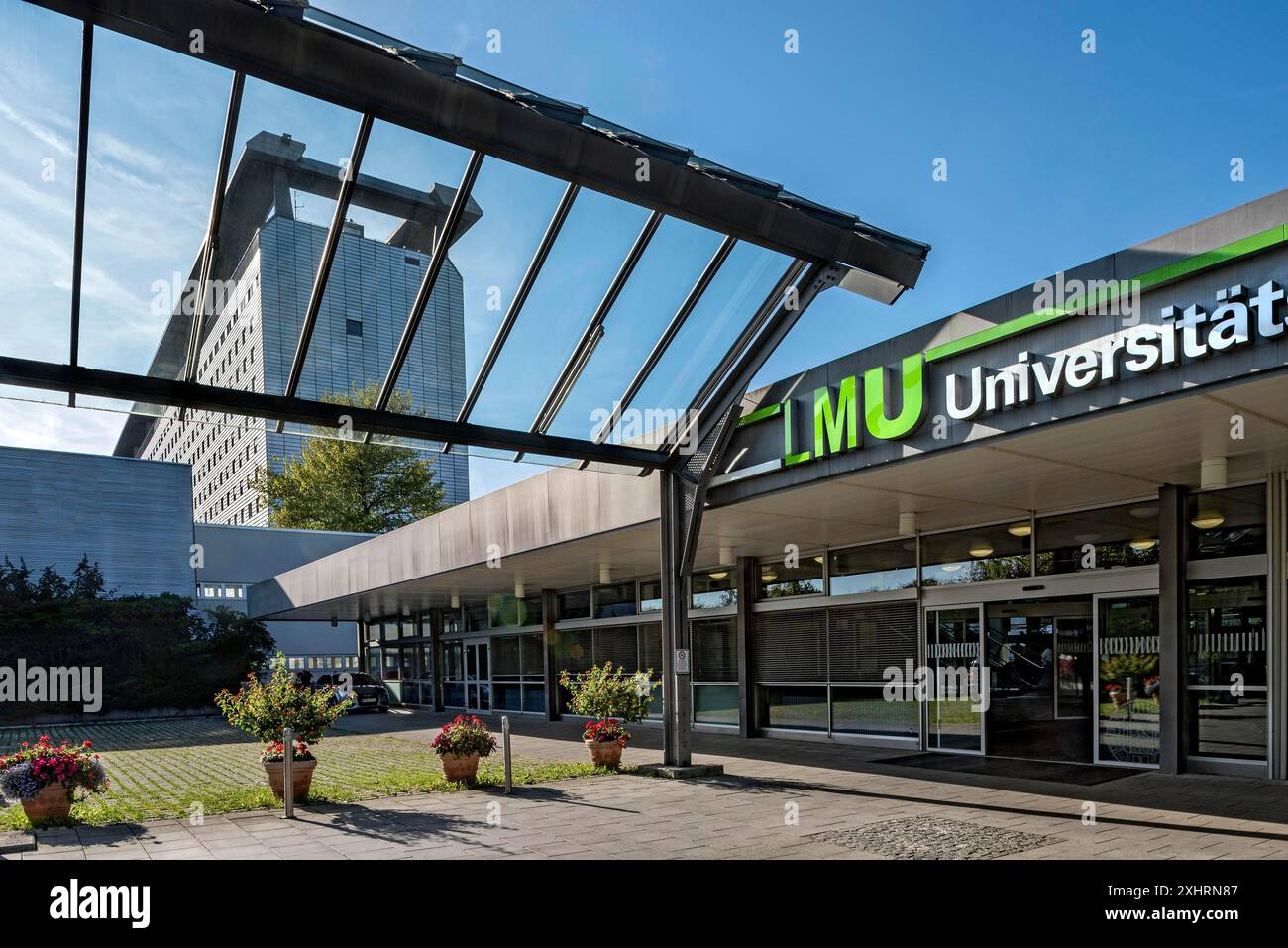
LMU Hospital operates the Großhadern and Innenstadt campuses in Munich. Its specialist clinics, institutes and interdisciplinary centers connect outpatient and inpatient care with the Ludwig Maximilian University medical faculty, including organized clinical research and postgraduate training. The official institutional overview identifies the Großhadern and Innenstadt campuses as the two Munich locations of LMU Hospital. It reports twenty-eight specialist clinics, sixteen institutes, five departments and sixty-three interdisciplinary centers in its 2025 overview. These centers connect disciplines across departmental boundaries; they are not additional hospitals whose beds should be added independently to the campus total. The same overview describes approximately half a million patients treated annually and differentiates ambulatory services from partial and full inpatient treatment. Its reported medical and nursing staffing concerns direct patient care. The 2024 annual report uses its own reporting year and institutional categories, so figures from that report remain attached to their original period rather than being silently substituted for the later overview. Department of Medicine II provides a detailed example of the hospital's clinical organization. At Großhadern, its published inpatient information identifies wards for internal medicine with a focus on gastroenterology, liver and pancreatic disease, metabolic conditions and infectious disease. Intensive and intermediate-care places are specified within the department's own bed allocation. These are department-level resources, not the capacity of the whole LMU institution. At Innenstadt, the same department describes inpatient accommodation together with endoscopy and ultrasound services. Its stated focus includes interventional ultrasound and gastrointestinal functional diagnosis. The department identifies admission through a family doctor or specialist, illustrating how a particular clinical service publishes a more specific access route than the hospital-wide institutional overview. Clinical research is described through the department's research and teaching information. It addresses diagnostic and treatment approaches and the course of disease, with research physicians and study coordination teams working under Good Clinical Practice and the relevant German and European framework. The connection with the Ludwig Maximilian University medical faculty also places patient care within medical education and postgraduate training. These are documented academic functions, separate from the decision about an individual patient's treatment or participation in a specific clinical study. The institution reports the following clinical and infrastructure information: outpatient care: Yes; inpatient beds: ≈2,000 (Both Munich campuses; institution overview, 2025.); doctors: ≈2,000 (Doctors involved directly in patient care, 2025.); intensive care / resuscitation: Yes. The scope and reporting period remain those of the linked institutional sources. LMU Hospital’s Department of Medicine II describes clinical research into diagnostic and treatment approaches and the course of disease. Its research physicians and study coordination teams work within Good Clinical Practice and the applicable German and European clinical research framework.
Samsung Medical Center
Seoul, South Korea
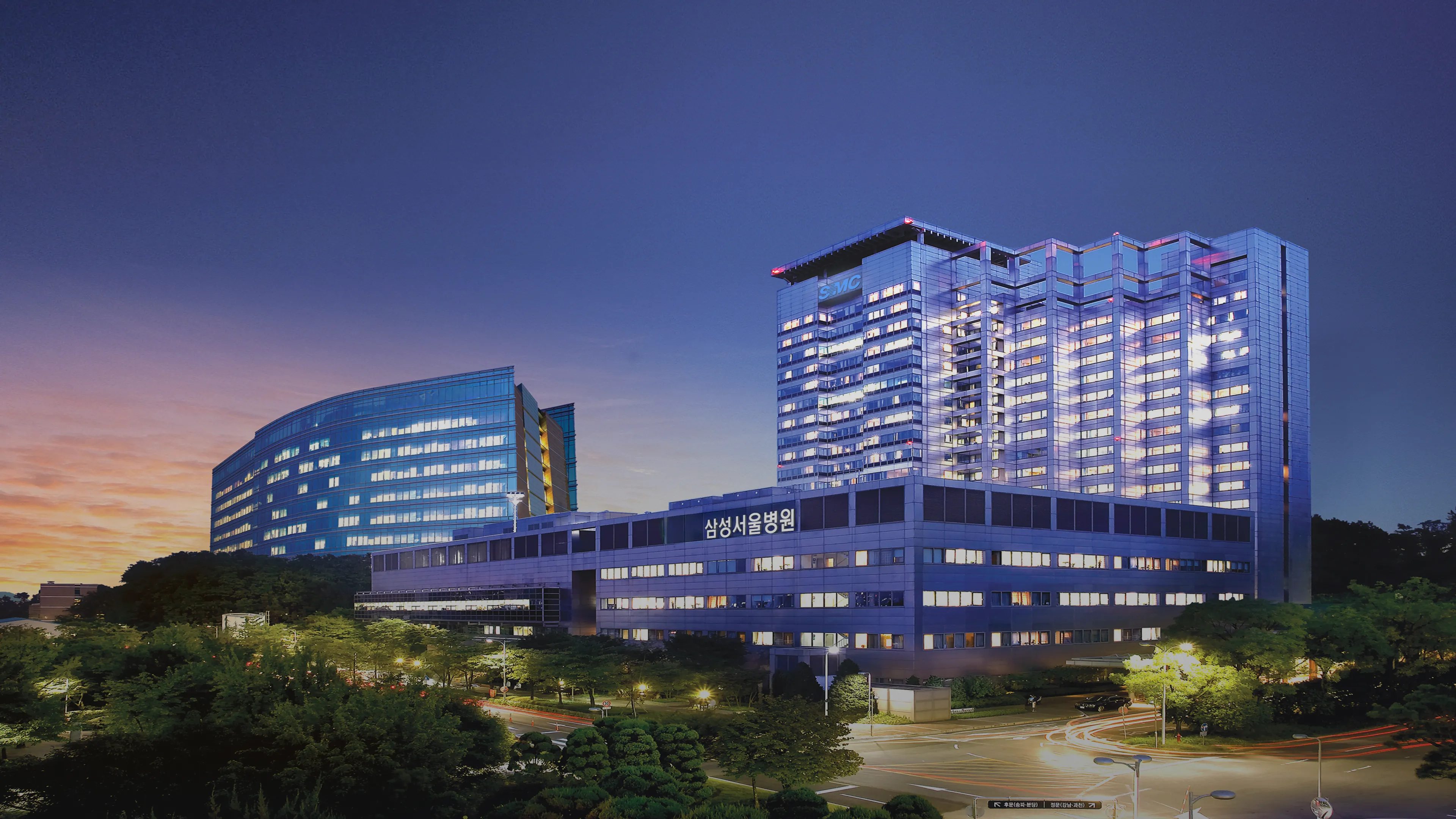
Samsung Medical Center is an academic medical institution in Seoul's Gangnam district, established in 1994. Its official introduction describes a network connecting the center with Kangbuk Samsung Hospital, Samsung Changwon Hospital and Sungkyunkwan University School of Medicine. The Seoul center's own department directory covers a broad range of adult and pediatric medicine. Its published annual report records 1,766 beds and 915 physicians as of the end of 2024, figures that should be read with that reporting date rather than as an undated description of current staffing. Cancer and cardiovascular care are prominent in the clinical service structure. Samsung Comprehensive Cancer Center and the Heart Vascular Stroke Institute are presented alongside the International Healthcare Center, Health Promotion Center and additional specialised units. The department list includes hematology-oncology, radiation oncology, gastrointestinal and hepatobiliary-pancreatic surgery, cardiology, cardiovascular surgery, neurology, neurosurgery, orthopedics, urology and transplant surgery. Pediatric subspecialties include cardiology, hematology-oncology, neurology, nephrology, gastroenterology, endocrinology and surgery. The Proton Therapy Center has a dedicated institutional description explaining pencil-beam scanning, image guidance and respiratory-motion management. It identifies clinical work involving liver, lung, pediatric and head-and-neck tumors. The center also describes research combining proton treatment with immunotherapy. These are published capabilities and research areas, rather than an assertion that proton therapy is appropriate for every cancer or that a particular patient will be accepted into a study. The treating team determines the role of radiation within the overall treatment plan. Critical-care services are independently documented. The Maternal and Neonatal Intensive Care Center combines obstetrics, neonatology and pediatric surgical specialties. Its official page describes maternal-fetal intensive monitoring, neonatal intensive care, specialist coverage and support such as extracorporeal membrane oxygenation and continuous renal replacement therapy. The hospital also lists a general critical-care department and provides inpatient guidance for international patients. This confirms an intensive-care infrastructure while keeping specialised unit capacity distinct from the hospital's total bed count. International outpatient and inpatient services are explained in separate patient guides. The hospital provides appointment channels, clinical coordination and information about admission, discharge and facilities. Its facilities directory distinguishes the Main Building, Annex, Cancer Center and Proton Center, with information about services available within the campus. Those named facilities should not be interpreted as a verified inventory of every building owned or operated by the institution. The billing guide states that payments are accepted in Korean won and describes different procedures for self-pay patients, Korean national insurance and participating international insurers. Pre-admission estimates may differ from the final bill according to actual treatment. Direct billing requires the relevant coverage and guarantee of payment, and some insurer arrangements apply only to inpatient care. Patients can therefore request a written estimate linked to the proposed clinical pathway, with confirmation of included services, deposits and insurance conditions before arranging treatment or travel.

Seoul National University Hospital
Seoul, South Korea
Seoul National University Hospital is an academic medical institution on Daehak-ro in central Seoul. Its history traces a line from Jejungwon in 1885 through the university hospital established in 1946 and its special corporate status in 1978. The present clinical organisation combines patient care, medical education and research. This profile covers the central Seoul campus, including its main, children's and cancer hospitals. Bundang, Boramae and the Gangnam screening centre are identified as separate organisations within the wider SNUH network rather than added to this campus's capacity. The official statistics dated 31 December 2025 report 1,635 inpatient beds across the main, children's and cancer hospitals. That total includes 130 intensive-care beds and forty neonatal intensive-care beds. The employee table separately lists 1,559 doctors; nurses, pharmacists, technologists and other staff are not included in that physician figure. The figures are dated institutional statistics, not an estimate derived from the number of floors or a combination of every network location. The main hospital alone accounts for 1,259 beds within the campus total. The department directory demonstrates a broad specialist scope. It includes cardiology, cardiovascular surgery, gastroenterology, gastrointestinal and hepatobiliary surgery, transplantation, vascular surgery and nephrology. Neurology, neurosurgery, orthopaedic surgery and trauma care appear alongside obstetrics and gynaecology, urology, ophthalmology and otorhinolaryngology. Oncology includes haematology and radiation oncology, with the cancer hospital organised separately within the campus. Critical care, rehabilitation, pain management, palliative care, dermatology and plastic or reconstructive surgery add further distinct clinical services. The children's hospital provides a dedicated paediatric setting rather than an adult-only pathway. The International Healthcare Center coordinates access for visiting patients. The outpatient instructions ask first-time visitors to bring identification and relevant medical reports or imaging, with records in English or Korean. Language support includes English, Chinese, Mongolian, Russian and Arabic. Imaging can be registered before the consultation. Adult and paediatric emergency departments operate separately, while appointment enquiries and planned specialist care follow their own scheduling process. The FAQ also explains that Seoul National University Dental Hospital has a separate appointment system; dental capacity is therefore not attributed to this profile. The hospital's Biomedical Research Institute presents research support, clinical investigation and collaboration as part of its academic activity. This provides an institutional research context without claiming that participation establishes the effectiveness of a particular procedure. Patients seeking specialist assessment can discuss the relevant department, existing diagnosis and available records with the international centre. Tests and surgery are arranged after clinical consultation, and the official FAQ notes that availability can involve further waiting rather than an immediate guaranteed operation. The FAQ publishes an initial consultation fee starting at 70,000 Korean won, excluding prescriptions, investigations and treatment. Surgery has no universal fixed tariff: an estimate follows the clinician's plan. Billing information describes insurance authorisation and direct-billing arrangements, while patients without an applicable agreement may need to pay and seek reimbursement. Confirming coverage, the written estimate and required follow-up connects the specialist treatment plan with the practical arrangements for care in Seoul.
Severance Hospital
Seoul, South Korea
Severance Hospital is part of Yonsei University Health System in Seoul's Sinchon area. Its institutional history traces the hospital to Chejungwon, established in 1885, and its current presentation combines a main hospital with specialised clinical institutions and an International Health Care Center. The wider university health system also includes Gangnam and Yongin hospitals and a dental hospital. Those separate institutions should be distinguished when selecting the location of an appointment or interpreting an institutional statistic. The Sinchon clinical structure includes cancer, cardiovascular, children's, rehabilitation and eye services. The hospital's floor guide lists gastroenterology, gastrointestinal surgery, neurology, neurosurgery, orthopedics, urology, pulmonology, thoracic surgery, infectious diseases, dermatology, plastic surgery and obstetrics and gynecology. Kidney and organ-transplantation services are also identified. Diagnostic facilities include radiography, ultrasound, angiography, computed tomography, magnetic resonance imaging, nuclear medicine and laboratory medicine, supporting referrals that require several complementary investigations. Cancer care is described through prevention, diagnosis, treatment and subsequent follow-up, with specialised teams for different diseases and advanced cases. The institutional overview discusses outpatient anticancer therapy, drug development and robotic surgery. Cardiovascular services address coronary disease, heart rhythm disorders and structural conditions. These are descriptions of clinical fields within the institution; a particular procedure and the appropriate specialist team need to be confirmed for the individual diagnosis rather than inferred from a general hospital category. Rehabilitation is a distinct part of the published service structure. Severance describes care after stroke, brain injury and spinal injury, together with pediatric and amputation rehabilitation. Its information includes robotic and assisted rehabilitation technologies and coordination with medical and surgical departments. The clinical floor guide independently identifies internal-medicine, surgical and neurological intensive-care areas, confirming critical-care infrastructure. This is separate from rehabilitation and from the hospital's ordinary inpatient wards. The public statistics page lists 2,437 beds and 821 doctors, alongside a separate total for all staff. The page does not state the reporting year for those headline figures, so they are presented as the institution's published figures with that limitation. The floor guide names several hospital facilities but does not provide a verified count of every physical building. Distinguishing the clinical institutions, inpatient capacity and staffing categories helps prevent the wider university network from being mistaken for a single hospital campus. International services include appointment coordination, English-speaking medical support and interpretation for several other languages, including Russian. The International Health Care Center dates its opening to 1962 and describes assistance adapted to patients visiting from abroad, with follow-up communication after returning home. Its billing information distinguishes Korean national-insurance procedures from private foreign coverage. Direct billing is available for contracted insurers, subject to policy conditions and exclusions. Patients can request review of their records and an individual financial proposal, confirming the receiving department, clinical location, expected investigations and treatment stages before arranging travel.
Wansiri Hospital
Bangkok, Thailand
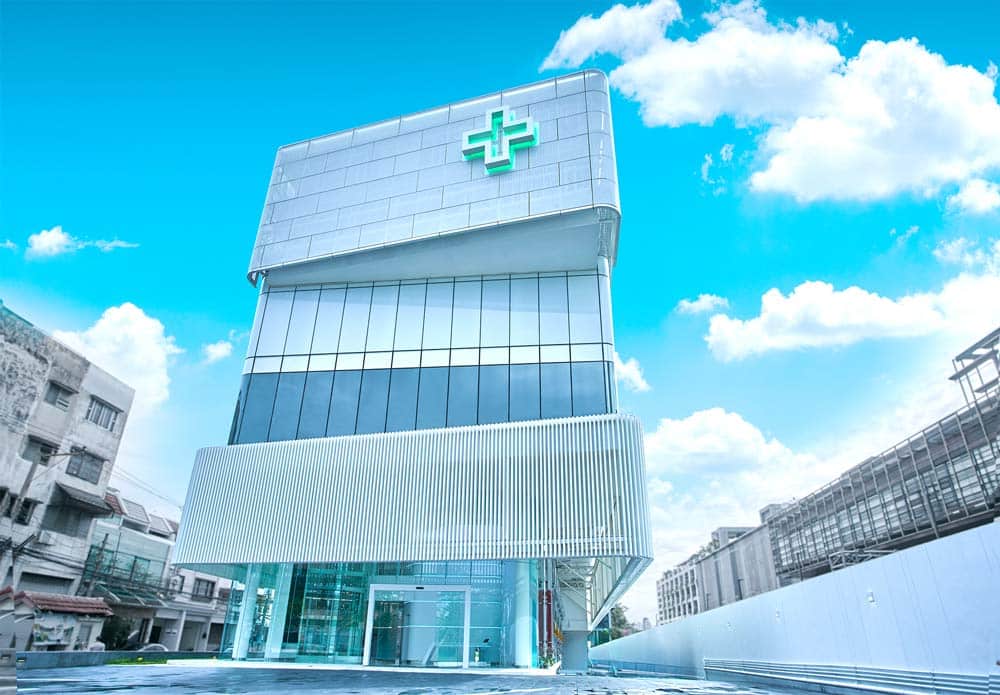
Wansiri Hospital is a specialist aesthetic and reconstructive-surgery provider in Bangkok's Bang Kho Laem district. Its official address is on Rama III Road, with consultation enquiries handled through the hospital's own telephone, email and international messaging channels. The institution describes a model in which different surgical specialists can assess connected concerns at one location. Its public clinical presentation extends beyond a single cosmetic procedure to facial surgery, breast and body procedures, gender-affirming surgery, gynaecological care and skin-related services. The hospital's facility description identifies a six-storey building with more than thirty beds and over 5,700 square metres of usable space. Those are provider-published figures without a stated census date. The description discusses operating-room air filtration and touchless fittings intended to reduce contact with shared surfaces. These practical design features are kept separate from an accreditation award or a guarantee against infection. The reviewed pages do not establish a formal intensive-care unit or its capacity, so postoperative care is not automatically labelled as ICU treatment. The public team page lists eight named doctors across surgical and wellness sections, with fields including rhinoplasty, breast surgery, gender-affirming surgery, gynaecology, fat grafting, dermatology and age-related care. This is a count of the displayed clinical roster rather than an audited total workforce. Individual team entries and consultation routing are more useful than treating all listed physicians as interchangeable operators. The responsible doctor and the scope of any combined procedure can be clarified through the hospital's appointment channel. Facial treatment information distinguishes upper, middle and lower facial lifting from neck procedures. The facelift guide discusses deeper tissue repositioning, while the endoscopic-brow section describes an approach directed at brow position rather than a complete replacement for all facial surgery. The broader directory separates cheekbone, jaw and chin contouring, eyelid operations, ptosis correction and different nose procedures. Breast services include reduction, lifting, revision and fat transfer, while body services include liposuction, abdominal contouring and buttock procedures. These are distinct clinical categories with different assessment and recovery requirements. The official service menu also includes male-to-female and female-to-male surgery, selected gynaecological procedures and a wellness department. Its skin offering lists laser and injectable treatments. The presence of additional wellness marketing does not establish that every advertised intervention has the same evidence or is appropriate for a surgical patient. This profile therefore describes the documented departments without turning promotional health claims, patient testimonials or social-media popularity into clinical outcome promises. The relevant medical indication and proposed treatment remain part of the consultation. Published contact hours run from nine in the morning until nine in the evening. The surgical guides discuss cost as dependent on the procedure, anaesthesia, admission and aftercare; their general Bangkok price ranges are not a fixed Wansiri tariff. An individual written estimate can specify the surgeon, operation, included examinations and postoperative visits. Confirming those details with the intended local stay links the hospital's surgical facilities with a practical recovery and return-travel plan.