Diagnostics and health screening
Providers publishing information about this clinical service.
Sector Summary & Scope
This report covers our global network of accredited hospitals specializing in Diagnostics and health screening. We have identified 8 leading providers that meet international clinical protocols, offer bilingual coordinators, and deliver premium inpatient accommodations.
Accredited Network Providers
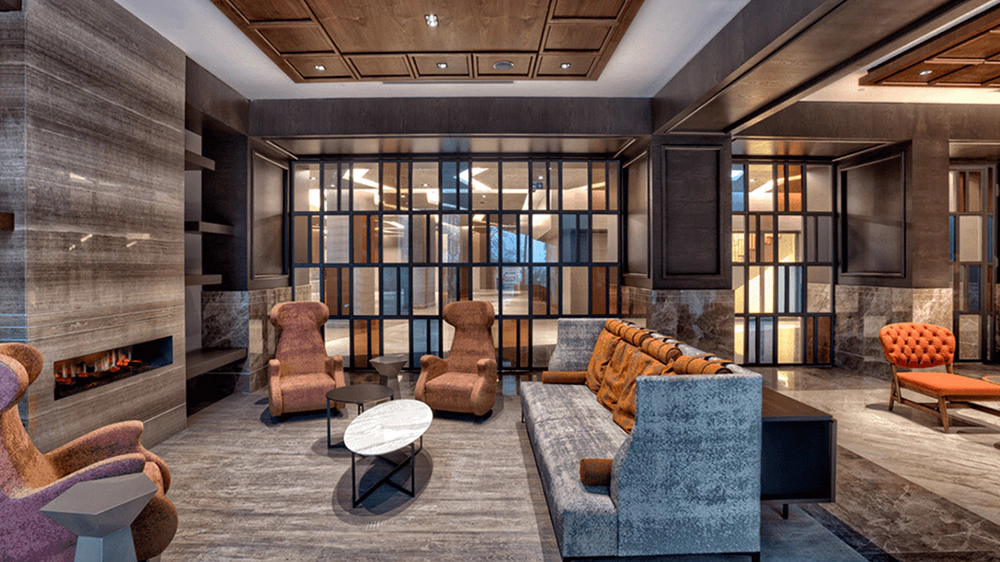
Acıbadem Altunizade Hospital
Istanbul, Turkey
Acıbadem Altunizade Hospital is a multidisciplinary institution in Istanbul's Üsküdar district, on the Asian side of the city. It opened in March 2017 as part of the Acıbadem healthcare group. The hospital's own Turkish-language overview reports 350 beds, including seventy-five intensive-care beds, within 98,000 square metres of enclosed space. Intensive care is divided into neonatal, paediatric, coronary, cardiovascular-surgical and general units. These figures describe the Altunizade institution rather than the combined capacity of the group's other hospitals and clinics. The local overview identifies oncology, neurosurgery, cellular therapies, robotic surgery, bone-marrow transplantation, cardiac care, spine care, breast services, dentistry and rehabilitation. Cancer care combines surgical, medical and radiation-oncology assessment. Imaging and treatment equipment named for this hospital includes PET-CT, SPECT-CT, three-tesla MRI, Tomotherapy and Gamma Knife Icon. The institution also describes a hybrid operating environment connecting advanced imaging with surgery. The clinical plan determines which technology is relevant; the equipment list alone does not establish suitability for every diagnosis. International enquiries are organised through the group's patient centre. Its stated process begins with medical reports and a description of the problem, followed by specialist review, a proposed plan and an itemised written estimate. The coordinator can help identify the appropriate hospital and department before travel. This distinction matters in a large network: a technique or clinician available elsewhere in the group is not automatically located at Altunizade, and the final appointment should identify the actual treating institution and team. The international service description includes assistance with visa letters, transfers, nearby accommodation, interpretation and insurance or billing questions. These are coordination services whose inclusion can be agreed with the treatment proposal, rather than an assumption that every associated travel cost is covered. It also describes discharge documentation and remote follow-up after the patient returns home. Establishing the local recovery period, review dates and the contact responsible for later questions connects hospital treatment with the practical continuity of care across countries. Acıbadem's official preparation guide asks patients to collect prior investigation results, imaging and relevant medical history. It also recommends bringing a list of regular medicines, including non-prescription and herbal products, and checking insurance coverage for the intended clinician as well as the hospital. Preparing questions before the visit and arranging an accompanying person where necessary are part of the same checklist. These instructions explain how an existing diagnostic record can be brought into the consultation instead of treating the appointment as an isolated procedure purchase. The appointment guide allows selection of the hospital, department, date and available time through the official booking pathway. The hospital also publishes direct contact details and a price-enquiry channel. A universal fixed treatment tariff was not established by the reviewed sources, and group-wide physician totals are not assigned to this one campus. The profile therefore preserves verified clinical capacity while leaving unpublished building and physician counts explicit, with individual treatment costs confirmed in writing after assessment.
Asan Medical Center
Seoul, South Korea
Asan Medical Center is a multidisciplinary hospital in Seoul's Songpa district and the principal hospital of the ASAN Foundation's medical network. Its institutional introduction dates its establishment to June 1989 and connects clinical treatment with research, education and the foundation's social-welfare mission. The published capacity is 2,446 beds. This figure belongs to the Seoul medical center; the foundation's wider network of hospitals should not be treated as the capacity of this individual institution. The official department directory demonstrates a clinical scope extending well beyond the specialities most often associated with international referrals. It lists oncology, radiation oncology, cardiology, thoracic and cardiovascular surgery, neurology, neurosurgery, orthopedics, gastroenterology, nephrology, urology, rheumatology, dermatology, ophthalmology, obstetrics and gynecology. Surgical services include colorectal, hepatobiliary, pancreatic, vascular and breast surgery. Emergency medicine, anesthesiology, pain medicine, rehabilitation and diagnostic disciplines appear as separate departments, supporting the management of patients whose needs cross several specialties. Organ transplantation is explicitly represented in the directory through liver, kidney and pancreas services. The hospital also presents dedicated cancer, heart and children's services. The pediatric critical-care information describes distinct acute and growing-care areas and isolation arrangements, confirming intensive-care capability without implying that every inpatient bed is an intensive-care bed. The appropriate clinical destination depends on the condition being assessed, so international patients can request review by the relevant department rather than selecting a hospital only from a general list of treatments. Research forms a substantial part of the institution's own description. It identifies the Asan Institute for Life Sciences and Clinical Research Center and describes work connecting basic medicine, clinical studies, industry collaboration and medical engineering. Published research themes include anticancer treatment, medical robotics and devices, molecular imaging, chronic disease and infection. These describe the organisation's research activity; access to a specific clinical study or investigational intervention remains separate from an ordinary appointment request and depends on the study's own criteria. International patient support includes appointment coordination, language assistance and a dedicated billing contact. The current contact page lists interpretation in English, Japanese, Chinese, Russian, Mongolian, Arabic and Vietnamese. The hospital provides separate channels for treatment enquiries, financial questions and professional education. Its location information identifies the Songpa campus, local transport connections and shuttle services, helping patients plan access to the medical center after a consultation has been arranged. The billing page distinguishes patients using Korean national insurance from those relying on private international coverage. Direct billing depends on the insurer, the individual policy and any required guarantee of payment, with exclusions confirmed before treatment. Patients can request an individual financial assessment and clarify the documentation required for reimbursement. These arrangements describe how payment may be coordinated; they do not establish a single hospital-wide treatment price. A written proposal should identify the department, proposed investigations, treatment stages and expected charges for the particular case.

Avanta Medical Center · Dentistry
Yerevan, Armenia
Avanta combines modern dentistry with aesthetic medicine and plastic surgery at its Heratsi branch in Yerevan. Its official tariff separates implant placement, oral surgery and other dental procedures, while its implant information emphasizes coordination between the surgeon, restorative dentist, technician and hygienist. Avanta’s official branch information identifies its Heratsi location in Yerevan, with modern dentistry, aesthetic medicine and plastic surgery organized as separate service areas. Each has a distinct contact extension and published hours. This profile concerns that local clinical organization rather than assuming that all three services have identical staffing, procedures or admission arrangements. The dental service operates through both weekday and weekend appointment hours, while plastic surgery and aesthetic medicine have their own schedules. These published differences are part of the provider’s organization. Extended appointment hours are not presented as evidence of a continuously operating general emergency department or an intensive-care unit. The dental tariff separates implantation, oral surgery and other procedures. Its implant information describes cooperation between the surgeon, restorative dentist, dental technician and hygienist. That team structure connects preparation, placement and restoration, while the role of each professional remains distinct. A technician or hygienist is not counted as an additional physician in the key facts. Implant placement is treated as one component of a broader restorative pathway. The clinic’s official financial information identifies individual services, making it important to distinguish a fixture from an abutment, crown or complete reconstruction. The price shown for a named implant service is therefore not used as the total for any possible dental treatment or as a hospital-wide starting charge. Aesthetic medicine and plastic surgery appear alongside dentistry in the official directory but remain separate clinical categories. Their inclusion establishes the provider’s stated scope and contact organization, not a universal indication for an appearance-related procedure. The profile does not convert promotional language about modern methods into comparative evidence of safety or treatment effectiveness. The branch and contact pages give the Heratsi address, telephone and electronic enquiry routes. They support a verified Yerevan location and a documented organization of dental, aesthetic and surgical services. They do not provide a sufficiently clear current count of buildings, inpatient beds or all clinical doctors, so those figures are not derived from the number of departments or telephone extensions. The official tariff remains linked for checking the exact service and its financial scope, with individualized treatment estimates kept separate from the published component prices. The institution reports the following clinical and infrastructure information: outpatient care: Yes. The scope and reporting period remain those of the linked institutional sources. The provider publishes these named service prices: Dental implantation: from 132000 AMD. Starting price for implantation; the chosen system and final restoration require a complete written estimate.
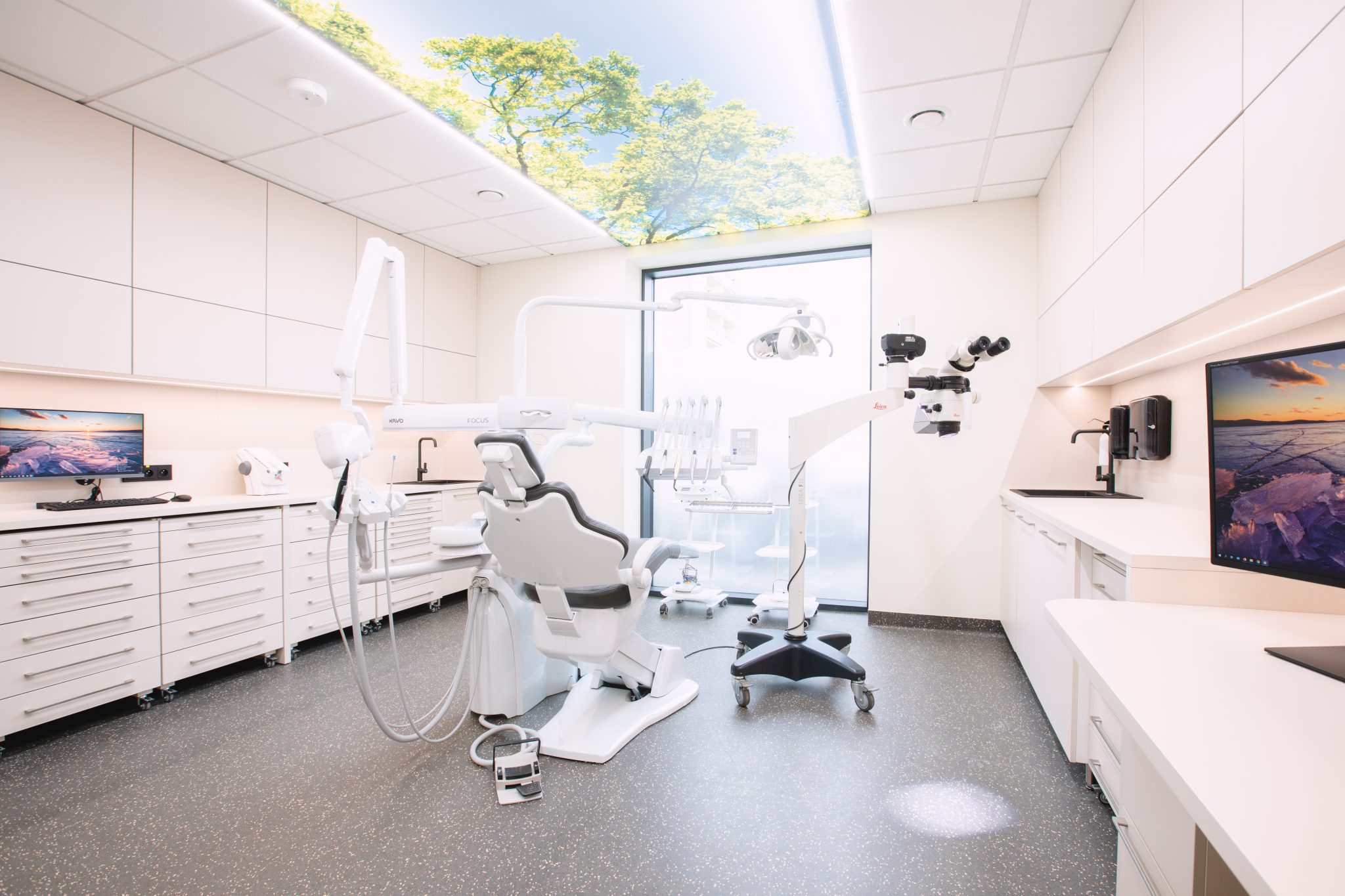
Dr Piosik Stomatologia
Poznań, Poland
Dr Piosik Stomatologia is an outpatient dental clinic on Piątkowska Street in Poznań's Winiary area. Its official service directory presents implantology, prosthodontics, orthodontics, endodontics, oral surgery, aesthetic and conservative dentistry, periodontics and preventive care. The clinic describes an interdisciplinary approach in which restorations and tooth alignment are considered together with the bite and function of the chewing system. The identified Poznań practice is the scope of this profile rather than an assumed network of hospital campuses. The institution states that patients have access to a prosthetic laboratory and publishes separate clinical and laboratory-related roles. The tariff explicitly names a nickel-free metal-ceramic crown milled using CAD/CAM and also lists dental scans and digital models. These confirm digital restorative services, but the reviewed equipment directory does not identify a CEREC scanner or milling-unit model. The source does not establish that every CAD/CAM crown is manufactured chairside during one appointment, so the digital workflow is described without a same-day completion promise. Named diagnostic equipment includes the X-Mind Trium CBCT system and Cadiax 4 for functional analysis of temporomandibular-joint movement. Digital Smile Design is used to discuss the intended appearance before restorative treatment, while microscopy supports selected dental procedures. The official technology page also identifies The Wand, an Acteon Piezotome Cube and a Pentamix impression-material mixer. A conventional material mixer is not described as a digital impression scanner. Each device is connected to its documented role instead of being grouped under a generic CEREC label. The public team page lists twelve dentists including medical director Adam Piosik, followed by administration, a dental technician, hygienists and assistants. The clinician biographies distinguish prosthodontics, implantology, periodontics, oral surgery, orthodontics and microscopic endodontics. This is the displayed roster rather than an audited employment total. Piosik's official biography also documents academic work concerning zirconia ceramics and professional teaching. That supplies a specific scientific and educational context without converting a qualification or publication into a guarantee about an individual patient's outcome. The clinical tariff separates consultation, diagnosis, tooth preparation, restorative materials and different implant stages. Implant placement, healing components and implant-supported crowns are not one interchangeable price. The endodontic list distinguishes primary treatment, retreatment, canal count and additional work. Removable prosthodontics includes conventional and BPS dentures, while the functional-care offering addresses bite-related concerns. These distinctions help connect the clinic's prosthetic and diagnostic capabilities with the particular sequence proposed after examination. Published examples include an examination with a treatment plan at 300 Polish złoty, dental scans and digital models at 180, both-arch CBCT at 320 and a full-ceramic crown at 2,900. The CAD/CAM metal-ceramic crown is listed at 2,250 and implant placement from 4,300, with additional restorative stages separate. Official hours include weekday and Saturday appointments. Confirming the treating clinician, laboratory timing and review visits alongside the written estimate provides a practical schedule for care rather than assuming that digital planning removes all further visits.
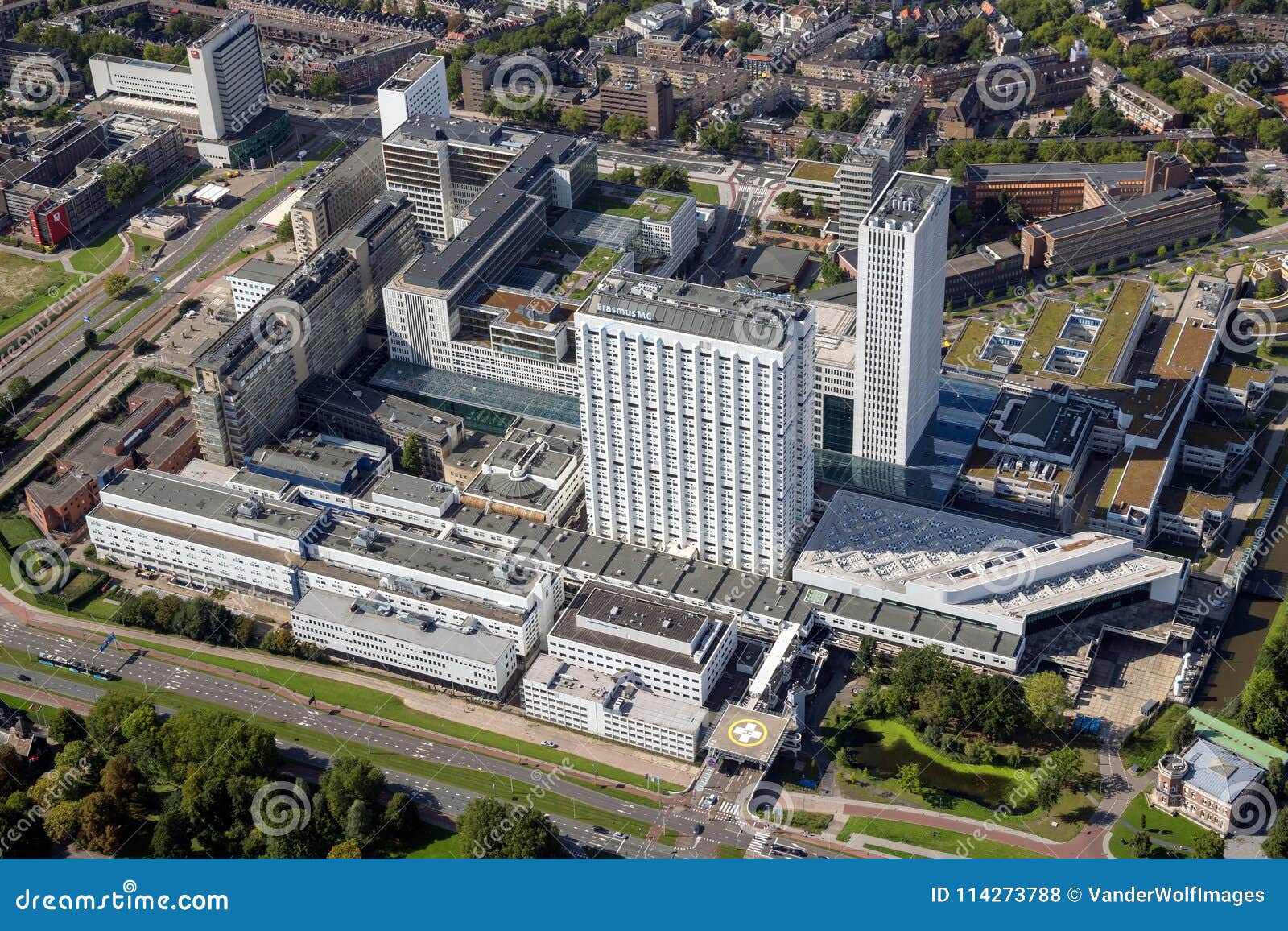
Erasmus Medical Center Rotterdam
Rotterdam, Netherlands
Erasmus MC in Rotterdam combines university hospital treatment with medical education and scientific research. Its annual reporting discusses clinical services, digital and hybrid outpatient care and long-term investment in medical technology and hospital infrastructure. Erasmus MC is Rotterdam’s university medical center, bringing specialist patient care together with medical education and scientific research. Its official patient navigation distinguishes the general university hospital, Sophia Children’s Hospital, the Cancer Institute, the Transplant Institute and the Heart and Vascular Institute. These are related components of an academic medical organization with different clinical populations and service pathways. The institution’s 2025 annual reporting emphasizes highly complex care for patients who need specialized expertise. It also describes cooperation with other healthcare organizations and changes in how hospital care is delivered. This is a documented strategic direction, rather than a claim that every illness requires tertiary hospital treatment or that all regional care takes place on the Erasmus MC campus. The published investment program covers hospital property, digital systems, information technology, medical technology and innovation. The annual report describes a long-term program extending from 2026 to 2050, including work concerning Sophia Children’s Hospital, research accommodation and psychiatry. Planned investment is identified as a future infrastructure program, not as facilities already completed or a current count of hospital buildings. Digital and hybrid outpatient care appear as specific themes. The named programs discuss connections between patients and care teams and changes to outpatient organization. The hospital also provides a patient portal and a digital application. These resources are separate from inpatient admission and intensive care, illustrating that the institution’s clinical work takes place through several forms of contact. The official patient website includes specialty and clinic directories, information on investigations and operations, waiting times, registration, appointments and hospital admission. It has separate routes for scientific study participation and for obtaining a second opinion. A research-participation page is not treated as evidence that every patient is enrolled in a trial; it identifies a route for learning about the institution’s scientific work. Erasmus MC publishes both annual financial reporting and environmental reports, with downloadable versions for different years. The reporting distinguishes staff, clinical activity, property and service arrangements. This profile uses those materials to describe the academic hospital’s organization and development, while avoiding the conversion of an equipment contract, floor area or future capital plan into an invented bed, doctor or building count. Its intensive-care specialty is separately documented in the linked official service information. The institution reports the following clinical and infrastructure information: outpatient care: Yes; intensive care / resuscitation: Yes. The scope and reporting period remain those of the linked institutional sources. The institution publishes a separate tariff, package-information or cost-estimation resource. Official charges / cost-estimation information. The charge list is not the amount every patient pays: select the location, service and insurance or self-pay category.
Samsung Medical Center
Seoul, South Korea
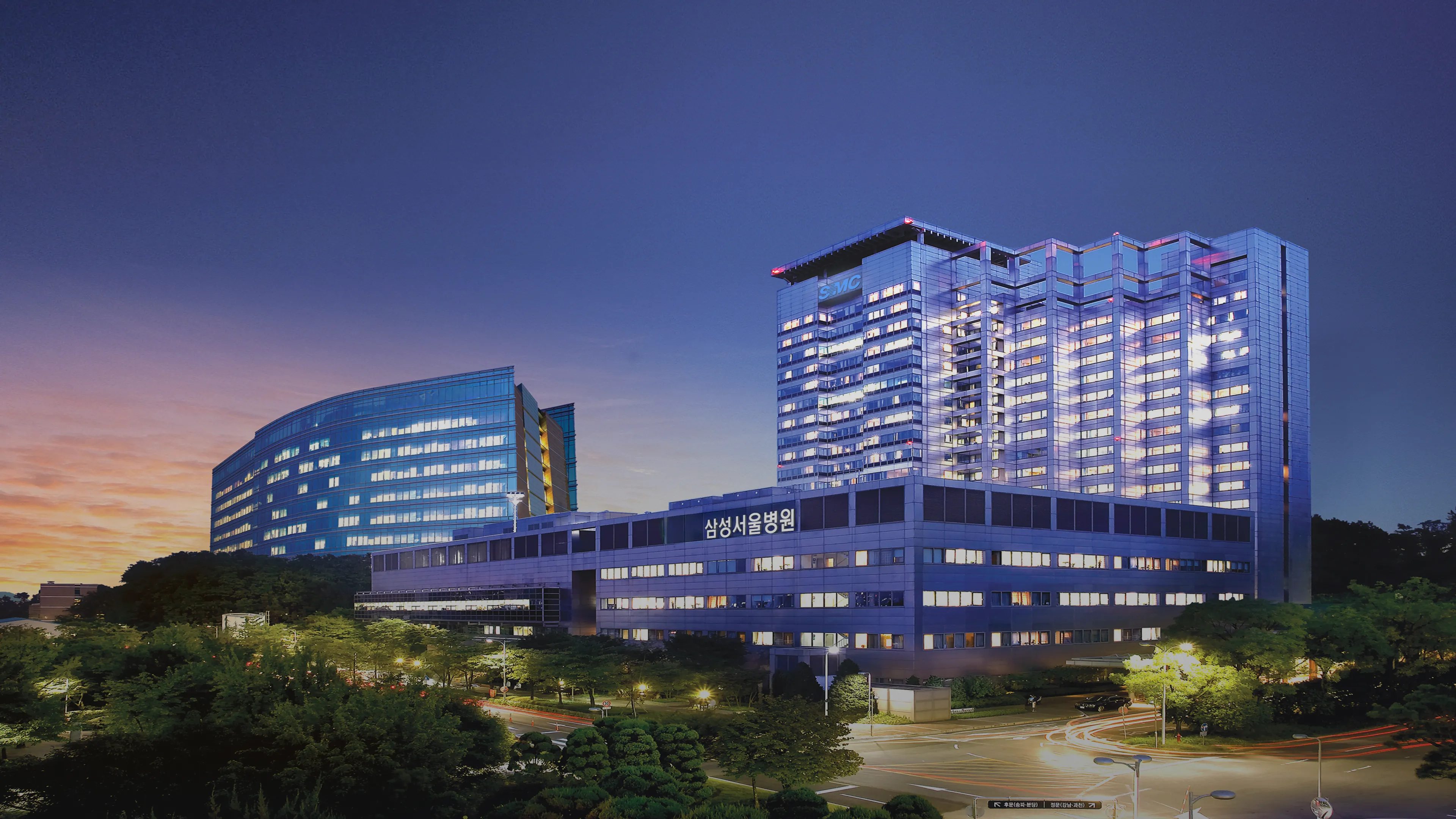
Samsung Medical Center is an academic medical institution in Seoul's Gangnam district, established in 1994. Its official introduction describes a network connecting the center with Kangbuk Samsung Hospital, Samsung Changwon Hospital and Sungkyunkwan University School of Medicine. The Seoul center's own department directory covers a broad range of adult and pediatric medicine. Its published annual report records 1,766 beds and 915 physicians as of the end of 2024, figures that should be read with that reporting date rather than as an undated description of current staffing. Cancer and cardiovascular care are prominent in the clinical service structure. Samsung Comprehensive Cancer Center and the Heart Vascular Stroke Institute are presented alongside the International Healthcare Center, Health Promotion Center and additional specialised units. The department list includes hematology-oncology, radiation oncology, gastrointestinal and hepatobiliary-pancreatic surgery, cardiology, cardiovascular surgery, neurology, neurosurgery, orthopedics, urology and transplant surgery. Pediatric subspecialties include cardiology, hematology-oncology, neurology, nephrology, gastroenterology, endocrinology and surgery. The Proton Therapy Center has a dedicated institutional description explaining pencil-beam scanning, image guidance and respiratory-motion management. It identifies clinical work involving liver, lung, pediatric and head-and-neck tumors. The center also describes research combining proton treatment with immunotherapy. These are published capabilities and research areas, rather than an assertion that proton therapy is appropriate for every cancer or that a particular patient will be accepted into a study. The treating team determines the role of radiation within the overall treatment plan. Critical-care services are independently documented. The Maternal and Neonatal Intensive Care Center combines obstetrics, neonatology and pediatric surgical specialties. Its official page describes maternal-fetal intensive monitoring, neonatal intensive care, specialist coverage and support such as extracorporeal membrane oxygenation and continuous renal replacement therapy. The hospital also lists a general critical-care department and provides inpatient guidance for international patients. This confirms an intensive-care infrastructure while keeping specialised unit capacity distinct from the hospital's total bed count. International outpatient and inpatient services are explained in separate patient guides. The hospital provides appointment channels, clinical coordination and information about admission, discharge and facilities. Its facilities directory distinguishes the Main Building, Annex, Cancer Center and Proton Center, with information about services available within the campus. Those named facilities should not be interpreted as a verified inventory of every building owned or operated by the institution. The billing guide states that payments are accepted in Korean won and describes different procedures for self-pay patients, Korean national insurance and participating international insurers. Pre-admission estimates may differ from the final bill according to actual treatment. Direct billing requires the relevant coverage and guarantee of payment, and some insurer arrangements apply only to inpatient care. Patients can therefore request a written estimate linked to the proposed clinical pathway, with confirmation of included services, deposits and insurance conditions before arranging treatment or travel.
Seoul National University Hospital
Seoul, South Korea
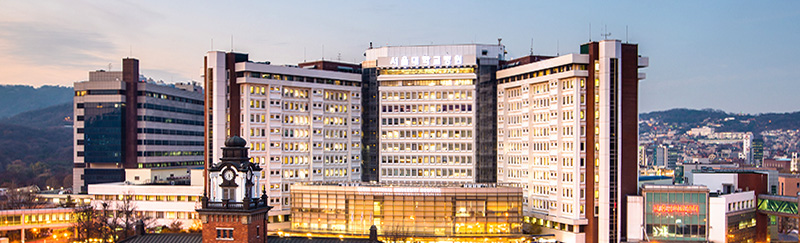
Seoul National University Hospital is an academic medical institution on Daehak-ro in central Seoul. Its history traces a line from Jejungwon in 1885 through the university hospital established in 1946 and its special corporate status in 1978. The present clinical organisation combines patient care, medical education and research. This profile covers the central Seoul campus, including its main, children's and cancer hospitals. Bundang, Boramae and the Gangnam screening centre are identified as separate organisations within the wider SNUH network rather than added to this campus's capacity. The official statistics dated 31 December 2025 report 1,635 inpatient beds across the main, children's and cancer hospitals. That total includes 130 intensive-care beds and forty neonatal intensive-care beds. The employee table separately lists 1,559 doctors; nurses, pharmacists, technologists and other staff are not included in that physician figure. The figures are dated institutional statistics, not an estimate derived from the number of floors or a combination of every network location. The main hospital alone accounts for 1,259 beds within the campus total. The department directory demonstrates a broad specialist scope. It includes cardiology, cardiovascular surgery, gastroenterology, gastrointestinal and hepatobiliary surgery, transplantation, vascular surgery and nephrology. Neurology, neurosurgery, orthopaedic surgery and trauma care appear alongside obstetrics and gynaecology, urology, ophthalmology and otorhinolaryngology. Oncology includes haematology and radiation oncology, with the cancer hospital organised separately within the campus. Critical care, rehabilitation, pain management, palliative care, dermatology and plastic or reconstructive surgery add further distinct clinical services. The children's hospital provides a dedicated paediatric setting rather than an adult-only pathway. The International Healthcare Center coordinates access for visiting patients. The outpatient instructions ask first-time visitors to bring identification and relevant medical reports or imaging, with records in English or Korean. Language support includes English, Chinese, Mongolian, Russian and Arabic. Imaging can be registered before the consultation. Adult and paediatric emergency departments operate separately, while appointment enquiries and planned specialist care follow their own scheduling process. The FAQ also explains that Seoul National University Dental Hospital has a separate appointment system; dental capacity is therefore not attributed to this profile. The hospital's Biomedical Research Institute presents research support, clinical investigation and collaboration as part of its academic activity. This provides an institutional research context without claiming that participation establishes the effectiveness of a particular procedure. Patients seeking specialist assessment can discuss the relevant department, existing diagnosis and available records with the international centre. Tests and surgery are arranged after clinical consultation, and the official FAQ notes that availability can involve further waiting rather than an immediate guaranteed operation. The FAQ publishes an initial consultation fee starting at 70,000 Korean won, excluding prescriptions, investigations and treatment. Surgery has no universal fixed tariff: an estimate follows the clinician's plan. Billing information describes insurance authorisation and direct-billing arrangements, while patients without an applicable agreement may need to pay and seek reimbursement. Confirming coverage, the written estimate and required follow-up connects the specialist treatment plan with the practical arrangements for care in Seoul.
Severance Hospital
Seoul, South Korea
Severance Hospital is part of Yonsei University Health System in Seoul's Sinchon area. Its institutional history traces the hospital to Chejungwon, established in 1885, and its current presentation combines a main hospital with specialised clinical institutions and an International Health Care Center. The wider university health system also includes Gangnam and Yongin hospitals and a dental hospital. Those separate institutions should be distinguished when selecting the location of an appointment or interpreting an institutional statistic. The Sinchon clinical structure includes cancer, cardiovascular, children's, rehabilitation and eye services. The hospital's floor guide lists gastroenterology, gastrointestinal surgery, neurology, neurosurgery, orthopedics, urology, pulmonology, thoracic surgery, infectious diseases, dermatology, plastic surgery and obstetrics and gynecology. Kidney and organ-transplantation services are also identified. Diagnostic facilities include radiography, ultrasound, angiography, computed tomography, magnetic resonance imaging, nuclear medicine and laboratory medicine, supporting referrals that require several complementary investigations. Cancer care is described through prevention, diagnosis, treatment and subsequent follow-up, with specialised teams for different diseases and advanced cases. The institutional overview discusses outpatient anticancer therapy, drug development and robotic surgery. Cardiovascular services address coronary disease, heart rhythm disorders and structural conditions. These are descriptions of clinical fields within the institution; a particular procedure and the appropriate specialist team need to be confirmed for the individual diagnosis rather than inferred from a general hospital category. Rehabilitation is a distinct part of the published service structure. Severance describes care after stroke, brain injury and spinal injury, together with pediatric and amputation rehabilitation. Its information includes robotic and assisted rehabilitation technologies and coordination with medical and surgical departments. The clinical floor guide independently identifies internal-medicine, surgical and neurological intensive-care areas, confirming critical-care infrastructure. This is separate from rehabilitation and from the hospital's ordinary inpatient wards. The public statistics page lists 2,437 beds and 821 doctors, alongside a separate total for all staff. The page does not state the reporting year for those headline figures, so they are presented as the institution's published figures with that limitation. The floor guide names several hospital facilities but does not provide a verified count of every physical building. Distinguishing the clinical institutions, inpatient capacity and staffing categories helps prevent the wider university network from being mistaken for a single hospital campus. International services include appointment coordination, English-speaking medical support and interpretation for several other languages, including Russian. The International Health Care Center dates its opening to 1962 and describes assistance adapted to patients visiting from abroad, with follow-up communication after returning home. Its billing information distinguishes Korean national-insurance procedures from private foreign coverage. Direct billing is available for contracted insurers, subject to policy conditions and exclusions. Patients can request review of their records and an individual financial proposal, confirming the receiving department, clinical location, expected investigations and treatment stages before arranging travel.