Cosmetic Surgery
Aesthetic and reconstructive procedures
Sector Summary & Scope
This report covers our global network of accredited hospitals specializing in Cosmetic Surgery. We have identified 18 leading providers that meet international clinical protocols, offer bilingual coordinators, and deliver premium inpatient accommodations.
Accredited Network Providers
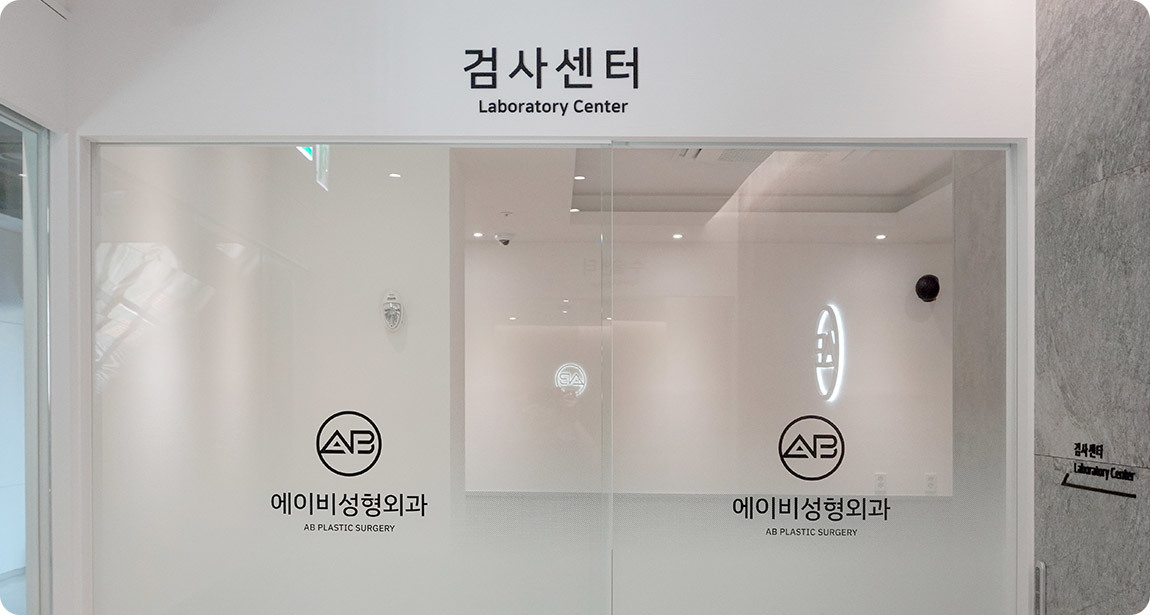
AB Plastic Surgery
Seoul, South Korea
AB Plastic Surgery is a specialist clinic in Seoul's Seocho district, occupying the second through fourth floors of the BLOCK 77 building near Gangnam Station. Its official international website presents facial contouring, rhinoplasty, eyelid surgery, breast procedures, lifting and body contouring, together with dermatological services. The location belongs to the identified Seoul clinic; overseas communication channels and language services are not counted as additional clinical buildings. The institutional presentation emphasises planning around the patient's anatomy and the specific procedure being considered. The clinical directory distinguishes operations on the nose, eyes, facial bones and breasts from treatments for age-related facial changes. Nose surgery includes different concerns around shape and revision, while facial contouring addresses the cheekbones, jaw angle and chin. The lifting directory separates the face, neck and forehead. Body services include liposuction, and male plastic surgery has its own presentation. This breadth does not mean every option is suitable for every visitor: the proposed procedure and any associated skin treatment require an individual clinical assessment. The government's Medical Korea provider directory lists twenty-eight doctors and four beds for AB. The directory does not give a reference date for those figures, so they are identified as a published provider-directory count rather than a current staffing guarantee. The official interior tour separately shows consultation, examination, operating and recovery areas. Floors and rooms are not converted into a building total, and the availability of anaesthesia monitoring does not establish a registered intensive-care unit. An ICU bed count was not established by the reviewed sources. The safety information describes preoperative blood investigations, electrocardiography and chest radiography, followed by anaesthesiologist involvement during surgery and recovery. Central monitoring covers vital signs, while the equipment list includes backup power, ventilation and resuscitation equipment. The clinic also describes sterilisation arrangements and operating-room CCTV. These are specific organisational statements about the surgical pathway; the site's promotional zero-risk wording is not treated as a clinical guarantee. The final tests and monitoring arrangements depend on the operation and assessment. Academic information describes lectures, live surgical demonstrations and exchanges with medical professionals. Its research and development directory includes facial-contouring teaching, eyelid-surgery presentations and neck-lift discussions. These activities document professional education and institutional collaboration, without establishing comparative treatment effectiveness. International patient services connect online enquiries with an in-person consultation, preoperative checks, surgery and postoperative review. Interpretation, transport and accommodation support have conditions that vary with the procedure and agreed service package. The patient-service FAQ states that ordinary online and in-person consultations are free, with a separate fee of 100,000 Korean won for revision consultations concerning facial contouring. Surgery is individually priced. A written quotation can identify the operation, responsible clinician, anaesthesia, materials, admission and follow-up. The same service page describes continued online contact after departure, linking the planned local recovery period with communication once the patient has returned home.

Avanta Medical Center · Dentistry
Yerevan, Armenia
Avanta combines modern dentistry with aesthetic medicine and plastic surgery at its Heratsi branch in Yerevan. Its official tariff separates implant placement, oral surgery and other dental procedures, while its implant information emphasizes coordination between the surgeon, restorative dentist, technician and hygienist. Avanta’s official branch information identifies its Heratsi location in Yerevan, with modern dentistry, aesthetic medicine and plastic surgery organized as separate service areas. Each has a distinct contact extension and published hours. This profile concerns that local clinical organization rather than assuming that all three services have identical staffing, procedures or admission arrangements. The dental service operates through both weekday and weekend appointment hours, while plastic surgery and aesthetic medicine have their own schedules. These published differences are part of the provider’s organization. Extended appointment hours are not presented as evidence of a continuously operating general emergency department or an intensive-care unit. The dental tariff separates implantation, oral surgery and other procedures. Its implant information describes cooperation between the surgeon, restorative dentist, dental technician and hygienist. That team structure connects preparation, placement and restoration, while the role of each professional remains distinct. A technician or hygienist is not counted as an additional physician in the key facts. Implant placement is treated as one component of a broader restorative pathway. The clinic’s official financial information identifies individual services, making it important to distinguish a fixture from an abutment, crown or complete reconstruction. The price shown for a named implant service is therefore not used as the total for any possible dental treatment or as a hospital-wide starting charge. Aesthetic medicine and plastic surgery appear alongside dentistry in the official directory but remain separate clinical categories. Their inclusion establishes the provider’s stated scope and contact organization, not a universal indication for an appearance-related procedure. The profile does not convert promotional language about modern methods into comparative evidence of safety or treatment effectiveness. The branch and contact pages give the Heratsi address, telephone and electronic enquiry routes. They support a verified Yerevan location and a documented organization of dental, aesthetic and surgical services. They do not provide a sufficiently clear current count of buildings, inpatient beds or all clinical doctors, so those figures are not derived from the number of departments or telephone extensions. The official tariff remains linked for checking the exact service and its financial scope, with individualized treatment estimates kept separate from the published component prices. The institution reports the following clinical and infrastructure information: outpatient care: Yes. The scope and reporting period remain those of the linked institutional sources. The provider publishes these named service prices: Dental implantation: from 132000 AMD. Starting price for implantation; the chosen system and final restoration require a complete written estimate.
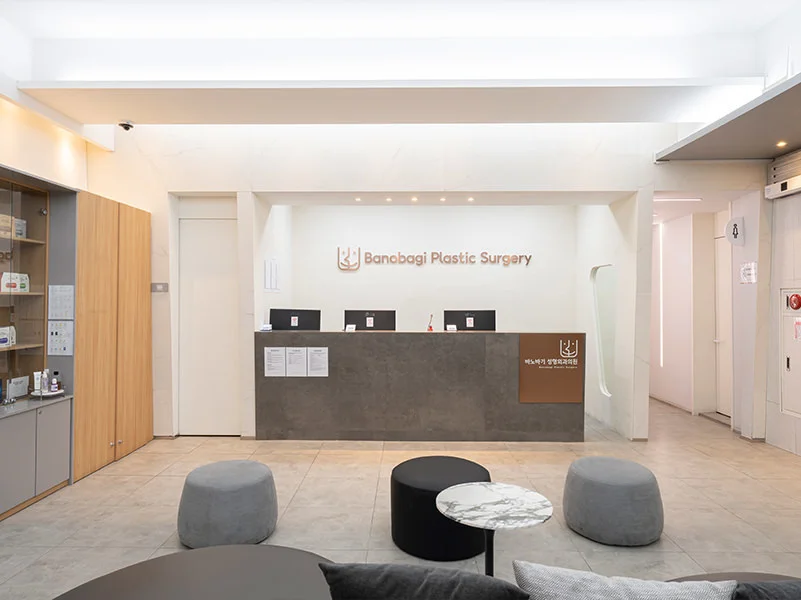
Banobagi Plastic & Aesthetic Clinic
Seoul, South Korea
Banobagi Plastic & Aesthetic Clinic is a specialist provider in Seoul's Gangnam district, with its official address on Nonhyeon-ro. The institution dates its activity to 2000 and describes an established international-patient department. Its official introduction is organised around eye surgery, rhinoplasty, facial contouring, breast surgery, body shaping and lifting treatments. These areas contain different procedures and recovery pathways rather than one uniform cosmetic operation, giving the clinic a broader documented scope than the short plastic-surgery label in the original catalogue list. The eye-surgery menu distinguishes eyelid-crease formation, ptosis correction, canthoplasty, lower-eyelid work and revision surgery. A dedicated non-incisional eyelid page explains the intended anatomical problem and separates that approach from an incisional operation. The nose directory similarly distinguishes augmentation, reduction, correction of the nasal tip or bridge, functional problems and revision. The presence of these separate services allows a consultation request to identify the actual concern rather than assuming that every eyelid or nose procedure has the same indications and timetable. Facial-contouring services include the cheekbones, jaw and chin, with more extensive jaw-related procedures listed separately. Breast surgery covers augmentation, reduction, lifting, nipple or areola correction and revision, together with gynecomastia treatment. Body services include liposuction and contouring. The anti-ageing directory contains surgical lifts and less invasive options such as threads, lasers and injections. Availability in the service menu does not determine which option is appropriate for an individual patient; the institution states that the final plan follows an in-person surgical examination. The official facility tour describes the clinic occupying a whole building and identifies its own operating-theatre and consultation areas. Its safety presentation lists in-house anaesthesiology, monitoring during and after surgery, emergency-response arrangements, backup power and sterilisation. Those are specific institutional statements about perioperative organisation. They do not establish an independently audited intensive-care bed count or a hospital-wide staffing total, so undocumented capacity figures are not inferred from the number of floors or rooms. International support includes a coordinator for communication, scheduling, stay arrangements and transport. The introduction describes a real-name surgeon system intended to connect consultation, operation and follow-up with the responsible clinician. It also explains that the necessary stay in Korea is discussed before return travel is booked, with the coordinator remaining a contact after departure. These are useful practical details for planning treatment abroad, particularly when wound review or stitch removal must occur before flying home. The reviewed pages provide direct online consultation channels and procedure-specific information about appointments and recovery. Surgical cost is confirmed individually following assessment, so an expired promotional percentage or a general discussion of overseas prices is not presented as a current package. Patients can request a written proposal naming the surgeon, intended operation, anaesthetic arrangements, expected visits and aftercare. That proposal should connect the clinical plan with the required local stay and the contact process for questions after returning home.

Braun Plastic Surgery
Seoul, South Korea
Braun Plastic Surgery is a specialist clinic in Seoul's Seocho district, with its official address in the Braun building on Gangnam-daero. The provider dates its activity to 2009 and publishes separate information about its surgeons, operating arrangements, recovery and facilities. The service directory includes rhinoplasty, eyelid procedures, facial contouring, lifting, breast surgery and body shaping. Facial feminisation and combined restorative body procedures are also listed, giving the clinic a more specific clinical scope than a generic cosmetic-surgery label. Facial-contouring services distinguish cheekbone reduction, jaw-angle work, genioplasty and revision. The rhinoplasty menu separates primary surgery, materials and correction of previous operations, with three-dimensional computed tomography described in planning. Eye services include eyelid-crease creation, ptosis correction, canthoplasty, age-related procedures and revision. These are different surgical problems, so the institution's broad menu should be used to direct a consultation rather than to assume that every procedure has the same preparation, anaesthesia or recovery requirements. The anti-ageing directory contains face and forehead lifting, thread procedures, facial liposuction and fat grafting. Breast services include augmentation, lifting and reduction, while body treatments cover liposuction and abdominal contouring. The clinic's introduction discusses academic presentations and publications connected with its facial-contouring and rhinoplasty work. Those are statements about the provider's professional activity, not independent evidence that a trademarked technique guarantees a particular result or is appropriate for every patient. The official safety presentation describes a named responsible doctor across consultation, operation and follow-up. It also identifies individual anaesthetic care, continuous monitoring, emergency equipment, backup power and a postoperative recovery team. The clinic states that operative records may be available to patients through its recording arrangements. Such organisational measures are described without adopting promotional claims about extremely small complication probabilities as verified clinical statistics. No intensive-care capacity is inferred from the presence of recovery rooms or anaesthetic equipment alone. The institution publishes a facility tour and practical information for patients travelling from outside Seoul. Its frequently asked questions explain that the necessary local stay depends on the intervention, with surgery and postoperative visits considered together. Assistance with transport and affiliated accommodation can be discussed in advance. Remote enquiries and a surgeon video consultation are also distinguished, rather than treating every communication channel as the same appointment. The final plan remains a matter for the clinical team after assessment. Direct telephone and email contacts, weekday and Saturday opening hours and the Gangnam-daero location are published on the official site. The reviewed pages do not establish a universal fixed price for all operations. Patients can request a written proposal specifying the named surgeon, procedure, materials, anaesthesia, admission where needed and subsequent reviews. For travel, the appropriate recovery interval and contact after returning home should be agreed alongside the intervention, so the booking reflects the full clinical pathway rather than an isolated operation date.
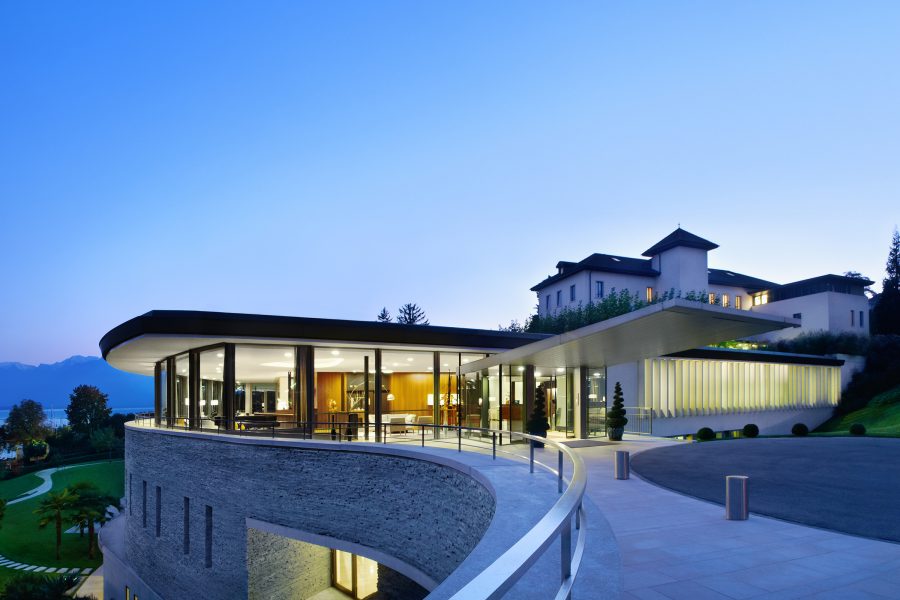
Clinique Suisse Montreux SA
Montreux, Switzerland
Clinique Suisse Montreux is a women's-health clinic at Grand-Rue 3. Its official materials identify a medical team, surgical facilities and gynecological and aesthetic services, with a separate clinic administration fee that must not be mistaken for the full surgical price. Clinique Suisse Montreux is a women’s health clinic at Grand Rue in Montreux. Its official website organizes services into gynecology, surgery and a separate holistic medicine and wellbeing category. Medical, nursing, therapy and administrative teams are presented through distinct directories. The clinical identity is therefore centered on women’s health rather than a general hospital service for every specialty. The gynecology menu names routine follow-up, endometriosis, menopause, fertility, maternity-related care and screening. These are different stages and purposes of care across a woman’s life. A maternity-related consultation is not used here as evidence of a separately documented full inpatient birth unit or neonatal intensive-care department. The surgical information lists endometriosis, intimate surgery, urinary incontinence, genital prolapse, minimally invasive procedures and plastic or aesthetic surgery. The clinic’s endometriosis page describes an assessment that can lead to medication, supportive measures or surgery, depending on the proposed plan. The existence of a service is reported without reproducing unsupported prevalence figures or promotional promises about effectiveness. The minimally invasive surgery page specifically discusses vNOTES and identifies its own operating block in Montreux as a setting for procedures. It describes individual assessment before an intervention and medical follow-up afterwards. The technique is listed in relation to selected gynecological operations, including hysterectomy and procedures on the ovaries or fallopian tubes, rather than as a universal replacement for all forms of surgery. Financial information is linked to the nature of the intervention and possible insurance coverage. The official surgical page describes a detailed estimate following the initial consultation. Separate clinic-fee information is published on its own page. This distinguishes a clinic charge or an individual estimate from a guaranteed total for every stage of treatment. The institution’s stated holistic approach and wellbeing services are presented as part of its own organization, not as proof of a medical benefit beyond established care. Its contact page gives weekday hours and appointment routes. The reviewed official sources establish the Montreux location, women’s-health specialties and a surgical setting, while they do not provide an unambiguous current count of inpatient beds, doctors, physical buildings or intensive-care places. Those aggregate fields therefore retain explicit source limitations instead of borrowing figures from another Swiss clinic. The institution reports the following clinical and infrastructure information: outpatient care: Yes. The scope and reporting period remain those of the linked institutional sources. The provider publishes these named service prices: Pre-surgical clinic administration fee: 280 CHF. Administration fee only, payable before anesthesia consultation; surgery and medical fees are separate.
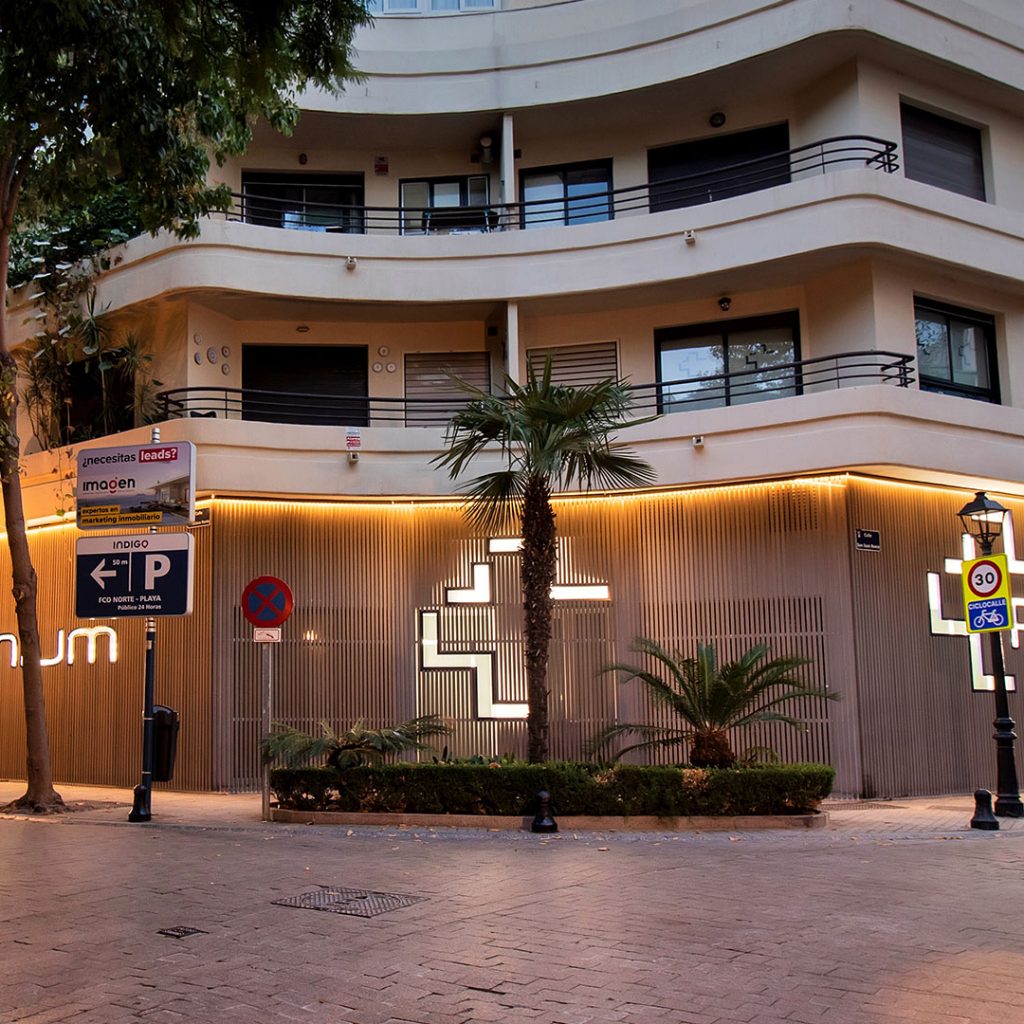
Clínica Premium Marbella - Hospital San Juan Bosco
Marbella, Spain
Clínica Premium's San Juan Bosco facility in Marbella combines medical consultations with diagnostic and surgical services. Its own institutional profile identifies urology, gynecology, radiology and podiatry, and the professional directory describes its specialist medical teams. Clínica Premium’s San Juan Bosco hospital forms part of its medical organization in Marbella. The official facilities navigation distinguishes the hospital from consultation sites at Jacinto Benavente and Alonso de Bazán and from a physiotherapy unit on Ramiro Campos Turmo. These are different addresses and functions within the local organization, not one building with several interchangeable names. The San Juan Bosco institutional profile describes specialist consultations, diagnostic imaging, operating rooms and inpatient care. It identifies urology, gynecology, radiology and podiatry among the services. This connects outpatient assessment with procedural and hospital resources, while the particular specialty and location remain part of the service description. The professional directory covers allergy, clinical laboratory work, anesthesia, digestive medicine and cardiology. It also identifies general surgery, plastic and reconstructive surgery, dermatology, endocrinology and nutrition. Physiotherapy and rehabilitation have their own entries. The directory includes nursing and laboratory-provider information as well as physicians, so its total number of names is not treated as a verified headcount of doctors. The clinic states that its physicians communicate in Spanish and English. This is a provider-reported language arrangement in the professional directory rather than an independent assurance that every staff member, document or encounter is available in both languages. The published bilingual clinical organization is particularly relevant to a Marbella institution serving both local and international patients. Diagnostic, surgical and consultation services are presented as related parts of the clinical offer. The separate physiotherapy location also gives the organization a rehabilitation component. These connections establish a broader pathway than a single isolated consultation, without assuming that every planned intervention includes the same investigations, anesthetic or recovery arrangements. The legal notice identifies the operating company and its registered address, while the current facilities directory identifies the hospital and other care locations. A registered office is not automatically the patient entrance or the only clinical building. The profile uses the hospital’s institutional page and current directory for the clinical identity and keeps them distinct from company registration details. Current whole-hospital bed capacity, a building inventory and an audited medical headcount are not inferred where the official pages do not clearly disclose them. The institution reports the following clinical and infrastructure information: outpatient care: Yes. The scope and reporting period remain those of the linked institutional sources. Clínica Premium describes its San Juan Bosco facility in Marbella as providing consultations, diagnostic imaging, operating rooms and inpatient care. Its official profile identifies urology, gynecology, radiology and podiatry among the services. Current procedure availability and individual estimates should be obtained directly from the clinic.

DA Plastic Surgery & Dermatology
Seoul, South Korea
DA Plastic Surgery & Dermatology is a specialist institution in Seoul's Gangnam district, with its official address on Teheran-ro. The provider describes a standalone medical building accommodating consultation, diagnostic examination, operating rooms, dermatology and postoperative recovery. Its international presentation connects plastic surgery, anaesthesiology, skin services and dental care within the organisation. These stated functions belong to the identified Seoul institution and are not combined with unrelated clinics sharing a similar name. The clinical presentation is organised around facial contouring, breast and body surgery, the eyes, nose, lifting and skin care. Procedure information and official clinician introductions allow different concerns to be discussed with the relevant specialty team. Facial planning is not reduced to appearance alone: the provider describes examination and collaboration among departments before the proposed intervention. The presence of dental care in that system is recorded without assuming an undocumented dental CAD/CAM or CEREC manufacturing laboratory. The institution states that its team comprises forty specialists, including twenty-four plastic surgeons and nine anaesthesiology specialists, alongside other clinical fields. These are the provider's published figures and are retained as such rather than presented as an independently audited staffing total. The named medical directory gives a separate route for reviewing individual clinicians. Patients can confirm the responsible surgeon and anaesthetic team for their actual appointment rather than inferring availability from an organisation-wide headline count. Its safety description identifies preoperative blood tests, computed tomography, chest radiography and electrocardiography, with investigations chosen within the planned clinical pathway. Anaesthesiology specialists and physiological monitoring are described during surgery. The floor guide distinguishes operating areas, comprehensive examination, consultation, reception, dermatology, a recovery ward and an aftercare centre. A postoperative ward is not automatically classified as a general intensive-care department, and the total number of beds is not inferred from the number of occupied floors. International coordination includes English-language consultation, help with transport and accommodation, and an aftercare contact after returning home. The provider explains a sequence from initial enquiry to assessment, a proposed plan, examination, surgery where appropriate and recovery checks. The website also publishes procedure information and patient-image galleries, but individual examples are not used to promise the same result for another person. Clinical suitability and the required stay depend on the intervention and findings discussed with the treating team. The pricing section explicitly explains why a customised quotation is used instead of fixed universal prices. The estimate considers the procedure, complexity, materials and associated services, with the final plan confirmed after consultation. Patients can request the included examinations, anaesthesia, admission or recovery arrangements and review appointments in writing. The official location page content also lists weekday and Saturday appointments. For travel, the intended procedure and necessary follow-up should be agreed before confirming departure, so the practical schedule reflects the full treatment course rather than only the date of surgery.
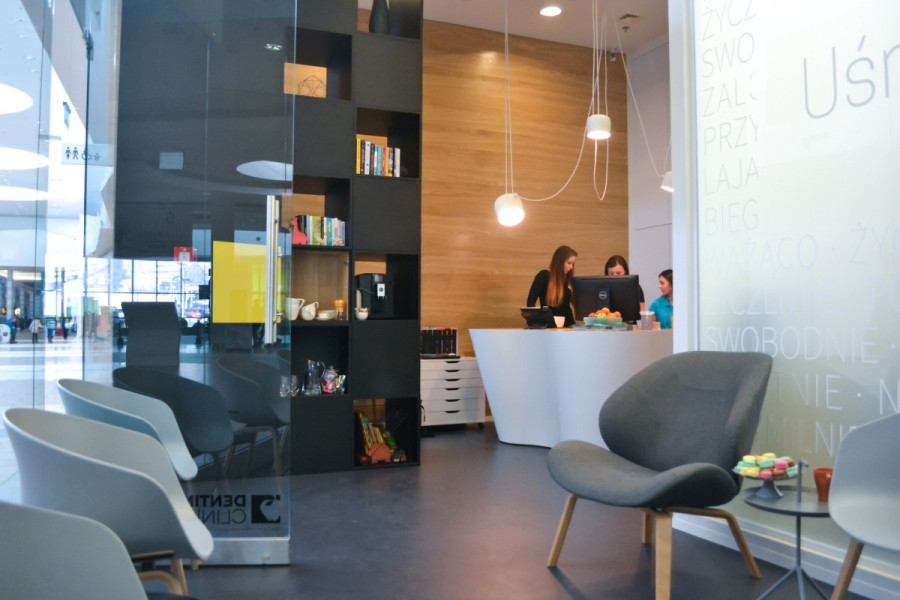
Dentim Clinic · Katowice
Katowice, Poland
Dentim Clinic provides dental assessment, implantology, orthodontics and restorative care at its verified Katowice locations. Dentim Clinic identifies itself as a dental center established in 2008 with an emphasis on implantology and orthodontics. Its official directory lists two Katowice locations, at Baildona Street in Dębowe Tarasy and Chorzowska Street in Silesia City Center, together with a Bydgoszcz center on Skłodowskiej-Curie Street. The brand belongs to Medicover. The Katowice service information and tariff provide the basis for this profile. The clinic describes a first consultation as an opportunity to assess oral health and discuss the patient’s expectations with a dentist. Following the assessment, the clinician proposes an approach and provides a preliminary treatment plan and estimate. Where an image is required, the clinic states that it can be performed on site. Diagnosis and planning are therefore described as identifiable stages before the proposed dental work. Its consultation categories include implantology, prosthodontics, orthodontics and general dentistry. The published explanation also names endodontic expertise. These areas cover different parts of dental care: replacement of missing teeth, restoration of tooth structure, correction of alignment and treatment planning for existing dental disease. The official tariff treats the specialist consultations as separate entries rather than implying that one consultation automatically includes every specialty. Dentim also lists an appointment for acute dental pain, swelling or a detached crown. The description of this service includes immediate pain relief, a panoramic image, diagnosis and a prescription. This is a defined dental appointment within the clinic’s published offer. It should be distinguished from a general hospital emergency department or an inpatient intensive care service. The anesthesia section differentiates computer-controlled local anesthesia, nitrous oxide sedation and general anesthesia. Nitrous oxide is priced by commenced time intervals, while general anesthesia has an initial-hour charge and a separate charge for further intervals. These are different options within the published dental pathway, with their own assessment and financial scope. The page does not treat them as a single standard supplement applicable to every patient. The official site provides separate local contact and booking information for Katowice and Bydgoszcz. Its Katowice tariff also lists dental hygiene and other named procedures. Together, the directory, first-visit description and itemized tariff establish the clinic’s current locations and the organization of its dental services without attributing an unconfirmed branch to another city. The official Katowice consultation page states that the patient receives a preliminary estimate alongside the proposed treatment plan. Its acute-pain appointment has a separately defined scope, while anesthesia and hygiene appear as their own tariff categories rather than automatically included elements of every consultation. The institution reports the following clinical and infrastructure information: outpatient care: Yes. The scope and reporting period remain those of the linked institutional sources. The provider publishes these named service prices: Comprehensive dental hygiene: 450 PLN. The Katowice tariff includes scaling, polishing and air polishing. Additional dental treatment is separate.
ID Hospital
Seoul, South Korea
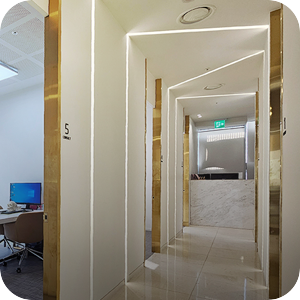
ID Hospital is a specialist surgical institution in Seoul's Gangnam district, with its official address on Dosan-daero. Its institutional history distinguishes the original plastic-surgery practice opened in 2004, hospital-level expansion in 2009 and a later Asian Beauty Center development. The present service presentation combines facial-bone surgery, eye and nose procedures, lifting and breast services with related dental and skin departments. This identifies the specific institution behind the catalogue entry rather than a general network-wide cosmetic offering. The Korean Health Insurance Review and Assessment Service lists thirty inpatient beds, comprising two premium and twenty-eight general beds, and forty-five doctors including seven dentists. Adult, pediatric and neonatal intensive-care beds are recorded as zero. These registry figures are kept separate from the hospital's postoperative recovery and nursing arrangements; they do not imply that every registered doctor is a plastic surgeon or that a recovery room is a formal intensive-care bed. Facial-bone and jaw surgery form a substantial part of the hospital's own history and clinical organisation. The timeline describes work on jaw correction, chin and V-line contouring and computer-assisted surgical simulation. It also records educational symposia, academic presentations and publication of a facial-contouring textbook. These are descriptions of the institution's clinical and professional development, not evidence that a particular branded technique guarantees a result. The proposed anatomical change and any associated orthodontic work require individual assessment. The eye service covers different eyelid concerns and age-related changes, while the nose centre describes procedures aimed at the bridge, tip and overall shape. Dedicated breast and lifting services are listed separately. The facility guide also identifies dental consultation, orthodontics and implant-related areas, as well as a dermatology annex. Those departments broaden the hospital's documented services without establishing an unverified dental CEREC or CAD/CAM manufacturing chain. Equipment or restorative methods should be confirmed within the relevant dental proposal. The published floor guide distinguishes international-patient coordination, comprehensive examination, consultation, operating areas, inpatient rooms and treatment or aftercare spaces. It describes nursing coverage and facilities intended to support recovery after surgery. The global centre provides interpretation and assistance for overseas patients, linking the initial enquiry with consultation and later care. Named clinical teams are available through the medical directory, allowing patients to confirm who is responsible for the proposed intervention and which department should assess the request. The official site offers appointment and cost-enquiry channels, but the reviewed institutional pages do not establish a universal fixed tariff for every operation. A complete proposal can identify the diagnosis, surgeon, planned procedure, anaesthesia, materials, admission and subsequent reviews. For patients travelling internationally, the required local stay and any preparation involving dental or other departments should be agreed before confirming the itinerary. This connects the hospital's specialist surgical scope with its actual examination and recovery pathway rather than treating the operation as an isolated booking.

JK Plastic Surgery Center
Seoul, South Korea
JK Plastic Surgery Center is a specialist clinic in Seoul's Gangnam district, with its official address on Nonhyeon-ro near Apgujeong. The institution dates its opening to 1998 and presents a clinical scope organised around the eyes, nose, facial contour, breast, body and age-related facial changes. Its international website publishes team biographies, safety arrangements, contact information and online consultation channels. These institutional sources support a more specific profile than a general statement that cosmetic surgery is available in Seoul. The medical directory introduces named plastic surgeons alongside physicians working in skin-related and family-medicine roles and an anaesthesiologist. The reviewed page contains eight named clinicians, with biography update dates varying across the entries. This is a public clinical roster rather than an independently audited workforce total. The regulator separately registers seven doctors for this location, so the published roster and registry count have different totals. Individual biographies distinguish areas such as eye and nose surgery, facial contouring, fat grafting, body shaping and breast procedures, allowing a consultation to be directed toward the relevant member of the team. Preoperative assessment is described in practical stages. The safety page identifies three-dimensional computed tomography for double-jaw and facial-contouring planning, body-composition assessment where relevant, blood tests, electrocardiography and chest radiography for selected surgical admissions. It also describes a further condition check on the day of surgery and confirmation of the intended design. These are the clinic's stated arrangements; the required investigations for an individual patient depend on the proposed procedure and the clinician's assessment rather than on a universal package of tests. Anaesthetic and operating-room information covers backup power, controlled operating environments, physiological monitoring and the presence of the anaesthesiologist through the perioperative process. The provider also describes emergency equipment and a cooperative connection with a university hospital. Such arrangements are documented without adopting the clinic's promotional statement of zero accidents as an independently verified outcome. Similarly, a recovery chamber and postoperative monitoring are not automatically treated as evidence of a general intensive-care department with a known bed capacity. The recovery pathway separates immediate observation near the operating room from later recovery accommodation. The official presentation describes single-patient rooms and nursing support, with aftercare and medical-aesthetic services available in the facility. The clinical directory also has a dedicated hair-loss treatment page, broadening the offering beyond surgical facial contouring. Patients can ask which postoperative arrangements apply to their actual intervention and what support is available after leaving the local recovery setting. The official contact page gives direct telephone and online consultation details, together with weekday opening hours and local transport information. The reviewed institutional material does not establish one complete fixed tariff for all operations. A proposed course should therefore be confirmed individually with the clinic, including the named surgeon, procedure, materials, anaesthesia, accommodation if needed and review visits. For international travel, the required stay and follow-up contact should be agreed alongside the operation rather than inferred from a general cosmetic-surgery promotion.
Kamol Cosmetic Hospital
Bangkok, Thailand
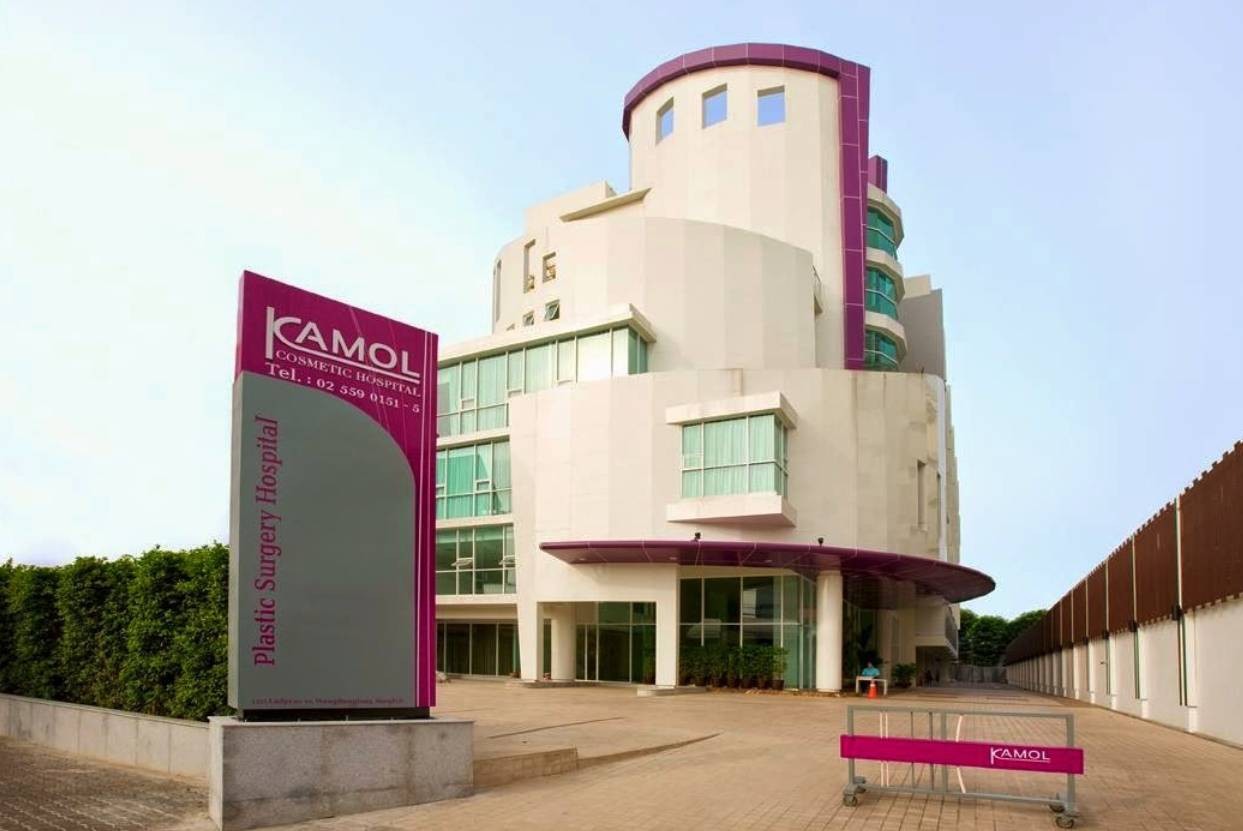
Kamol Cosmetic Hospital is a specialist aesthetic and gender-affirming surgery institution in Bangkok, founded and led by surgeon Kamol Pansritum. Its official introduction describes a development from a smaller clinical practice into a hospital serving international patients. The clinical model combines plastic surgery with other specialties involved in assessment, surgery and recovery. Its public presentation focuses on individual identity and coordinated care rather than treating every gender-affirming or cosmetic operation as one interchangeable procedure. The service directory separates male-to-female and female-to-male surgical pathways. Listed options include genital reconstruction, revision vaginoplasty, peritoneal vaginoplasty, chest surgery, hysterectomy, phalloplasty and metoidioplasty. Facial feminisation and masculinisation, voice-related surgery and other selected procedures appear as distinct services. The presence of an item in the directory does not settle eligibility, technique or the sequence of care. Those details depend on the relevant clinical assessment and the agreed treatment pathway, particularly when more than one specialty is involved. The public doctors page contains twenty-six distinct named physicians after removing a repeated entry. It includes plastic surgeons, anaesthesiologists, psychiatrists, gynaecological and urological specialists, general and colorectal surgeons, and other clinical roles. This count describes the published roster, not an audited employment total. The team structure helps explain why assessment and postoperative care may involve physicians beyond the operating surgeon. The hospital's aesthetic directory additionally includes nose and facial procedures, breast and body contouring and hair restoration, with skin services shown separately. The facility tour describes a purpose-built hospital with outpatient assessment and minor procedures on the third floor, operating facilities on the fourth and inpatient wards on the fifth and sixth. A monitored recovery area is described as having eleven beds. That is a recovery-area figure rather than the hospital's total inpatient capacity, and it does not establish an intensive-care unit. The upper medical residences are accommodation facilities, not automatically additional registered hospital beds. The source's room dimensions likewise do not provide a building or bed census. Diagnostic and supporting facilities include laboratory work, radiography, ultrasound, electrocardiography and cardiac assessment. The operating-floor presentation distinguishes microsurgical and endoscopic areas, with postoperative monitoring close to the theatres. The wellness and diagnostic floor also identifies men's, women's and LGBTQ+ clinics, dermatology, lasers and hair services. These descriptions show how assessment, surgery and recovery are arranged within the institution. They are provider statements about available facilities, without a promise that every visitor requires all of the listed investigations. International enquiries can be made directly without a referral. The contact information describes in-person and secure video consultations, English and Thai communication and interpretation in other languages on request. The team asks for the intended procedure and relevant medical history, and can assist with transfers and accommodation. Treatment requires an individual written quotation rather than a universal published surgical tariff. Confirming the responsible specialists, admission, follow-up and local recovery stay allows the surgical plan to be coordinated with the patient's return journey and subsequent contact.
LUX MED Warsaw
Warsaw, Poland
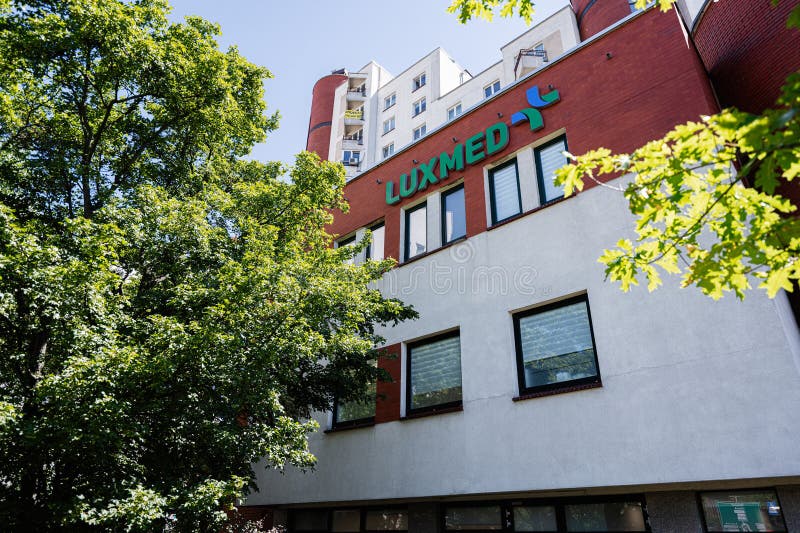
LUX MED in Warsaw represents multiple outpatient and hospital services rather than one uniform facility. Its official tariff requires selection of a service and location, while oncology and other specialist branches have their own clinical organization and referral pathways. The official LUX MED directory organizes care by service and address. For Warsaw, the group’s identity therefore includes several separately identified clinics and hospitals. Its published categories cover diagnostic imaging, laboratory testing, medical consultations, procedures, rehabilitation, mental health, dentistry and preventive services. The same directory allows a patient to choose a particular facility, rather than presenting all services as available in one building. Outpatient consultations and investigations are an important part of this organization. The group’s service finder connects a named examination or specialty with the location where it is offered. Rehabilitation and recovery appear as their own category alongside treatment and diagnostic work. Vaccinations and preventive assessments are also separately listed. This structure describes a network in which the relevant branch is part of the service specification. The Harmonia mental health service maintains its own financial information. Its price directory separates Warsaw locations from Wrocław, illustrating how even services within the same group can have different local arrangements. Dental services similarly appear as a distinct part of the wider LUX MED offer. A general network page is consequently different from a description of an individual hospital ward. The official MAVIT Warsaw Bielany hospital tariff provides a more detailed example of a specialist branch. It lists ophthalmology consultations according to the clinician’s professional category, follow-up appointments, optometrist assessments and qualification for laser vision correction. Laboratory packages are listed separately. These services belong to the named MAVIT site; their presence in its tariff does not establish identical provision at every Warsaw LUX MED address. LUX MED Oncology describes clinical studies supported by a team that includes research physicians, nurses and pharmacists. Its information discusses assessment by the treating team, voluntary participation and ethics review. This is a documented research pathway within the oncology service. It is distinct from a routine consultation and does not mean that every visitor or every branch participates in a study. The main tariff is searchable by category, service and facility. The provider states that listed amounts are informational and may change; consultations or investigations at night, on Sundays or during holidays may have different charges. Local service selection is therefore part of the group’s published financial organization, not a single treatment price covering its entire Warsaw network. The institution reports the following clinical and infrastructure information: outpatient care: Yes. The scope and reporting period remain those of the linked institutional sources. LUX MED Oncology in Warsaw describes clinical studies of medicines and therapies, supported by research physicians, nurses and pharmacists. Its official page explains voluntary participation, ethics review and assessment by the treating team. This information concerns the oncology service rather than every LUX MED clinic in Warsaw. The institution publishes a separate tariff, package-information or cost-estimation resource. The provider publishes service-level tariffs. Choose the procedure, location and payment category in the official price list.
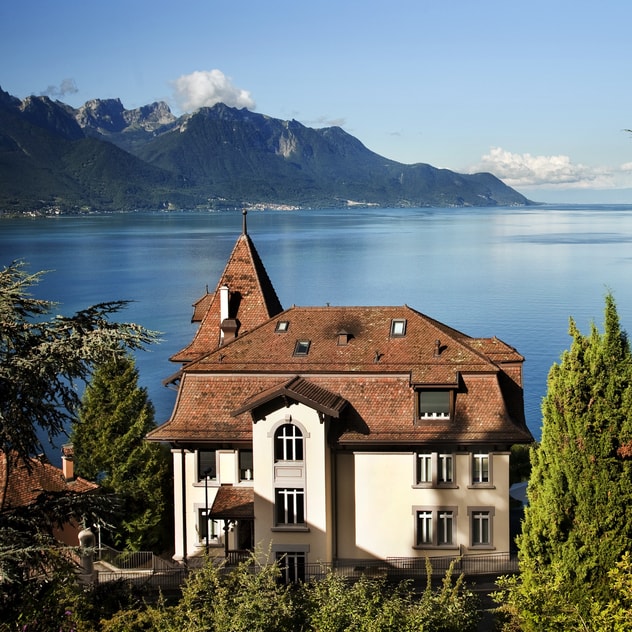
Laclinic Montreux
Montreux, Switzerland
Laclinic Montreux focuses on aesthetic surgery, aesthetic medicine and dental services on the Swiss Riviera. Its official directory identifies specialist teams and consultation pathways, and its published tariff separates medical consultations, surgical procedures and nonsurgical treatments with service-specific prices. Laclinic Montreux is located on Avenue de Collonge above the Swiss Riviera town of Montreux. Its official offer separates aesthetic surgery, aesthetic medicine, health and beauty services and dental aesthetics. The professional and contact information identifies a specialist clinic with consultation and treatment pathways, rather than a general hospital providing all emergency and medical specialties. The surgical service list distinguishes facial, breast and body procedures. Facial options include eyelid, nose, ear and facial-contour surgery and lifting procedures. Breast surgery includes augmentation, reduction, lifting and fat transfer. Body procedures include abdominal contouring, liposuction, arm and thigh surgery and selected intimate procedures. These are different interventions and anatomical scopes, not one standard aesthetic package. Nonsurgical aesthetic medicine has its own directory. The published list includes selected injections, laser and light-based treatments, peeling, ultrasound-based skin treatment and other device-based services. Their presence in the offer is reported without treating a branded technology as proof of universal effectiveness or suitability. The tariff page describes an initial appointment before a medical or surgical aesthetic treatment. It differentiates an aesthetic medicine consultation from a surgical consultation and then lists treatment-specific amounts. Laser prices may differ by the body area or combination of treatments, while other entries require an individual quote. The provider explicitly describes the tariff as indicative and potentially variable with complexity or duration. The official team account identifies aesthetic surgeons and aesthetic physicians separately. It also describes scientific publications and participation in professional training, including an international fellowship context. These are documented professional activities, distinct from evidence that every technique mentioned in a publication is offered routinely or produces the same result for every patient. The contact page states that staff speak French, English, German, Italian, Portuguese and Russian and that external interpreters can be used for other languages. It provides appointment and travel information and describes parking arrangements for a stay. These are patient-coordination features. The clinic’s service, tariff, team and contact pages support its local identity and specialist organization while leaving undisclosed inpatient, intensive-care or whole-clinic workforce figures unasserted. The institution reports the following clinical and infrastructure information: outpatient care: Yes. The scope and reporting period remain those of the linked institutional sources. The provider publishes these named service prices: Aesthetic medicine consultation: 150 CHF. Medical consultation only; plastic surgery consultations and procedures have separate prices.
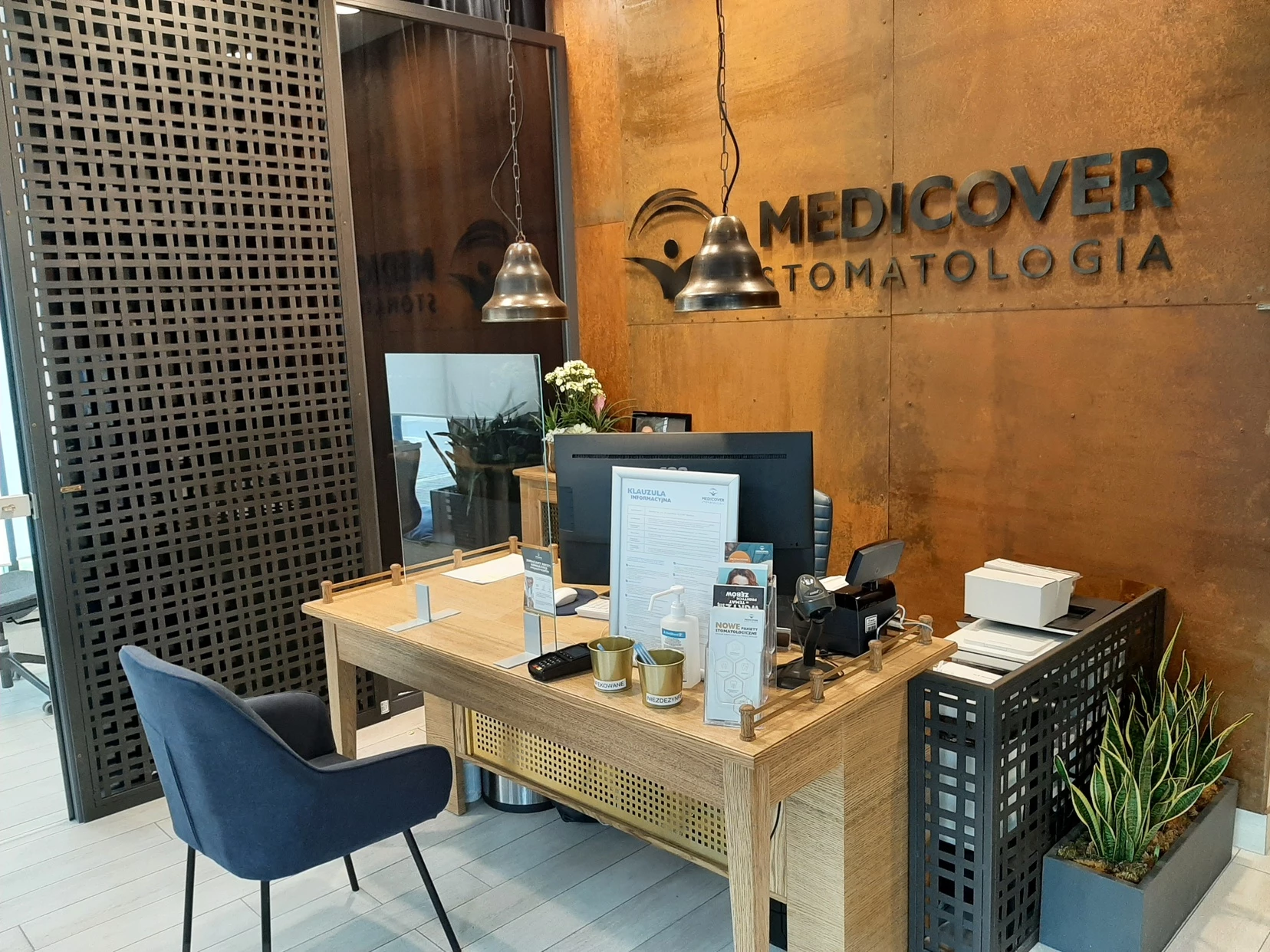
Medicover Dental Warsaw
Warsaw, Poland
Medicover Stomatologia provides dental assessment and treatment through Warsaw centers. Its published service information distinguishes implant placement from the whole implant-restoration pathway and separates standard prices from membership offers or promotional terms. Medicover Stomatologia’s official website organizes dental care by city, center and specialty. Its price finder includes Warsaw as a selectable location and distinguishes conservative dentistry, implantology, orthodontics, periodontology and prosthodontics. The Warsaw profile concerns this dental network and its treatment pathways, rather than the separate Medicover general hospital and its inpatient departments. The conservative dentistry tariff separates a temporary filling from definitive composite restorations. Restorations are further differentiated by the number of tooth surfaces involved and, for some options, by the material used. Reconstruction of a broken tooth is listed as a separate service. This level of detail shows how the provider describes treatment at the level of an individual dental procedure instead of assigning one universal charge to an appointment. For implant treatment, the Warsaw information explains that planning begins with an implantology consultation. The clinician assesses the condition of the gums and available bone, discusses the proposed approach and presents an estimated treatment cost. The provider notes that some patients require preparatory treatment and that a course of care can involve several stages. Implant selection is another factor in the resulting plan. The published service list distinguishes placing the implant from fitting a crown on that implant. It also distinguishes standard and premium implant options. These are different components or categories of treatment, so an implant fixture price is not presented here as the cost of an entire completed tooth replacement. The official page links implant information with panoramic imaging, root canal treatment and the directory of Warsaw implant clinicians. The dental price finder allows searches within a chosen specialty as well as by city. This reflects the network’s local organization: a service description and the center where it is delivered are linked parts of the offer. Orthodontic, periodontal and restorative services appear alongside implant care, allowing the website to describe several types of dental need without treating them as interchangeable procedures. Medicover also publishes membership and promotional offers. Its tariff displays standard amounts separately from MediClub terms and identifies some consultation or treatment amounts as starting prices. The provider describes the general dental price list as approximate. The distinction between standard charges, membership conditions and the individually planned course of treatment is therefore part of its own published explanation of costs. The institution reports the following clinical and infrastructure information: outpatient care: Yes. The scope and reporting period remain those of the linked institutional sources. The provider publishes these named service prices: Standard implant placement: from 3199 PLN. Implant placement in Warsaw; the full restoration and any preparatory work need a separate estimate.
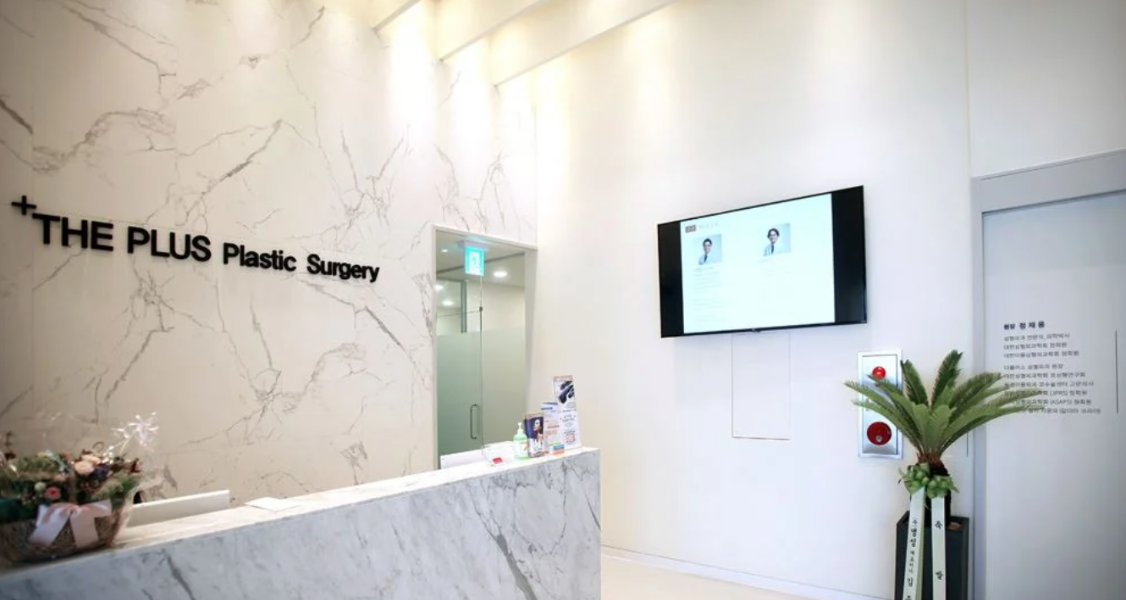
THE PLUS Plastic Surgery
Seoul, South Korea
THE PLUS Plastic Surgery is a specialist practice on Garosu-gil in Seoul's Gangnam district. Its official location information identifies the third and fourth floors of the published address and provides direct consultation contacts. The institutional presentation focuses on personalised surgical assessment, rhinoplasty, revision nasal surgery, facial contouring and breast procedures. These sources identify the actual Seoul practice rather than treating general references to Korean cosmetic surgery as a description of its own facilities or clinical capacity. Rhinoplasty is a substantial part of the provider's clinical and educational presentation. The practice distinguishes primary treatment from revision, where previous surgery and the remaining structures have to be evaluated. It also describes facial-contouring options and breast work, including augmentation, lifting and reduction. A dedicated Motiva page presents one implant-related offering. The availability of a particular brand does not determine the implant, size, technique or overall suitability for an individual patient, which remain subjects for the clinical consultation. The official team page introduces Kim Taek-kyun, Jeong Jae-yong and Lee Hoon-young as plastic surgeons, with separate educational and professional biographies. Those three entries are recorded as a named clinical roster rather than an independently audited staffing total. The biographies distinguish training, previous positions and areas of professional activity. Patients can use the directory to identify the clinician responsible for an assessment and confirm who would perform any agreed procedure, rather than assuming that all listed doctors attend every appointment. Academic activity is documented on a separate institutional page. It describes rhinoplasty textbooks, conference presentations and papers associated with the medical team. One example is the English-language publication of Rebuilding Nose: Rhinoplasty for Asians in 2018, alongside Korean and Japanese educational editions. The page also discusses participation in rhinoplasty forums and surgical education. These are specific descriptions of teaching and publication activity; they do not establish that a textbook or conference appearance alone proves superior treatment outcomes for a particular operation. The clinic's safety presentation identifies sterilisation and disinfection, backup power and monitoring during the treatment process. It also describes postoperative progress checks and individual care instructions. These arrangements connect consultation with recovery and are preserved as statements about how the provider organises care. They are not used to infer an intensive-care unit, a known bed capacity or a general emergency-hospital service, none of which is established by the reviewed pages. Additional aesthetic offerings are presented on separate pages and require their own clinical discussion. Initial online consultation is described as free, while the complete proposed operation and associated costs require an individual plan. The published location page provides directions from local transport and direct WhatsApp or email contacts. Patients can request written confirmation of the surgeon, intended intervention, implant or other materials, anaesthesia, expected local stay and review appointments. Agreeing those details before travel helps separate preliminary remote information from the final clinical decision and connects the clinic's specialist offering with practical arrangements for recovery and follow-up after returning home.

VIEW Plastic Surgery
Seoul, South Korea
VIEW Plastic Surgery is a specialist clinic on Bongeunsa-ro in Seoul's Gangnam district. Its official introduction describes a dedicated building with four basement levels and fifteen above-ground floors. The institutional timeline records its twentieth anniversary in 2025. The service presentation covers breast surgery, facial contouring, jaw correction, the eyes, nose, liposuction and lifting, with associated skin and other services identified separately. The profile follows the specific Seoul institution rather than combining every affiliated consultation office into one hospital's capacity. The Korean regulator HIRA lists twenty-eight inpatient beds and twenty-three registered medical doctors for the identified plastic-surgery clinic. Its adult, pediatric and neonatal intensive-care bed entries are zero. These registered figures are separated from the provider's floor guide, recovery wards and other clinical organisations in the building; they do not turn every floor into additional beds or imply that all associated dental clinicians belong to the same registered roster. Breast services include augmentation, reduction, lifting, implant-related revision and removal, together with a dedicated examination offering. Facial surgery distinguishes cheekbone, jaw-angle and chin work from more extensive jaw correction. The nose directory separates functional concerns, tip or alar work and revision, while eyelid services cover crease formation, ptosis, canthoplasty and age-related changes. Body contouring, facial lifting and fat grafting are also presented. These areas have different diagnostic and recovery needs, which should be established within the proposed clinical assessment. The safety page describes anaesthesiology specialists, a named responsible surgeon and monitoring before, during and after surgery. It identifies backup power, emergency equipment and sterilisation arrangements, together with postoperative rounds. Those are concrete provider statements about perioperative organisation. Descriptions of premium aftercare equipment are not converted into guarantees of accelerated healing or absence of complications. The presence of recovery rooms and monitoring remains distinct from the formal intensive-care classification in the regulator's listing. The virtual tour identifies examination, consultation, operating and patient-ward areas, along with treatment and aftercare centres. It also shows how different functions are arranged within the building, including associated dermatology and dental spaces. International concierge information describes language assistance, help coordinating accommodation and transport, and different service arrangements for visiting patients. The appropriate clinical provider, appointment location and included support can be confirmed before travel, particularly where more than one department or organisation is involved. Official contact details include the Bongeunsa-ro address, telephone and English-language enquiry channel, with weekday and Saturday appointment information. The website's general pricing articles discuss variables affecting surgical budgets rather than establishing one fixed tariff for every visitor. An individual written proposal should identify the surgeon, procedure, materials or implants, anaesthesia, admission if needed and review visits. Agreeing the necessary local stay and aftercare contact alongside those items helps connect the operation with the complete recovery pathway and the arrangements required after returning home.
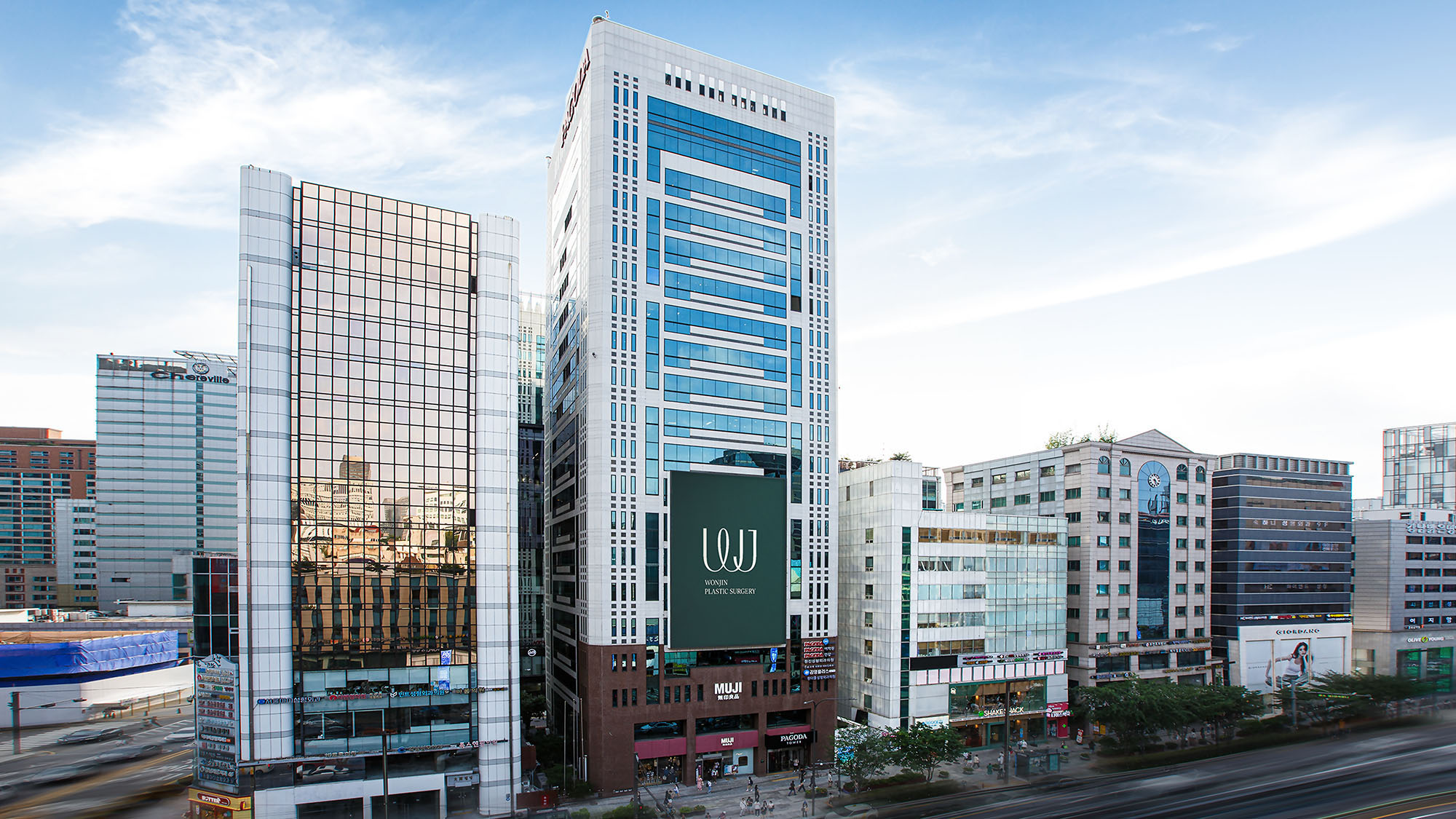
WJ Wonjin Plastic Surgery Hospital
Seoul, South Korea
WJ Wonjin Plastic Surgery Hospital is a specialist institution in Seoul's Seocho district, with its official location in Pagoda Tower near Gangnam station. The institution's history dates its activity to 1999. Its published floor guide separates consultation, operating and recovery areas, dermatology, an anti-ageing centre and hospital rooms. These are described as functions within the Seoul location rather than combined capacities of every Wonjin-affiliated operation in other countries. Exact total bed and physician figures are not established by the reviewed pages. The official service directory includes eye surgery, rhinoplasty, facial contouring, breast procedures and body contouring. Eye-related services distinguish eyelid-crease procedures, ptosis correction, canthoplasty, lower-eyelid work and revision. Rhinoplasty is organised around the nasal bridge, tip, deviation and previous surgery. An additional otorhinolaryngology section lists septal correction, rhinitis, chronic sinusitis and nasal-valve narrowing. This broadens the documented nasal offering beyond appearance alone while leaving the appropriate clinical route to individual assessment. Facial-contouring options address cheekbones, the jaw and chin, forehead and more extensive two-jaw surgery. Breast services include augmentation, reduction, lifting, nipple procedures and treatment of gynecomastia. Body services cover liposuction, abdominal contouring and buttock surgery. The anti-ageing directory contains different lifting methods, fat grafting and fillers. These categories are retained as services described by the institution, without converting marketing language about appearance or recovery into a guarantee of the result. The safety page describes preoperative examination, selection of anaesthesia using assessment data and monitoring by an anaesthesiologist throughout the operation. It names physiological monitoring and separate recovery arrangements until the patient's condition is stable. For two-jaw and facial-contouring patients, the institution explicitly describes an intensive-care recovery centre. This is recorded with its stated postoperative scope; it is not presented as confirmation of a general emergency hospital or an independently audited intensive-care capacity. International services cover preliminary enquiries about the proposed surgery, estimated cost, expected recovery, admission and appointment arrangements. The provider lists interpretation in several languages, including English and Russian. Its description also includes help coordinating nearby accommodation and transport, consultation with the surgeon and interpretation during postoperative care. The final operation follows confirmation of the treatment area and consent, so a preliminary remote exchange does not replace the clinical assessment required before an intervention. The official contact page identifies the Pagoda Tower address, language-specific contacts and weekday or Saturday opening hours. Individual estimates are discussed through the international-patient service rather than a universal fixed package for every procedure. Patients can request written confirmation of the surgeon, diagnosis, operation, implant or other materials where applicable, anaesthetic arrangements, local stay and follow-up. That sequence connects the clinic's specialist surgical offering with the practical needs of travelling for care and makes the scope of each quoted component clear before booking.
Wansiri Hospital
Bangkok, Thailand
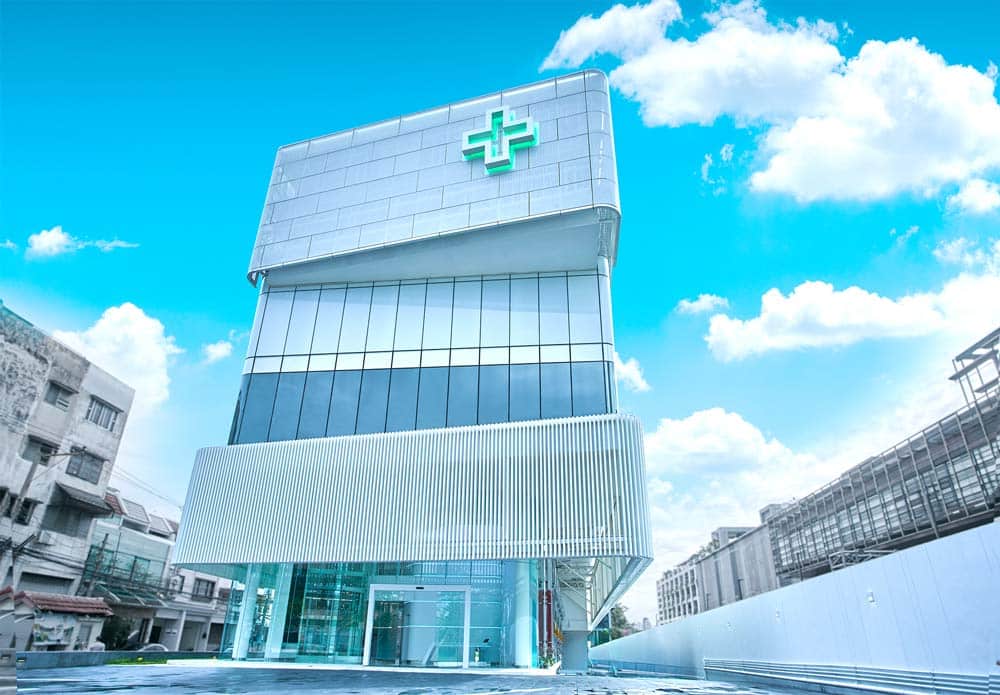
Wansiri Hospital is a specialist aesthetic and reconstructive-surgery provider in Bangkok's Bang Kho Laem district. Its official address is on Rama III Road, with consultation enquiries handled through the hospital's own telephone, email and international messaging channels. The institution describes a model in which different surgical specialists can assess connected concerns at one location. Its public clinical presentation extends beyond a single cosmetic procedure to facial surgery, breast and body procedures, gender-affirming surgery, gynaecological care and skin-related services. The hospital's facility description identifies a six-storey building with more than thirty beds and over 5,700 square metres of usable space. Those are provider-published figures without a stated census date. The description discusses operating-room air filtration and touchless fittings intended to reduce contact with shared surfaces. These practical design features are kept separate from an accreditation award or a guarantee against infection. The reviewed pages do not establish a formal intensive-care unit or its capacity, so postoperative care is not automatically labelled as ICU treatment. The public team page lists eight named doctors across surgical and wellness sections, with fields including rhinoplasty, breast surgery, gender-affirming surgery, gynaecology, fat grafting, dermatology and age-related care. This is a count of the displayed clinical roster rather than an audited total workforce. Individual team entries and consultation routing are more useful than treating all listed physicians as interchangeable operators. The responsible doctor and the scope of any combined procedure can be clarified through the hospital's appointment channel. Facial treatment information distinguishes upper, middle and lower facial lifting from neck procedures. The facelift guide discusses deeper tissue repositioning, while the endoscopic-brow section describes an approach directed at brow position rather than a complete replacement for all facial surgery. The broader directory separates cheekbone, jaw and chin contouring, eyelid operations, ptosis correction and different nose procedures. Breast services include reduction, lifting, revision and fat transfer, while body services include liposuction, abdominal contouring and buttock procedures. These are distinct clinical categories with different assessment and recovery requirements. The official service menu also includes male-to-female and female-to-male surgery, selected gynaecological procedures and a wellness department. Its skin offering lists laser and injectable treatments. The presence of additional wellness marketing does not establish that every advertised intervention has the same evidence or is appropriate for a surgical patient. This profile therefore describes the documented departments without turning promotional health claims, patient testimonials or social-media popularity into clinical outcome promises. The relevant medical indication and proposed treatment remain part of the consultation. Published contact hours run from nine in the morning until nine in the evening. The surgical guides discuss cost as dependent on the procedure, anaesthesia, admission and aftercare; their general Bangkok price ranges are not a fixed Wansiri tariff. An individual written estimate can specify the surgeon, operation, included examinations and postoperative visits. Confirming those details with the intended local stay links the hospital's surgical facilities with a practical recovery and return-travel plan.