Privatklinik Graz Ragnitz
Graz, Austria
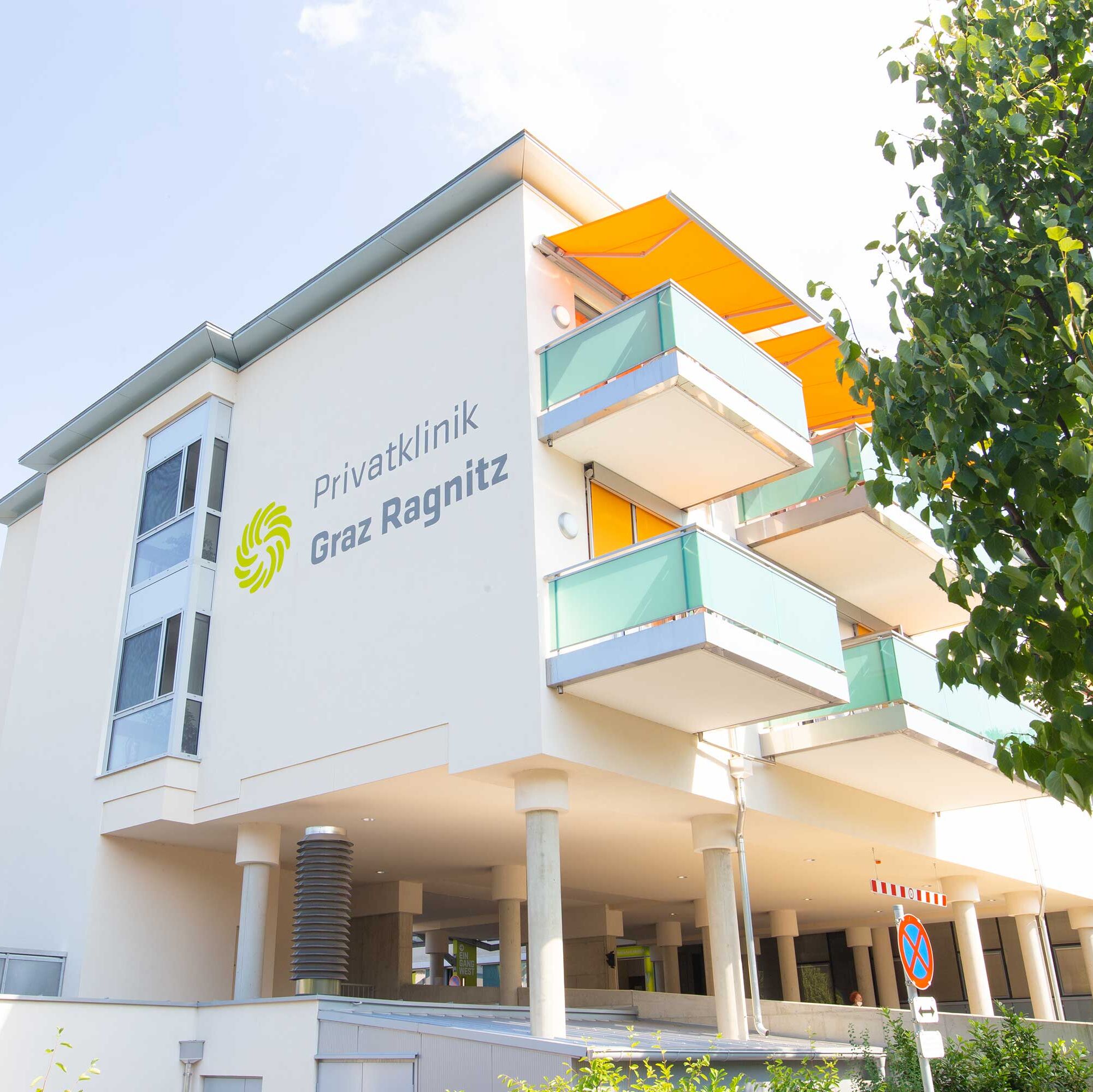

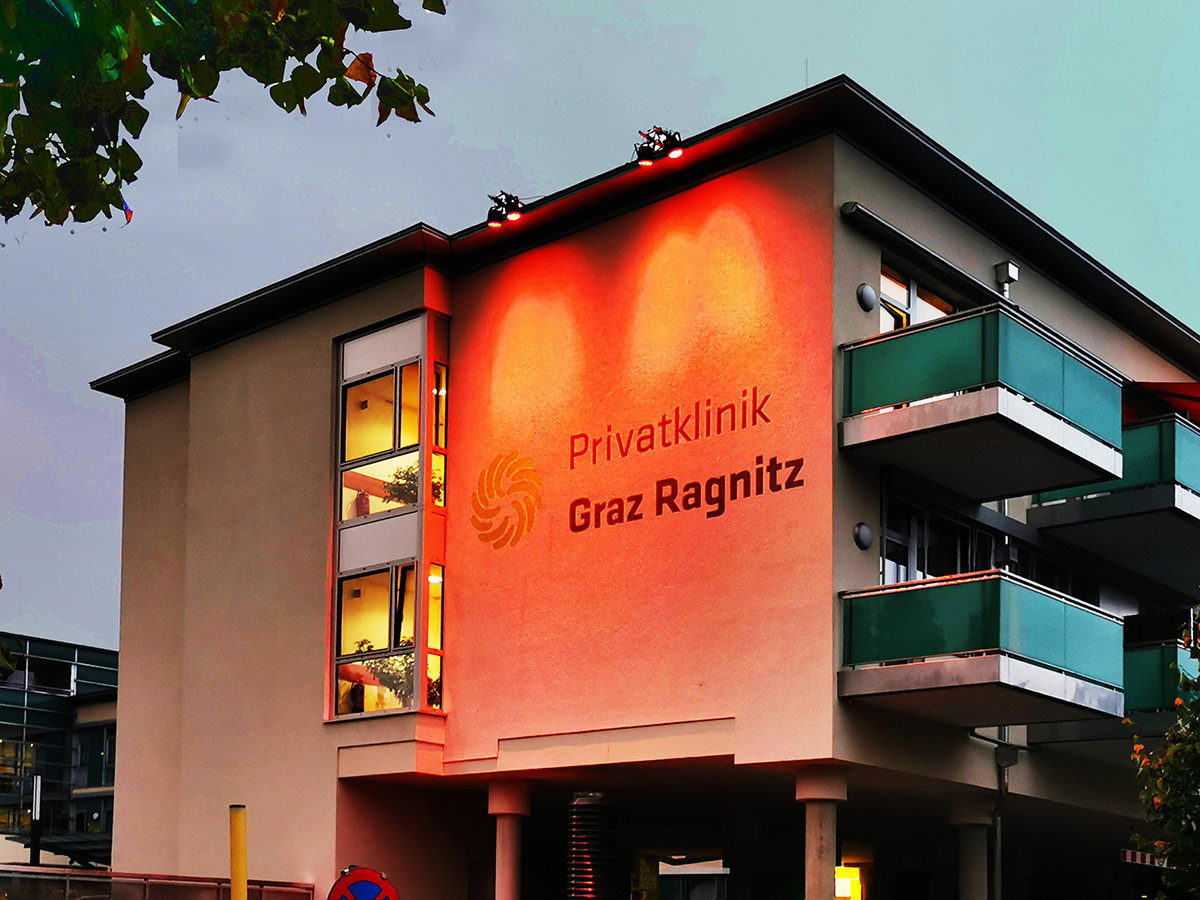


Hospital catalog photographs. Confirm current facilities with the provider.
Clinical Fact Sheet
Key facts
- Buildings
- Not publicly disclosed
- Doctors
- Not publicly disclosed
- Price segment
- Not publicly disclosed
Executive Summary & Profile
Privatklinik Graz Ragnitz offers medical and surgical admission with diagnostic and specialist-consultation facilities under one roof. Its infrastructure includes single and double rooms, operating rooms and an anesthesia-led intermediate-care service for postoperative monitoring.
The official infrastructure directory describes five operating rooms and a separate endoscopy procedure room. It also identifies a cardiac-catheterization laboratory, a sleep laboratory, clinical laboratory support and a consultation center containing specialists from different disciplines. These are distinct diagnostic and treatment facilities within the clinic, rather than one undifferentiated category of hospital equipment.
The endoscopy information names gastroscopy, colonoscopy and bronchoscopy. The radiology platform includes magnetic resonance, computed tomography, digital radiography and ultrasound. The maternity infrastructure is separately described with four delivery rooms. Inpatient accommodation is provided in single and double rooms, with the bed figure attached to the clinic's own published infrastructure account.
The medical directorate's team information distinguishes anesthesiologists, ward physicians and radiology staff. Laboratory work, quality management and physiotherapy are also placed within the medical organization. This provides a clearer account of the clinical support structure than assuming that the total employee count would equal the number of doctors.
The anesthesia department describes general, regional and local anesthesia, emergency medicine, intensive medicine and pain treatment. Its account links preoperative assessment, operative care and postoperative follow-up within the clinic. Specifically trained nursing staff work with the medical team, while the anesthesiologists also have responsibility for emergency medical care in the institution.
The clinic's intensive-care information distinguishes an authorized level-one intensive-treatment unit from intermediate-care monitoring. The published description states that these services are available around the clock and identifies continuing anesthesia and intensive-nursing presence. Earlier institutional history describes the introduction of an anesthesia-led intermediate-care unit in 2010; that historical milestone is not substituted for the more detailed current service classification.
The official material emphasizes the connection between the operative suite, postoperative recovery, monitored treatment and the ordinary wards. Its diagnosis and consultation services are located within the same institutional setting, allowing the clinic to describe outpatient assessment and inpatient medical or surgical treatment under one organization. These published features support a hospital-specific account of its service scope without assuming that every operation, investigation or accommodation category belongs to a single fixed-price package.
The clinic describes its anesthesia service as part of the perioperative pathway, covering preparation for anesthesia, care during an intervention and observation afterwards. Its intensive medicine page identifies both an intermediate care area and authorization for level-one intensive care, with staffing available around the clock.
The institution reports the following clinical and infrastructure information: outpatient care: Yes; inpatient beds: 144; intensive care / resuscitation: Yes · level 1 ICU and IMCU. The scope and reporting period remain those of the linked institutional sources.
Core Medical Specialties
- Traumatology
- Cardiology
Available On-Site Services
- Orthopedics
- General surgery
- Internal medicine
- Rehabilitation coordination