Privatklinik Döbling
Vienna, Austria
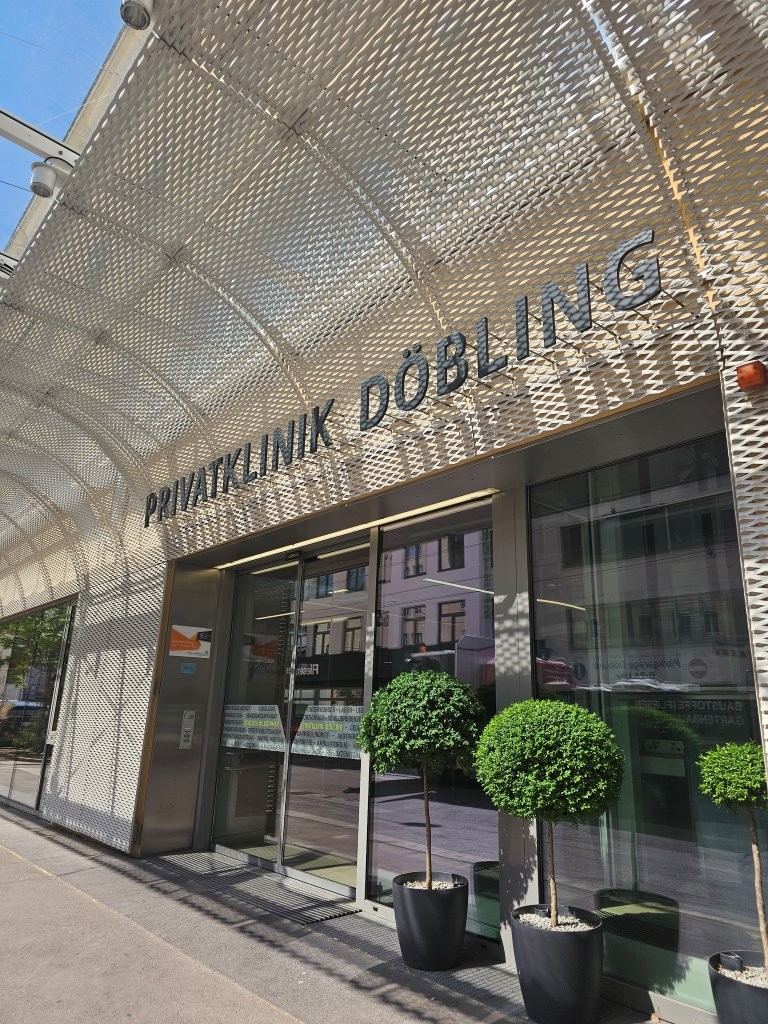


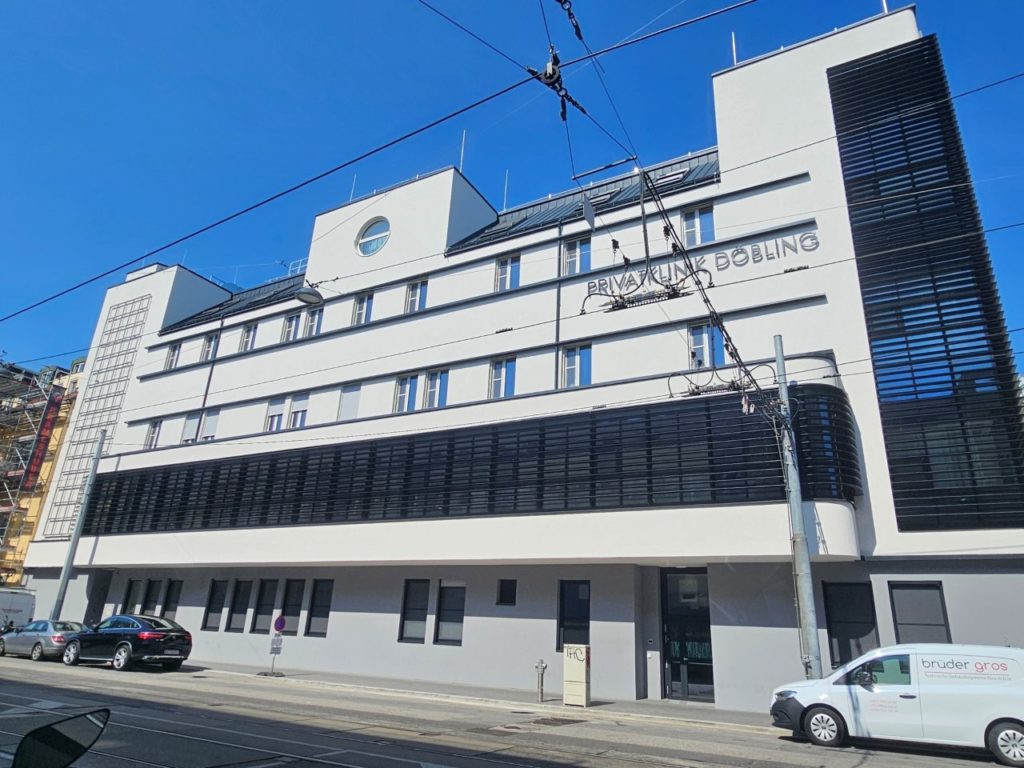
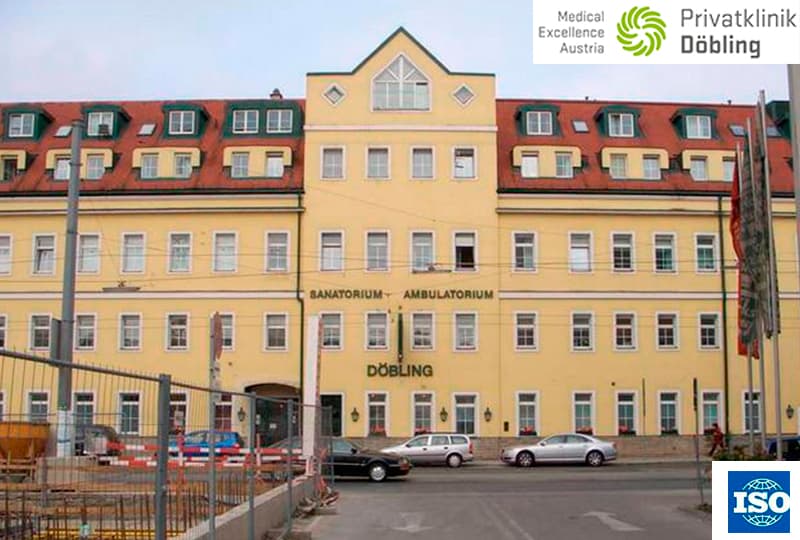
Hospital catalog photographs. Confirm current facilities with the provider.
Clinical Fact Sheet
Key facts
- Buildings
- Not publicly disclosed
- Doctors
- Not publicly disclosed
- Inpatient beds
- Not publicly disclosed
- Price segment
- Not publicly disclosed
Executive Summary & Profile
Privatklinik Döbling combines inpatient and day-clinic treatment with the Ambulatorium Döbling outpatient service. Its intensive-monitoring arrangements are described as IMCU capacity, and a recent extension expands space for surgery, maternity and consultation services.
The clinic explains its attending-physician model through its patient-stay information. Patients may attend with a doctor they already know, who uses the hospital's infrastructure and works with the clinic's team. The patient-management service also provides a route for identifying an appropriate specialist when the patient does not already have an attending doctor. This describes the institution's clinical organization rather than a promise that every specialist is continuously present on site.
The Ambulatorium Döbling is presented as a multifunctional diagnostic and outpatient center. Its published methods include radiography, computed tomography, magnetic resonance and extended laboratory diagnosis, together with outpatient care in several specialties. The source distinguishes services offered under the applicable statutory arrangements from private physician tariffs, rather than treating all investigations as financially identical.
The institution explicitly distinguishes inpatient, day-clinic and outpatient care. An inpatient stay includes an overnight hospital admission; day-clinic admission and discharge occur on the same day. The clinic gives selected eye operations as one example of day treatment. These are different service settings within its patient pathway and should not be confused with different names for the same hospital bed.
Anesthesia and intensive medicine are described in a dedicated infrastructure account. The medical team provides anesthetic procedures, postoperative pain treatment and care before, during and after an operation together with specifically trained nursing staff. The anesthesia service also has a role in emergency medical care inside the clinic.
The recovery area is described as having eleven monitored treatment beds. Its monitoring covers electrocardiography, blood pressure, oxygen saturation and temperature, with information also transmitted to a central observation point. The official material separately identifies positions for regional anesthesia and four intermediate-care beds, together with ventilatory support. The intermediate-care classification is retained; these places are not presented indiscriminately as a full general intensive-care ward.
The clinic's account places the return to an ordinary ward under the treating doctor's clinical decision after monitored recovery. Its published arrangements therefore connect the attending specialist, anesthesia, postoperative observation and ward care within one institution. The patient-stay and diagnostic-center information provides a complementary explanation of how ambulatory assessment and planned admission fit into that organization.
The institution reports the following clinical and infrastructure information: outpatient care: Yes; intensive care / resuscitation: Yes · 4 IMCU beds and recovery monitoring. The scope and reporting period remain those of the linked institutional sources.
Core Medical Specialties
- Childbirth & Citizenship
- Traumatology
- Cardiology
Available On-Site Services
- Maternity ward
- Orthopedic surgery
- Diagnostics
- Family rooms