Johns Hopkins Hospital
Baltimore, USA

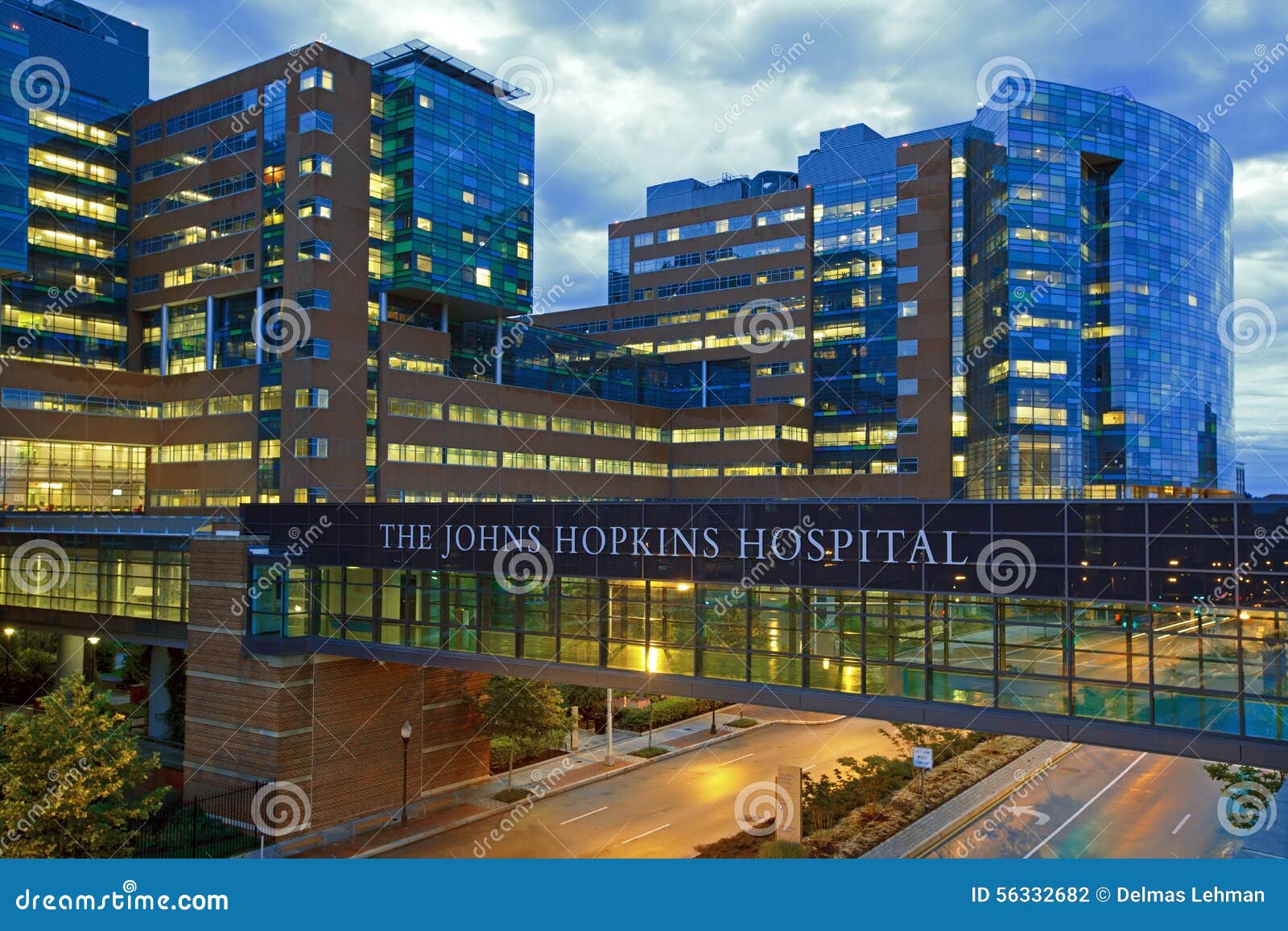
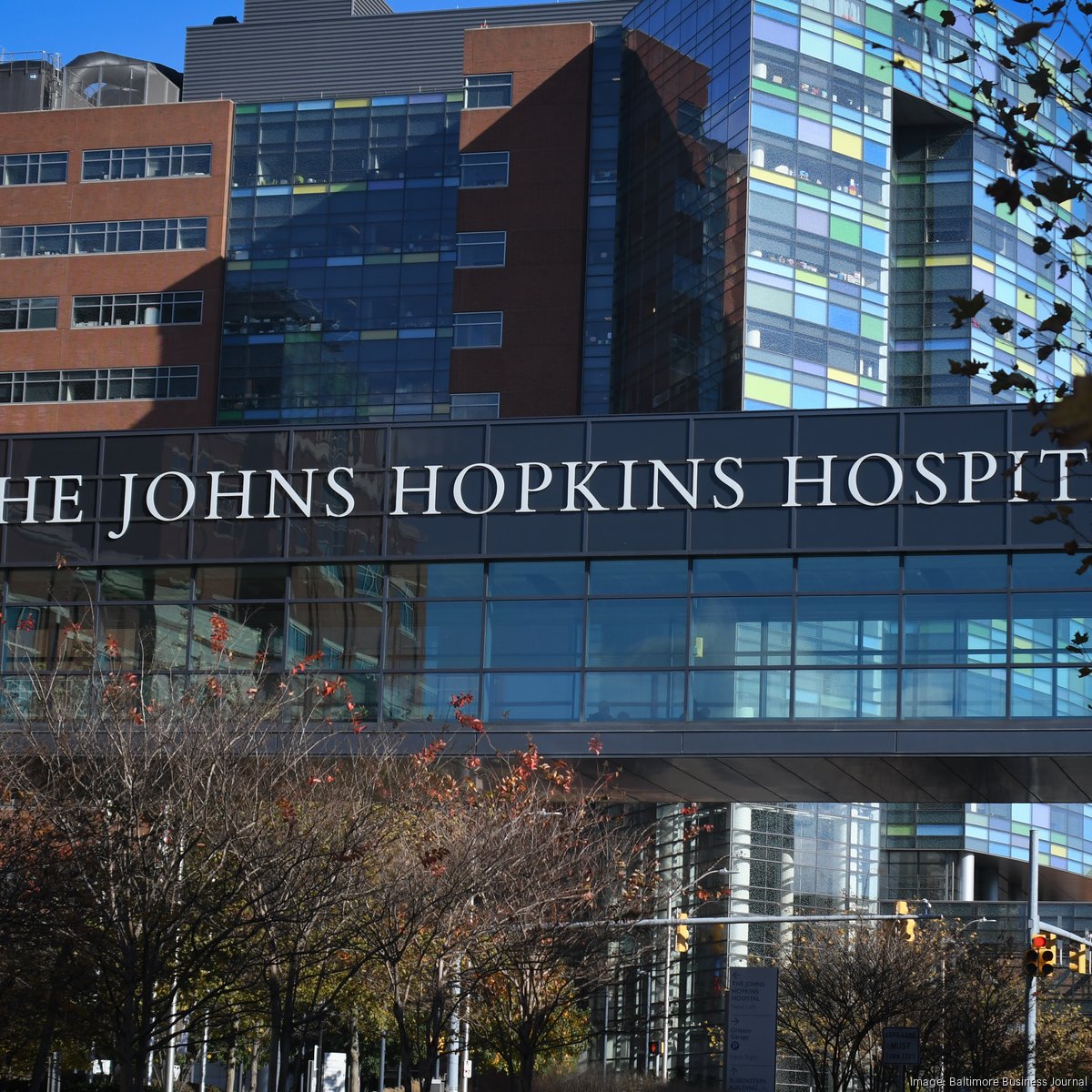


Hospital catalog photographs. Confirm current facilities with the provider.
Clinical Fact Sheet
Key facts
- Intensive care / resuscitation
- Not publicly disclosed
- Buildings
- Not publicly disclosed
- Price segment
- Not publicly disclosed
Executive Summary & Profile
The Johns Hopkins Hospital in Baltimore connects tertiary patient care with medical education and research. It is distinct from the wider Johns Hopkins Medicine network, and its own hospital figures identify inpatient capacity and attending physicians without including every affiliated institution.
The Johns Hopkins Hospital opened in Baltimore in 1889. Its official institutional history connects patient care with medical education and research, describing an academic hospital whose role includes both specialist treatment and the training of future physicians, nurses and scientists. It is one component of Johns Hopkins Medicine, rather than the name of every hospital or practice in that wider organization.
The current hospital overview reports annual admissions and emergency department activity separately. It also identifies full-time attending physicians as a specific staffing category. A separate Johns Hopkins Medicine fact sheet lists licensed beds by hospital, including pediatric beds at the Johns Hopkins Children’s Center. These reporting categories are preserved so that outpatient activity, faculty appointments and network-wide employment are not mistaken for the capacity of the Baltimore hospital.
The official facts material distinguishes The Johns Hopkins Hospital from Bayview, Howard County, Sibley, Suburban and All Children’s hospitals. Each has its own capacity and professional figures. This is a substantial distinction in a large academic system: affiliation with the same organization does not make their buildings, beds or medical staffs interchangeable.
The hospital’s mission describes improving community health through patient care while advancing diagnosis, treatment and professional training. Research and education are therefore integral to the institution’s identity. However, an academic affiliation or a university faculty count is not itself evidence that a specific clinical trial is open or that an experimental intervention is available as routine treatment.
Nursing is separately represented in the hospital overview. The institution identifies the year in which its nursing program first received Magnet designation in Maryland. That designation concerns nursing practice and the professional environment, rather than being used as a universal measure of success for an operation or a medical specialty.
Johns Hopkins publishes different contact pathways for international patients and patients traveling from elsewhere in the United States. Its official fact sheet points to a physician directory and appointment services, making specialist identification and access part of the documented patient pathway. These are organizational resources, distinct from a clinical recommendation or a promise of admission. The hospital’s founding history, own overview and system fact sheet together establish its academic and tertiary-care role while keeping the scope and date of reported figures attached to their sources.
The institution reports the following clinical and infrastructure information: outpatient care: Yes; inpatient beds: 1,154 (Johns Hopkins Hospital only.); doctors: 2,100+ (Full-time attending physicians at this hospital.). The scope and reporting period remain those of the linked institutional sources.
The institution publishes a separate tariff, package-information or cost-estimation resource. Official charges / cost-estimation information. The charge list is not the amount every patient pays: select the location, service and insurance or self-pay category.
Core Medical Specialties
- Cardiology
- Childbirth & Citizenship
Available On-Site Services
- Complex cardiac surgery
- Electrophysiology
- Maternal-fetal medicine
- International patient center