Hadassah Medical Center
Jerusalem, Israel
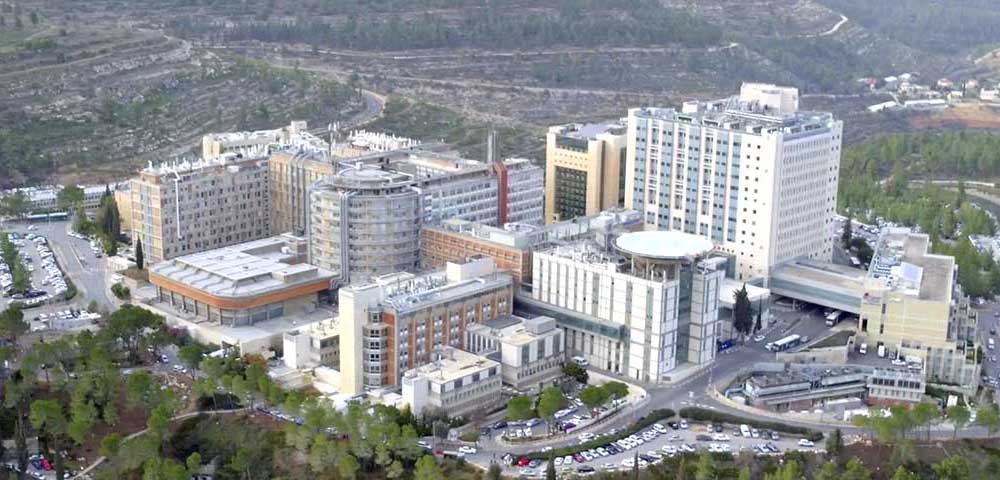
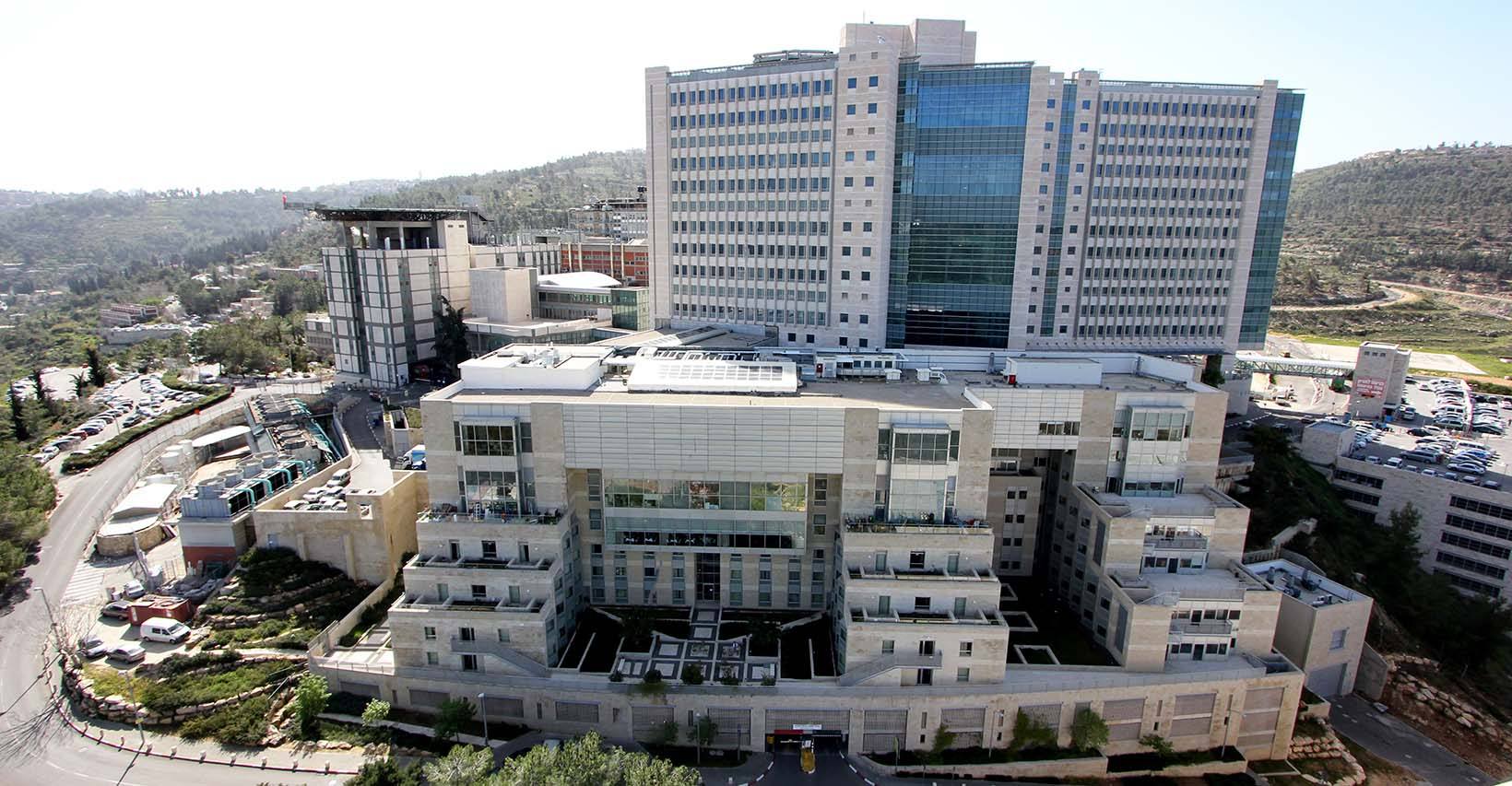
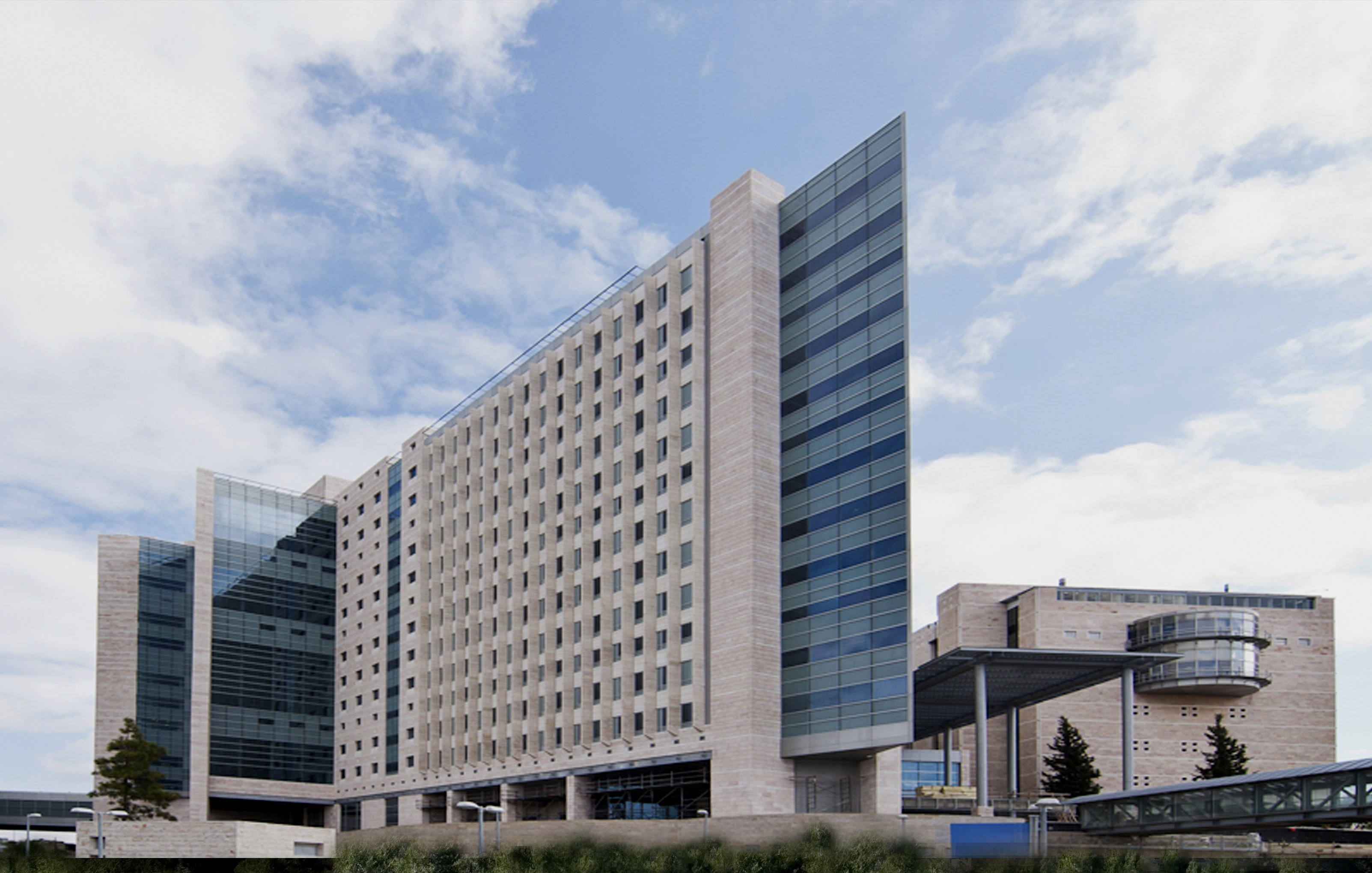
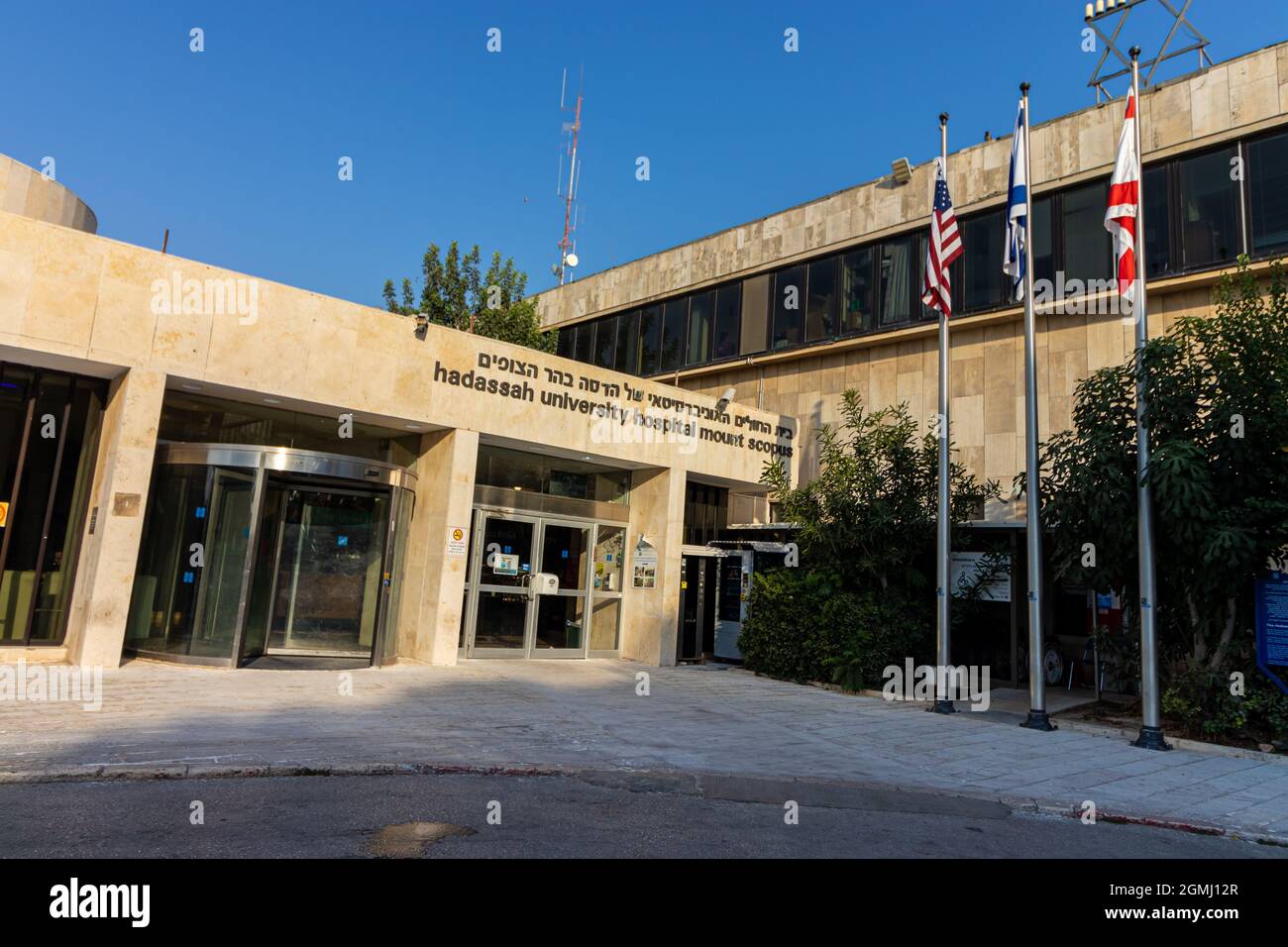
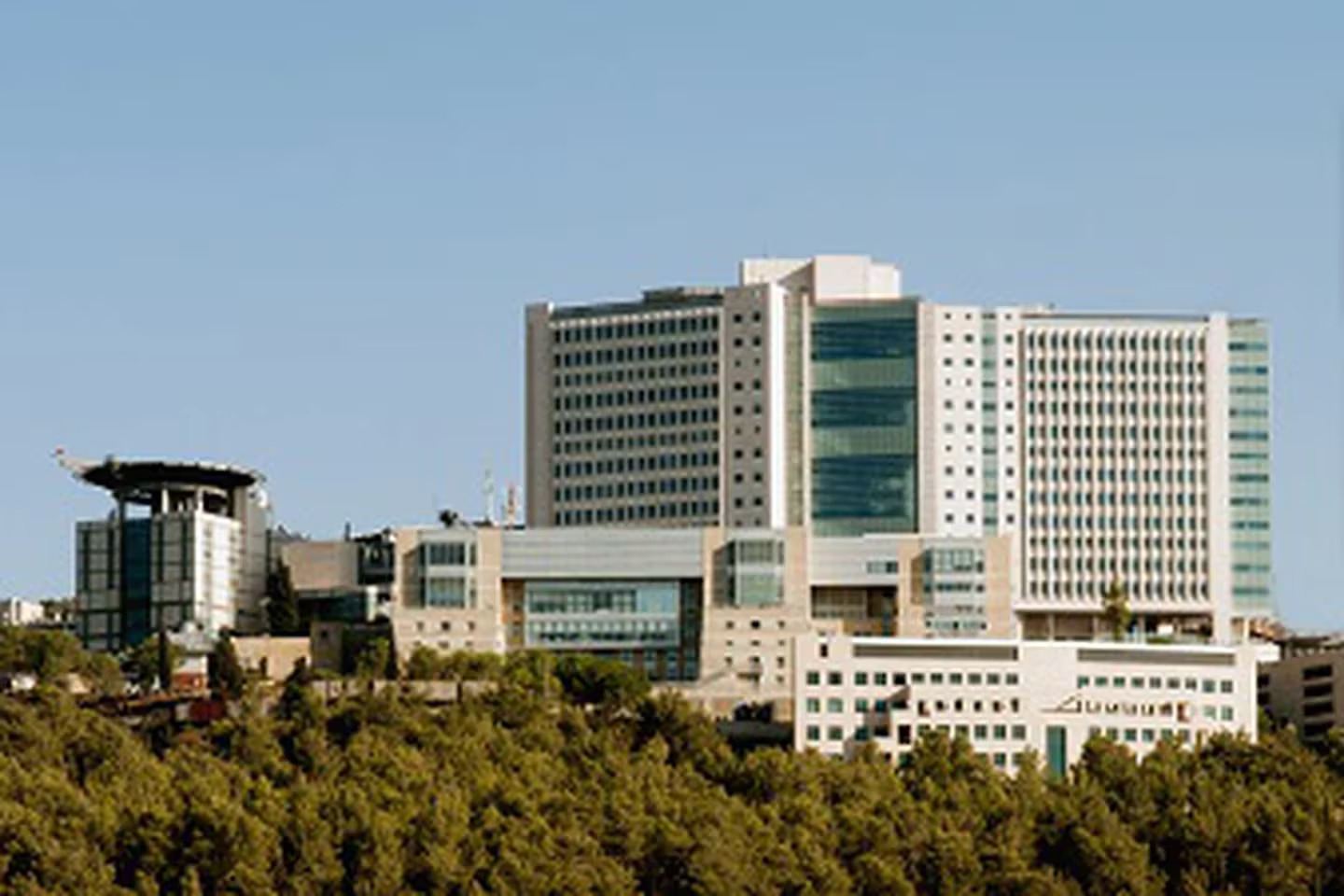
Hospital catalog photographs. Confirm current facilities with the provider.
Clinical Fact Sheet
Key facts
- Buildings
- Not publicly disclosed
- Price segment
- Not publicly disclosed
Executive Summary & Profile
Hadassah operates the Ein Kerem and Mount Scopus hospitals in Jerusalem. Its relationship with the Hebrew University connects clinical departments with medical education and laboratory research, while the Davidson Tower brings inpatient wards, surgical services and intensive care together.
Hadassah's institutional figures distinguish the Ein Kerem and Mount Scopus hospitals and explicitly identify statistics that cover both locations. Its figures for 2020 list hospital admissions, day-care activity, operations, births, outpatient visits, imaging and laboratory work as separate measures. They show an organization delivering hospital and ambulatory services, while preserving the distinction between the number of patients, the number of encounters and the number of procedures.
At Ein Kerem, the Davidson Tower is a documented part of the clinical infrastructure. The official building description identifies fourteen stories, accommodation for 500 beds, twenty operating rooms and fifty intensive-care beds. It also places the Heart Institute, internal medicine and surgical treatment divisions in the tower. One- and two-bed patient rooms and departmental step-down areas are described separately from the main intensive-care accommodation. These are tower-specific figures, not an additional hospital whose capacity should be added again to the overall Hadassah total.
The tower's support facilities include satellite radiology, imaging and supply services. Its design account describes communications infrastructure linking clinical and research work, gardens for patients and families, and a resource center. It also refers to space for individualized treatment, gene and stem-cell research and computer-guided surgery. These statements describe the purpose and organization of the building; they are not evidence that an experimental intervention is routinely available for a particular diagnosis.
The medical intensive-care service publishes its own multidisciplinary arrangements. Its information identifies specialist consultation from infectious disease, respiratory medicine, neurology, cardiology, nephrology, cardiothoracic surgery and hematology. Respiratory therapists, physiotherapists, nutrition specialists, pharmacists and social workers are also named in the account of ward rounds and support. The university setting supports rotational training for doctors in addition to patient care.
Research is managed through a dedicated Research and Development Division. The official account connects basic science, translational work, clinical studies and collaboration with the Hebrew University, with technology commercialization described through Hadasit. This provides an institutional explanation of how research activity is organized across the two hospitals.
The institution reports the following clinical and infrastructure information: outpatient care: Yes; inpatient beds: 1,413 (Ein Kerem and Mount Scopus combined, 2020.); doctors: 850 (Both hospitals; source summary has no separate workforce year.); intensive care / resuscitation: Yes. The scope and reporting period remain those of the linked institutional sources.
Hadassah’s Research and Development Division supports basic, translational and clinical research across its hospitals. Its official description identifies collaboration with the Hebrew University and other research institutions, laboratory infrastructure, clinical trials and technology commercialization through Hadasit.
Core Medical Specialties
- Cardiology
- Oncology
- Neurosurgery
Available On-Site Services
- International desk
- English staff
- Kosher meals
- Advanced imaging