Hospital Universitario Fundación Jiménez Díaz
Madrid, Spain
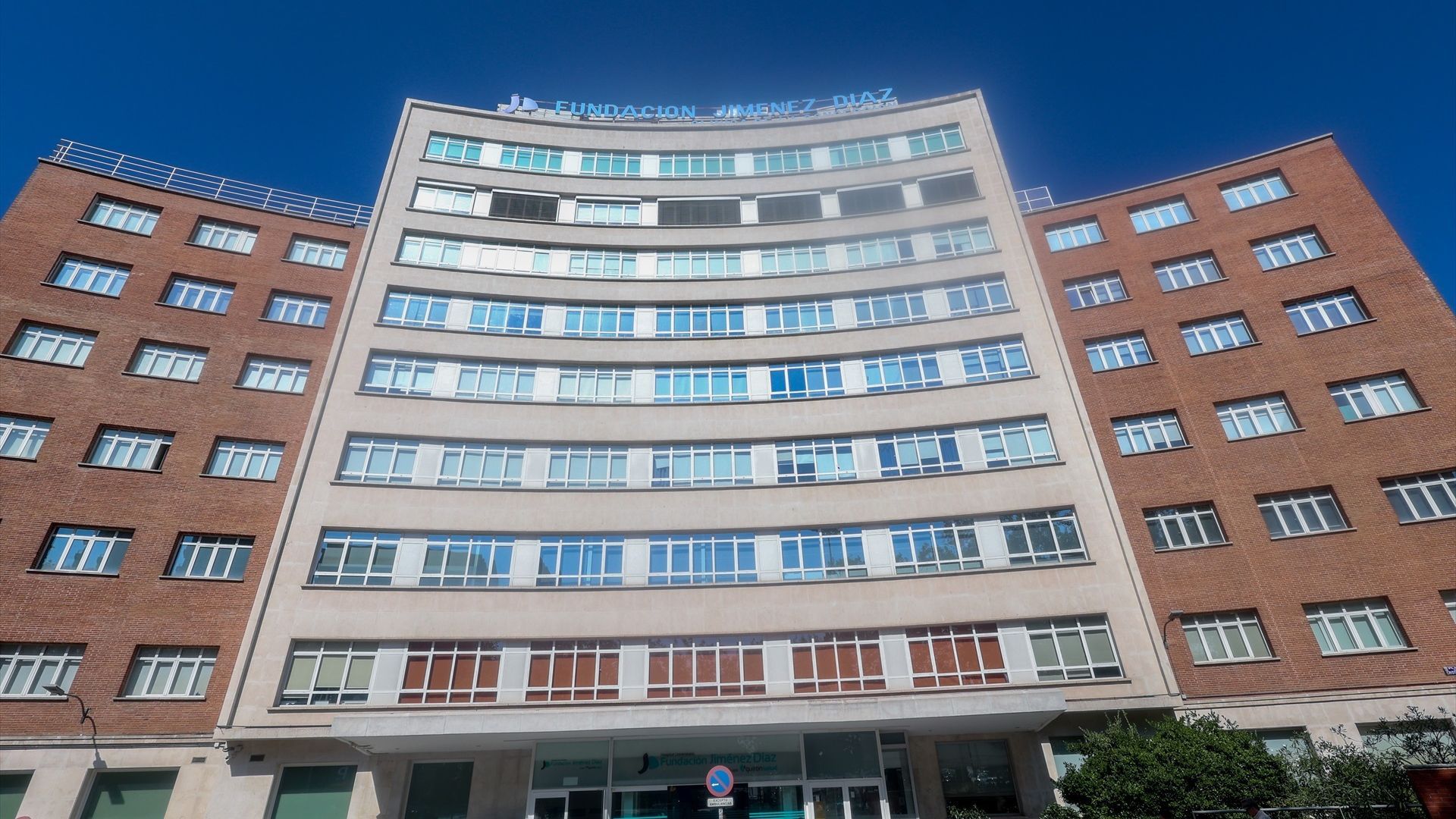
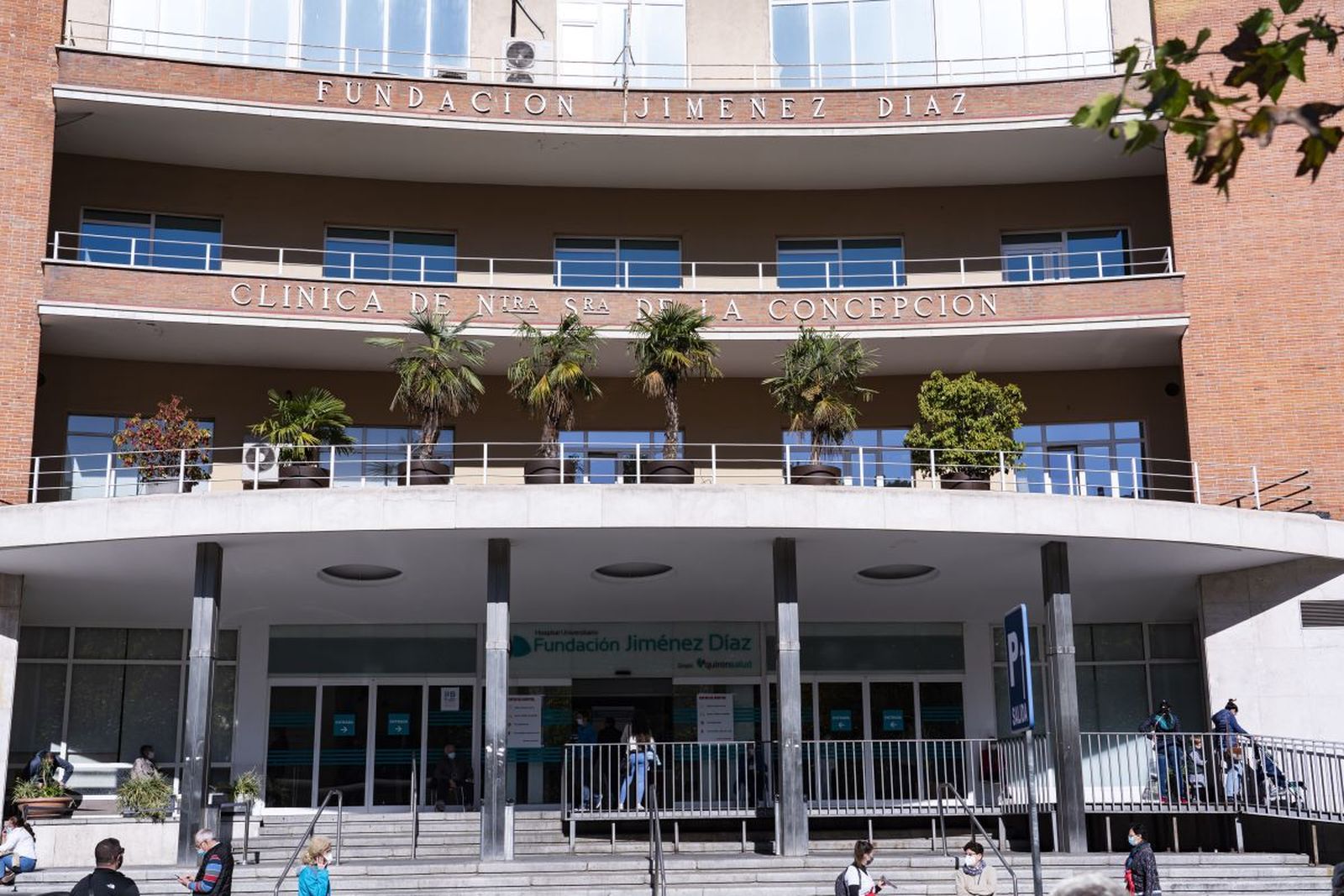
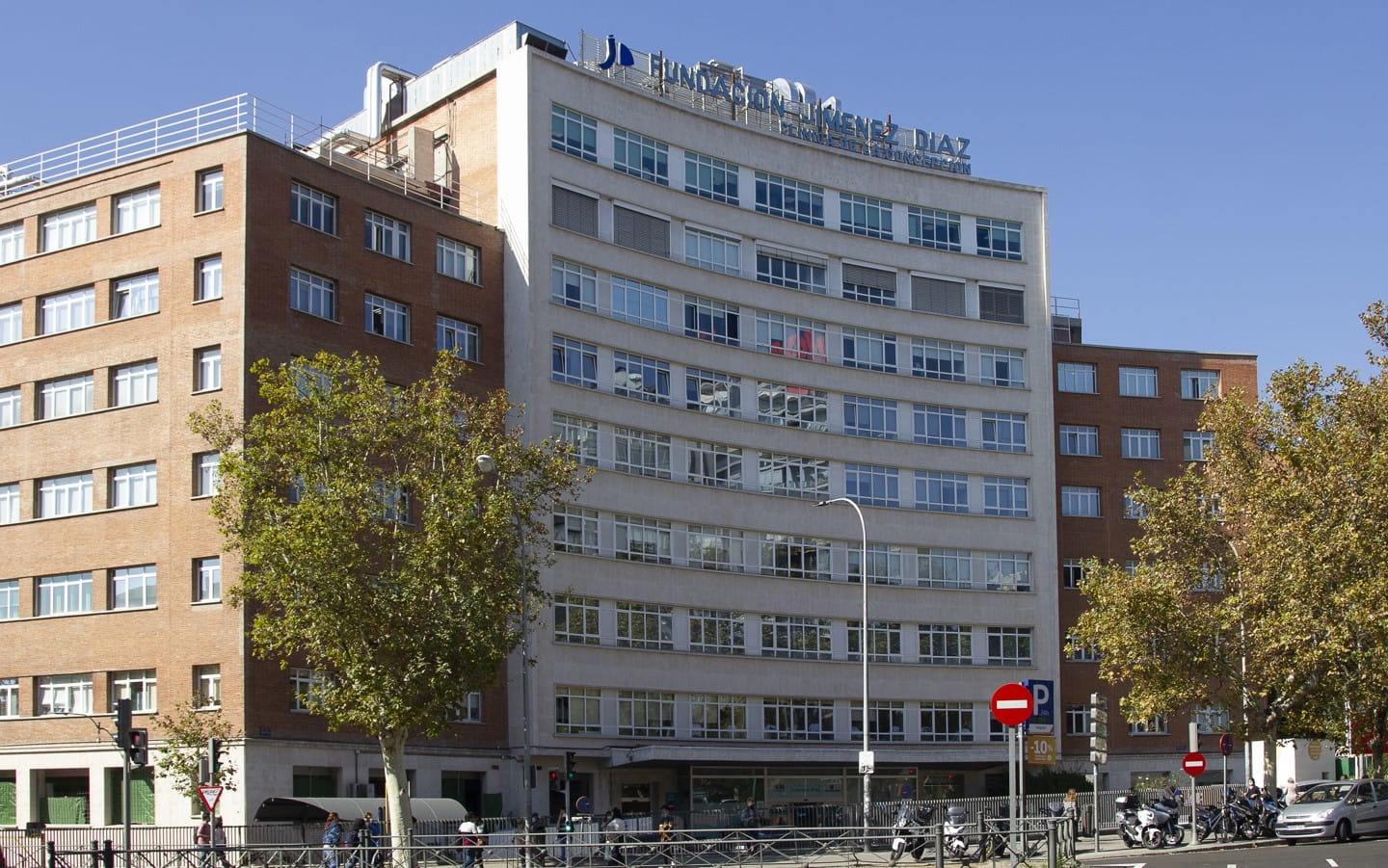
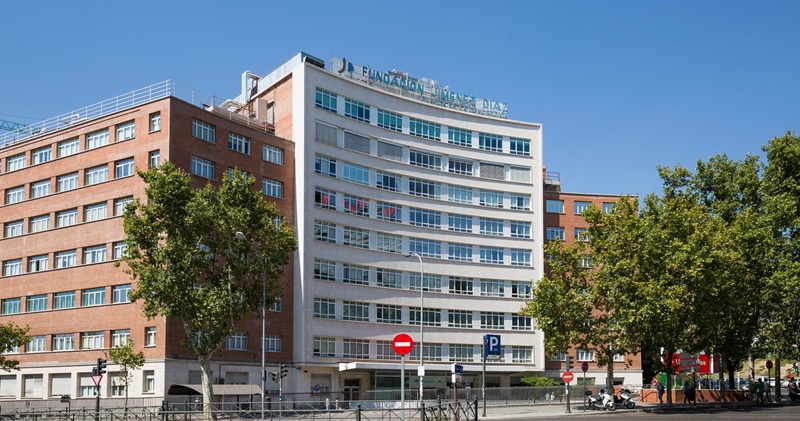
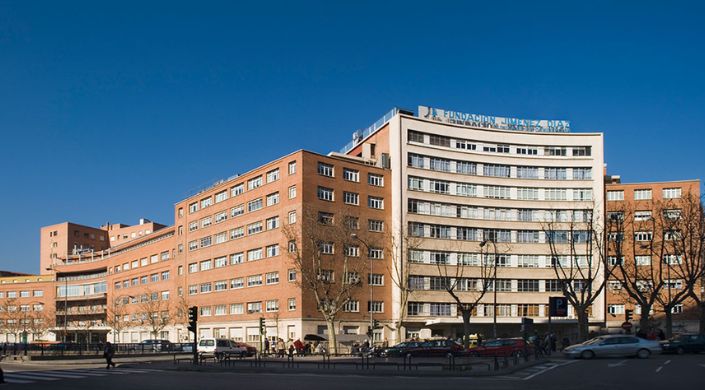
Hospital catalog photographs. Confirm current facilities with the provider.
Clinical Fact Sheet
Key facts
- Intensive care / resuscitation
- Not publicly disclosed
- Buildings
- Not publicly disclosed
- Doctors
- Not publicly disclosed
- Price segment
- Not publicly disclosed
Executive Summary & Profile
Hospital Universitario Fundación Jiménez Díaz combines university-level clinical care, teaching and research in Madrid. Its institution-specific reporting describes complex surgery and specialist services, with technologies and workforce information documented through the hospital's official communications.
Hospital Universitario Fundación Jiménez Díaz is a Madrid university hospital combining clinical care, professional education and research. Its official management structure separately identifies medical direction, nursing, research, teaching, quality, admission and continuity of care. This provides an institutional framework for its work rather than treating a list of prominent physicians as the hospital’s entire clinical organization.
The reviewed institutional communication reports 665 beds and twenty-six operating theaters. It describes hybrid operating rooms, robot-assisted systems and integrated high-field magnetic resonance technology among its surgical resources. These are specific features of the reported infrastructure, not a count of hospital buildings or a guarantee that every operation requires one of those technologies.
The hospital’s published service context includes complex surgery and medical specialties supported by diagnostic and treatment resources. Its communications identify radiotherapy equipment and focused ultrasound alongside robotic surgery. The profile reports those resources as institutional capabilities without converting a technology inventory into a comparative claim about outcomes for an individual patient.
Research is described through separate categories for clinical trials and ongoing projects. These categories are not interchangeable: a scientific project may not involve an investigational treatment, and the existence of a trial does not establish that it is currently recruiting or that a particular patient meets its criteria. The hospital’s research leadership appears explicitly within its organizational structure.
Teaching is likewise separately represented. Official material discusses the hospital’s health-professions training center and the annual incorporation of new residents. These are educational activities supporting the university-hospital role. A trainee count or a total of all professionals is not used as a physician-only workforce figure.
The institution publishes reports of professional recognition and rankings, but those are kept distinct from concrete capacity and service information. A list of doctors included in an external ranking is not treated as a complete medical headcount. The profile draws on the hospital’s own infrastructure communication and management information to connect specialist clinical care, diagnostic and surgical resources, professional education and scientific work, retaining the publication scope of its figures and leaving a building count or current doctor total undisclosed where the official sources do not clearly state it.
The institution reports the following clinical and infrastructure information: outpatient care: Yes; inpatient beds: 665 (Institutional announcement published September 2026.). The scope and reporting period remain those of the linked institutional sources.
Core Medical Specialties
- Oncology
- Cardiology
- Neurosurgery
Available On-Site Services
- University hospital
- Cancer care
- Cardiology
- Complex surgery