Clínica Universidad de Navarra Madrid
Madrid, Spain
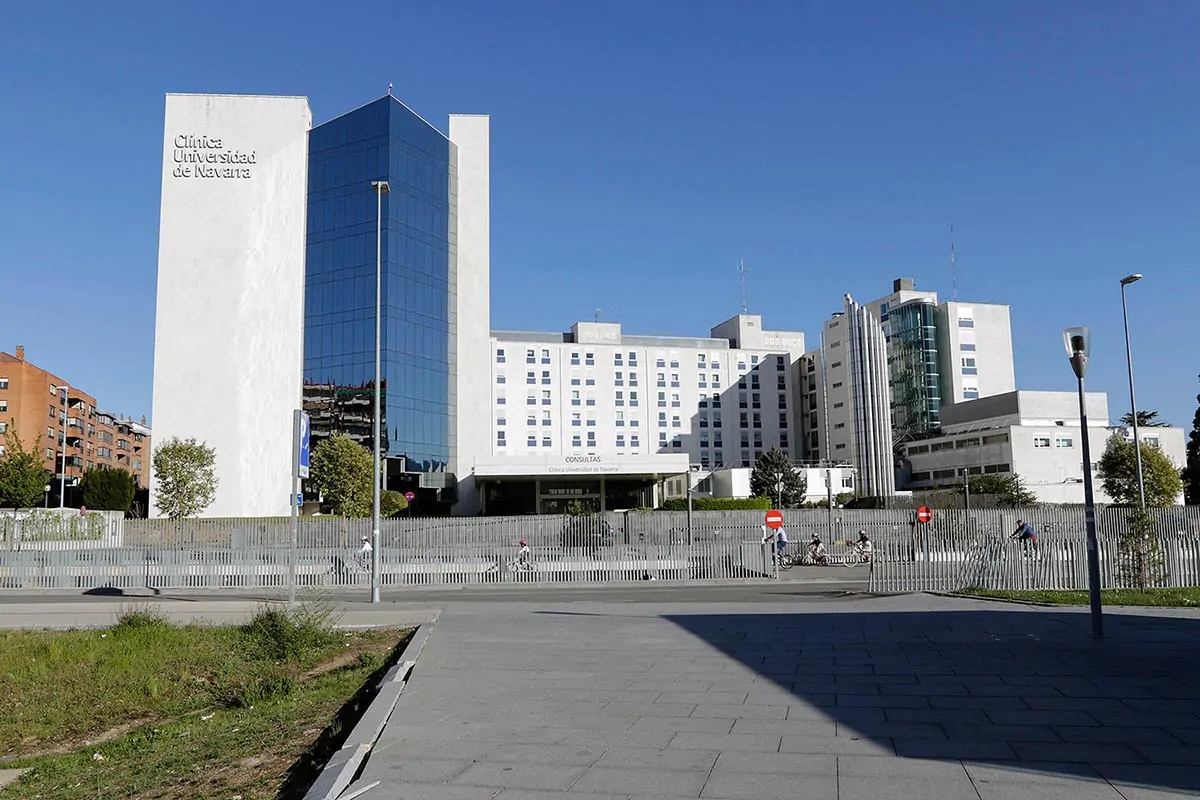
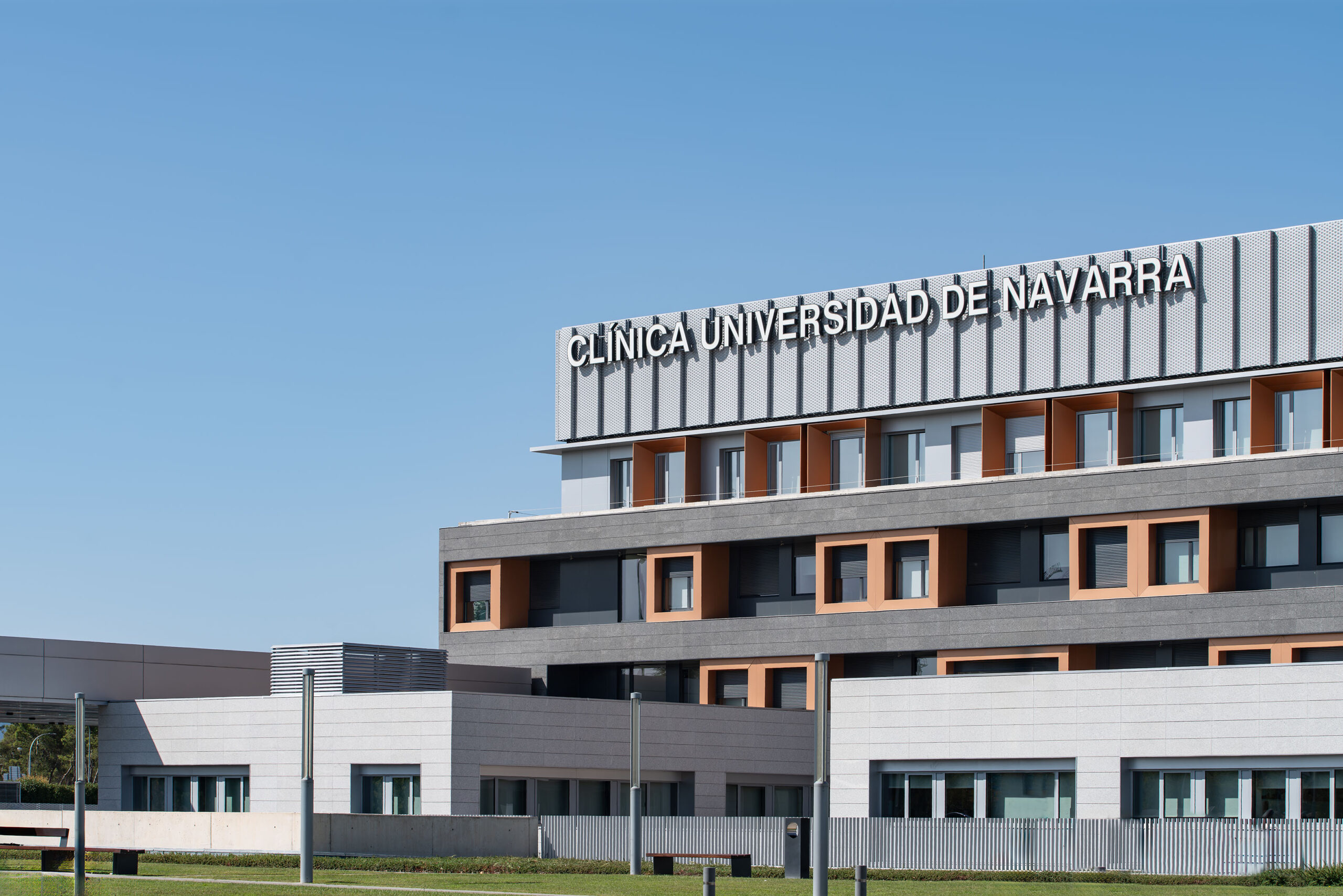
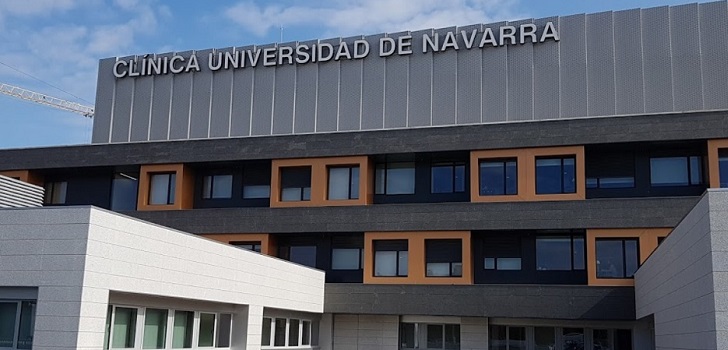
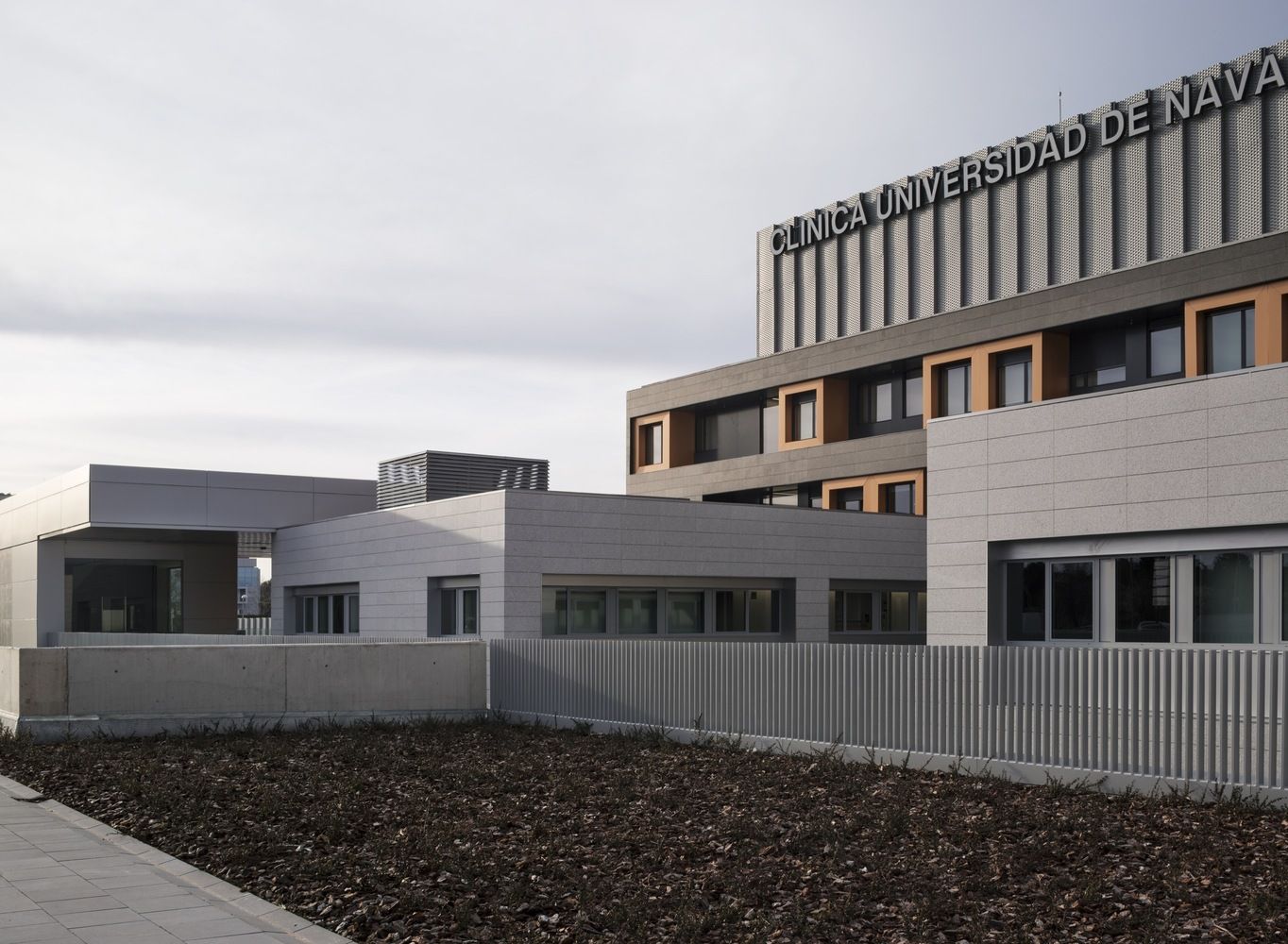
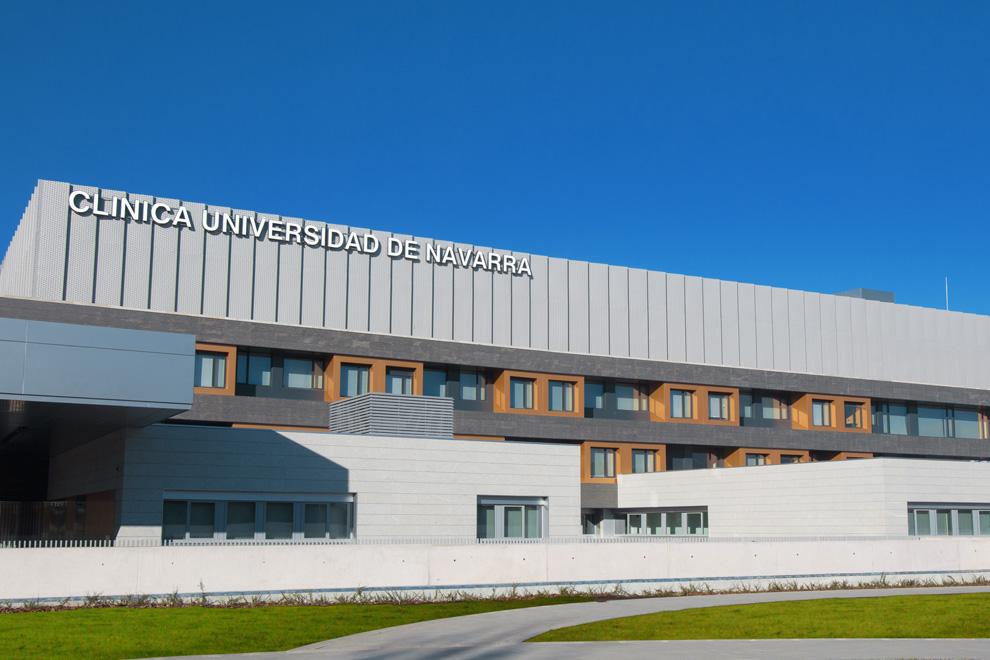
Hospital catalog photographs. Confirm current facilities with the provider.
Clinical Fact Sheet
Key facts
- Intensive care / resuscitation
- Not publicly disclosed
- Buildings
- Not publicly disclosed
- Doctors
- Not publicly disclosed
- Inpatient beds
- Not publicly disclosed
- Price segment
- Not publicly disclosed
Executive Summary & Profile
The Madrid campus of Clínica Universidad de Navarra forms part of a nonprofit university-medical institution with another campus in Pamplona. Its model connects interdisciplinary treatment with research and teaching, including oncology investigations conducted across the two locations.
Clínica Universidad de Navarra describes itself as the University of Navarra's hospital, with a common institutional model across Madrid and Pamplona. The organization was founded in 1962; that founding date belongs to the clinic as an institution and is not presented as the opening year of the Madrid campus. Its official account identifies forty-six medical and surgical specialties and an exclusively dedicated professional workforce across the two sites.
The university-clinic model is described as patient- and family-centered, with multidisciplinary teams formed from different specialties. The account of the Madrid opening explains that the campus adopted the institution's clinical, research and teaching principles. It also identifies a nonprofit management model in which surpluses are reinvested in the healthcare activity. These are organizational characteristics stated by the institution, rather than an assumption based on private ownership.
The September 2025 workforce announcement reports 4,016 professionals across the two sites, distinguishing 2,659 in Pamplona from 1,357 in Madrid. These figures cover professional staff overall. They are not a count of individual physicians at Madrid, and the older staffing figures in the campus-opening report are retained as historical information rather than used as current capacity figures.
Research activity can span both locations. One official clinical announcement describes a study using zirconium-89 imaging and PET-CT to investigate how an immunotherapy medicine is distributed in the body. The study is identified as operating in Madrid and Pamplona. Its purpose concerns imaging of drug behavior and investigation of possible response, not a guarantee that the medicine will work for a particular patient.
The institutional account connects research with teaching and transfer of professional knowledge, alongside the diagnosis and treatment of complex conditions. The Madrid profile therefore represents a specific campus of a wider university-medical institution. Staff totals, historical opening figures, medical-specialty counts and the geographic scope of a study remain attached to the source that defines them, giving a more accurate account than merging every reported number into a single hospital-capacity claim.
The institution reports the following clinical and infrastructure information: outpatient care: Yes. The scope and reporting period remain those of the linked institutional sources.
Clínica Universidad de Navarra reported a clinical study at both its Madrid and Pamplona sites using zirconium-89 imaging to examine the distribution of an immunotherapy medicine with PET/CT. The project investigates imaging as a way to assess drug behavior and potential response; the announcement describes research rather than a guaranteed clinical outcome.
Core Medical Specialties
- Oncology
- Cardiology
- Neurosurgery
Available On-Site Services
- Cancer center
- Proton therapy access
- Second opinion
- International patient office